

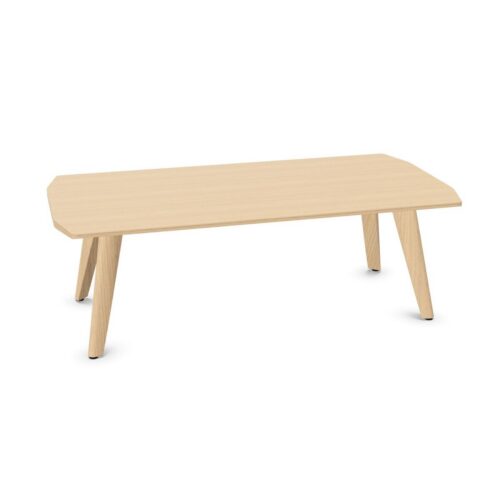
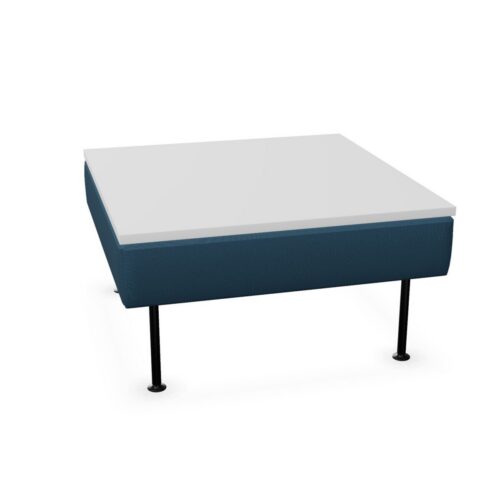
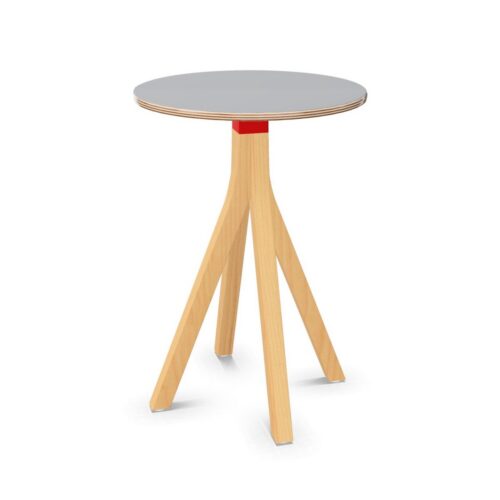
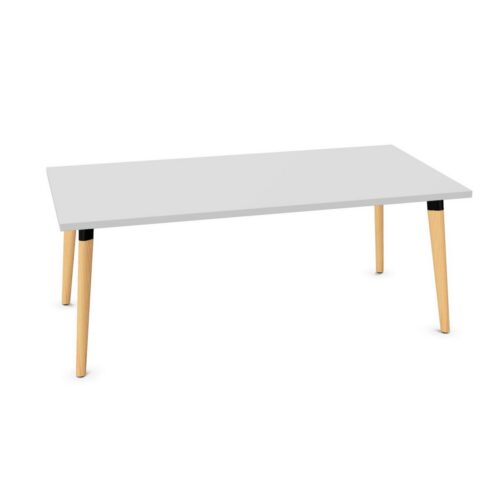
Lounge Furniture: Wood base material, Blue surface color

lounge furniture with wood bases and blue surfaces brings a defined surface color into a material-led lounge composition. Blue can repeat an established workplace color or introduce a separate reference for reception seating and shared informal areas. The wood base adds a material relationship that needs to be assessed through its actual appearance, rather than through an assumed tone.

Begin with the intended role of blue in the room. Consider whether it should connect the lounge with nearby areas or distinguish the seating group from them. Then examine how the wood appears beneath the blue surface and against the surrounding floor. The combination should be reviewed from the main approach as well as from within the lounge, because orientation affects which elements are visible. This creates a specific basis for comparison: the blue shade, the visible wood and the way the complete arrangement belongs within the workplace plan.


Positioning lounge furniture with wood bases and blue surfaces

Decide whether blue should create continuity across the interior or identify the lounge as a distinct setting. Repeating a nearby blue can connect areas visually, but the actual shades still need comparison. Introducing a separate blue requires a clear relationship with the surrounding palette. Review the color from the route people use to approach the lounge and consider how much of it is visible. The wood base belongs in this assessment even if the blue surface attracts attention first. Its appearance may connect to other visible wood or establish a separate material reference, depending on the actual furniture and the room around it.

Balance the Blue With Visible Wood

Compare the boundary between the blue surface and the base before judging the combination against the whole room. Wood does not establish a particular color or finish, so assess the actual appearance directly. For lounge furniture with wood bases and blue surfaces, consider whether the base should be a prominent part of the composition or a less noticeable detail. Check that intention from relevant viewpoints. A material relationship that is evident at close range may be less apparent across an open workplace. Give the base a role that reflects its actual visibility rather than assuming that the material will define the lounge from every position.

Align Color Visibility With Furniture Orientation

Arrange the furniture around the intended activity, then examine how the blue appears from outside the group. In reception, the seating should relate clearly to the arrival point. In an informal meeting area, the arrangement should establish the intended shared focus. These decisions may present different amounts of blue toward surrounding areas. Compare those views before finalizing the layout, especially where the lounge can be approached from more than one direction. Include the visible wood and the spaces between pieces in the review. The complete composition should explain the lounge's place within the room rather than relying on the surface color to communicate its purpose alone.

Use Consistent References for Comparison

Review the proposed blue against the same surrounding colors and under the lighting intended for the lounge. Where other blues appear in the interior, compare them together and decide whether the relationship should be close or deliberately varied. Assess the wood bases with the floor and other nearby material references in the same conditions. Record the intended color hierarchy, the visibility of the base and the main views of the arrangement. These practical reference points make project discussions more precise. They also help separate a preference for blue in general from a considered judgment about this particular combination and its role within the planned workplace interior.

Questions About Blue and Wood Lounge Schemes

Should the blue repeat an existing workplace color?

It can repeat an established color or introduce a separate reference. Compare actual shades together and decide which relationship best expresses the lounge's intended connection to the wider interior.

Does the wood need to remain highly visible?

Its visibility should match its intended design role. Review the base from the approach and within the group before making it a central part of the explanation for the scheme.

How should the final arrangement be assessed?

Review lounge furniture with wood bases and blue surfaces from the main approaches and nearby occupied areas. Compare blue visibility, actual wood appearance and the clarity of the seating composition.

Explore related selections