

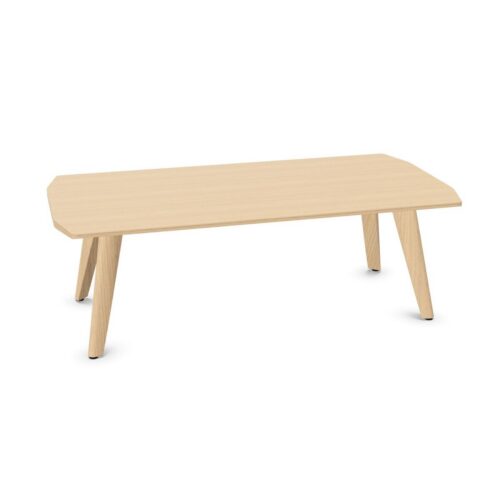
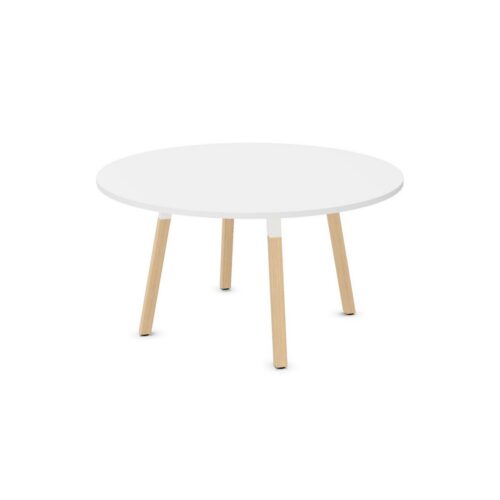

Lounge Furniture: Wood base material, Beige surface color

lounge furniture with wood bases and beige surfaces offers a precise starting point for a neutral workplace lounge, with separate decisions about surface shade and visible base appearance. Beige should be compared with the surrounding palette, while the wood needs to be assessed without assuming its tone. The relationship between them matters as much as either attribute on its own.

For reception seating or an informal shared area, begin by deciding whether the furniture should continue the room’s existing colors or establish a distinct seating composition within them. Review the beige against nearby light tones and the wood against the floor and other visible elements. Then look at the combined effect from the main approach. This process helps clarify whether the planned lounge has sufficient visual definition and a consistent material relationship, while keeping the decision grounded in the actual furniture rather than an assumed appearance associated with beige and wood.

4 models
From €31.59 p/m
2 models
From €2.71 p/m
€44.69 p/m
2 models
From €7.46 p/m
2 models
From €9.35 p/m
€35.38 p/m
2 models
From €25.77 p/m
5 models
From €21.48 p/m
2 models
From €38.54 p/m
2 models
From €7.59 p/m
2 models
From €6.15 p/m
2 models
From €5.00 p/m

Planning lounge furniture with wood bases and beige surfaces

Set a clear intention for the neutral scheme before assessing individual differences. The lounge might continue a closely related palette or introduce a separate beige tone within the room. Either approach can be coherent when its relationship to the surroundings is deliberate. Examine the actual beige beside the colors that will border it, then consider the wood base in the same composition. Do not assume that the material introduces a particular color. Establish whether its appearance links the furniture to the wider room or creates a distinct lower outline. These observations provide a practical starting point for choosing the furniture's position and orientation.

Compare Neighboring Neutrals Together

Beige can appear different when viewed beside another light neutral, so make comparisons against the intended background. Assess relative warmth and tonal depth without expecting the color name to resolve them. When reviewing lounge furniture with wood bases and beige surfaces, include any nearby wood appearance in the same exercise. Keep the surface and base decisions distinct enough to explain: the beige may need a close relationship to the wall, while the wood may be intentionally different from the floor. A clear description of those priorities makes comparison more useful than a general request for everything to coordinate, which can mean different things to different project stakeholders.

Define the Lounge Through Arrangement

A closely related palette places greater importance on the furniture composition when identifying the seating area. Review where people approach, how they recognize the entrance to the group and which direction they face once seated. For a reception setting, relate the arrangement to the arrival point. For an informal shared area, establish the intended conversational focus. Then examine how the beige surfaces and visible wood sit within that structure. The aim is an understandable spatial relationship, with a clear distinction between the lounge and adjoining routes. Use views from neighboring areas to check whether the composition remains legible beyond the close view of individual furniture elements.

Document the Relationships That Matter

Before completing the selection, record the few visual relationships that define the scheme. These may include the beige beside the background, the wood against the floor and the appearance of the whole group from the entrance. Assess them under the lighting planned for the lounge. If the room receives daylight, include the conditions in which it will normally be occupied. Use the same reference points for everyone reviewing the project. This keeps discussion focused on the actual combination and helps distinguish a meaningful difference from a minor variation that does not affect the intended composition. It also gives the wider interior team a clear basis for coordinating adjacent elements.

Questions About Beige Surfaces and Wood Bases

Does beige require a matching wood tone?

No particular wood tone follows from beige. Compare the actual base and surface together, then decide whether a close relationship or a deliberate difference best supports the wider interior palette.

How can a neutral lounge have a clear boundary?

Use placement and orientation to define the group and its approach. Assess the furniture against its background so that the intended boundary does not depend on the beige surface color alone.

What should reviewers see together?

Review lounge furniture with wood bases and beige surfaces alongside the intended background and floor. Compare the surface shade, visible wood and complete seating composition under the same lighting.

Explore related selections