

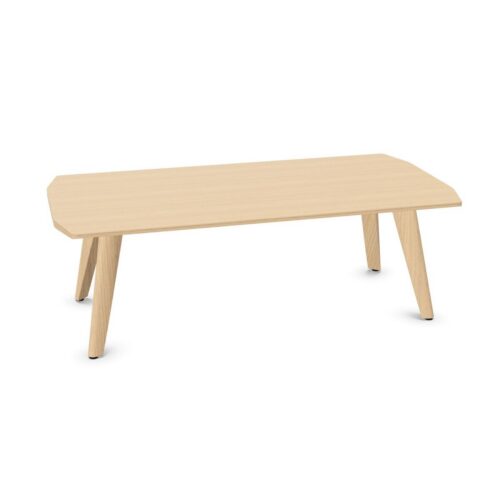
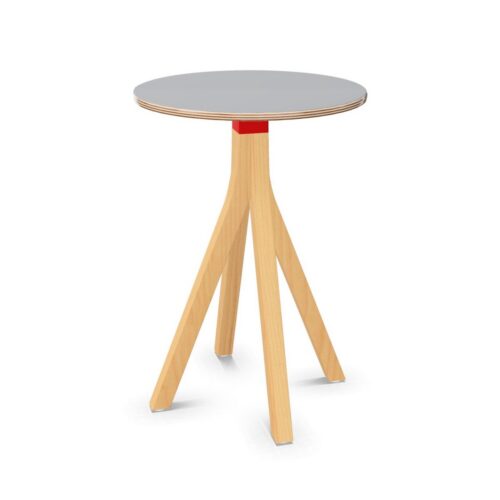
Lounge Furniture: Wood base material, Green surface color

lounge furniture with wood bases and green surfaces brings a defined color choice together with a wood foundation for reception areas, shared lounges, and informal meeting spaces. The planning question is how those two elements relate to the room. Green surfaces can carry the main color emphasis, while the visible wood base creates a separate point of comparison with surrounding finishes. Assess both from the entrance and from nearby seating positions before deciding how prominently the furniture should feature.

Start with the elements already established in the space: floor color, wall treatment, lighting, and adjacent furniture. Consider whether the green should repeat an existing color or introduce a deliberate difference. Then examine how much of the wood base remains visible in the intended arrangement. A coherent result depends on the relationship between the surface color, the base, and the setting around them.


Planning Lounge Furniture With Wood Bases and Green Surfaces

Begin with the role of the lounge within the workplace. A waiting area beside an entrance has a different visual relationship with its surroundings than a seating group inside a larger shared room. Decide whether the green should identify the lounge immediately or become apparent only as people approach.

Map the main approach routes before arranging individual pieces. Keep the relationship between the green surfaces and wood bases visible from the most relevant viewpoints. If other furniture obscures the bases, assess whether the remaining color composition still expresses the intended scheme.

Compare Green Against the Existing Palette

When comparing lounge furniture with wood bases and green surfaces, place the green alongside the room's established colors. Its relationship with a pale wall may differ from its relationship with a darker floor. Consider these combinations together rather than approving the furniture color against an isolated sample.

Review the appearance under the lighting used during normal working hours. Give particular attention to areas where daylight and interior lighting overlap. Record the intended relationship in plain terms, such as a close tonal connection or a distinct contrast, so different project participants assess the same objective.

Give the Wood Base a Clear Visual Role

The selected base material is wood, but that alone does not establish its tone, appearance, or outline. Examine those details independently. A base that closely relates to existing finishes creates a different composition from one that introduces a noticeable change beneath the green surface.

Consider the base from standing and seated viewpoints. Its visibility may change when furniture is grouped or viewed across the room. Use that observation to decide whether the wood should act as a repeated visual detail throughout the lounge or remain a less prominent part of the overall arrangement.

Distribute the Combination Across the Room

Lounge furniture with wood bases and green surfaces can establish a consistent identity across separate seating groups. Decide where that repetition serves a purpose. It may help connect a waiting area with an adjacent informal meeting setting, provided the room layout still makes their different roles clear.

Review the composition from outside each group as well as from within it. Avoid concentrating every strong color relationship along a single sightline unless that is intentional. Leave enough visual separation for each grouping to remain legible, and check that the furniture arrangement respects established circulation routes.

Frequently Asked Questions

Should the green match nearby wall colors?

An exact match is one approach, but a deliberate tonal difference can also work. Compare the colors together under the room's lighting and decide whether the lounge should blend with its surroundings or have a more distinct identity.

How should existing wood finishes influence selection?

Compare their visible tones with the proposed bases. Establish whether the relationship should be close or contrasting, and apply that decision consistently across the seating group. The word wood alone does not establish a visual match.

Where should the combination be assessed?

Assess lounge furniture with wood bases and green surfaces from the entrance, the main circulation route, and nearby seating positions. These viewpoints reveal whether the green emphasis and visible base details remain balanced in the intended setting.

Explore related selections