


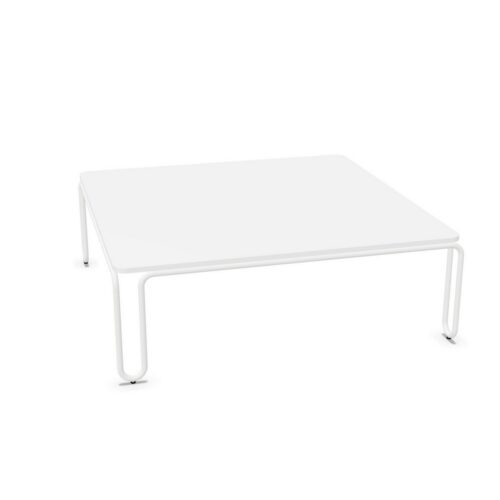






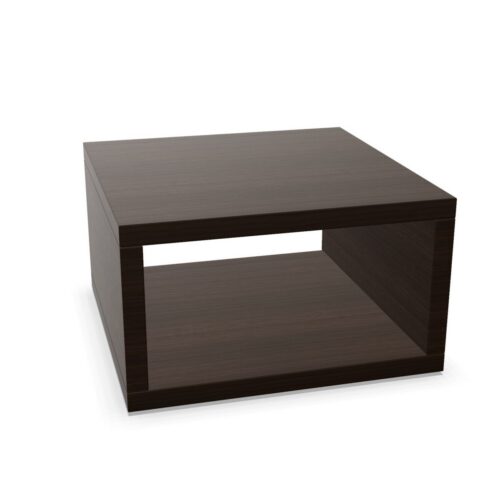
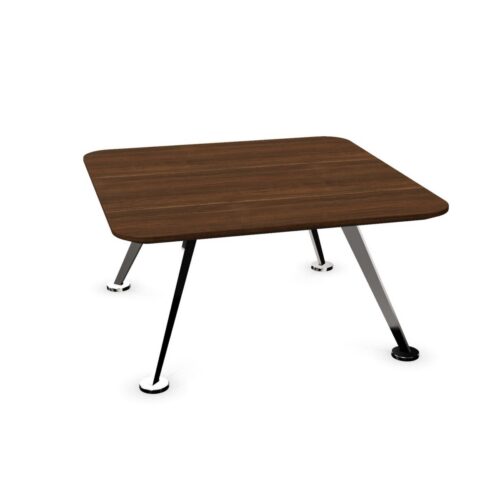


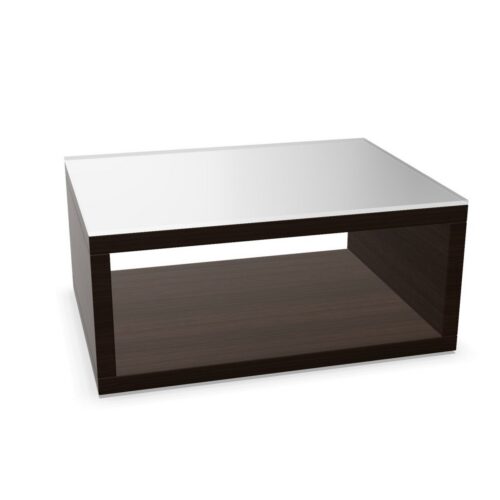


Planning lounge furniture with rectangular tops and brown bases
Begin with the main seating line. A rectangular top introduces a clear long direction, so its orientation affects how the whole group reads. Following the sofa line can emphasize a shared central area; turning the table can give the arrangement a different focus. Sketch both positions before settling on one. Include the approach from the entrance, routes around the seats, and the space people use when standing. The brown base belongs in this assessment because it remains visible beneath the top and contributes to the visual relationship between the table, seating, and floor.
Use brown as a color reference
Brown bases can participate in a neutral scheme or provide a visible distinction within a lighter setting. The useful question is how the particular brown relates to the room. Compare it with the floor first, then with nearby seating and architectural finishes. Similar colors may connect these elements visually, while a clearer difference can make the base easier to distinguish. Neither result is automatically preferable. Decide whether the table should merge into the seating composition or remain individually noticeable. Brown identifies a color here; it does not establish the base material, texture, or surface treatment.
