

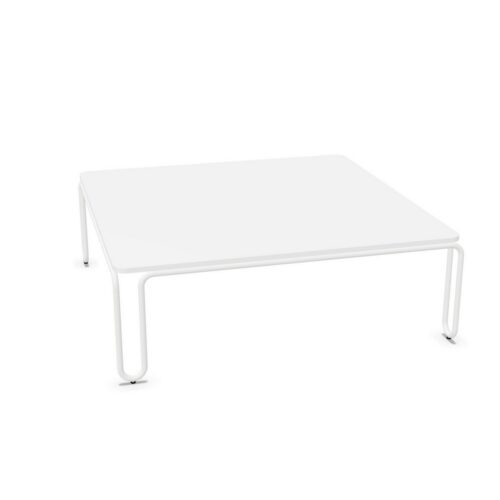
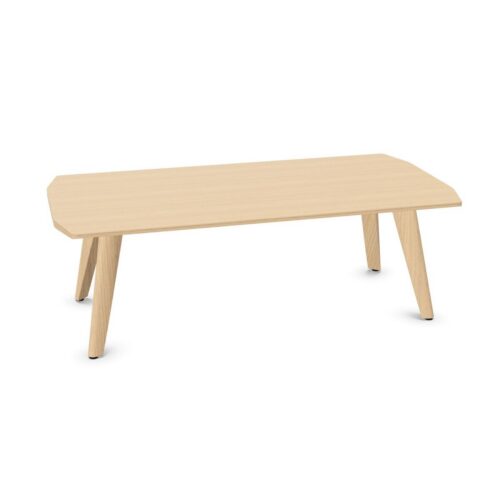
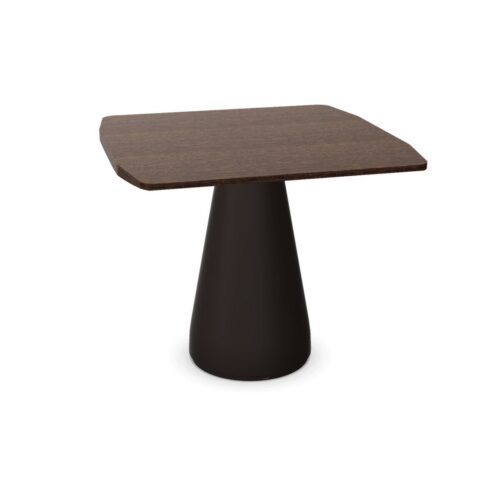
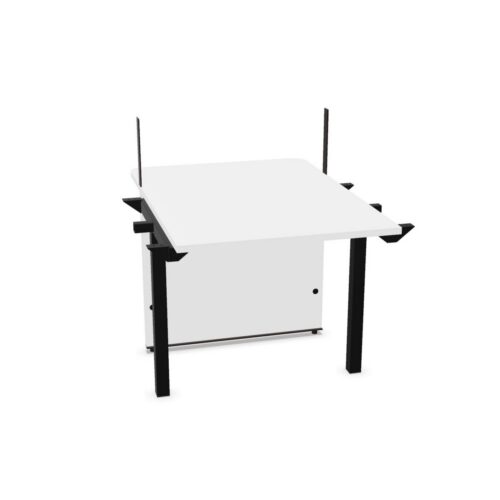
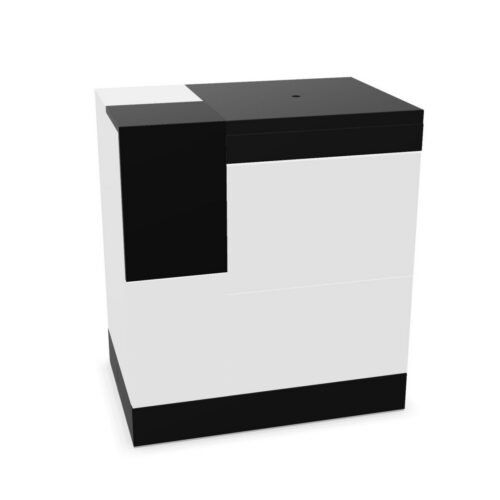

Lounge Furniture With Rectangular Tops and Black Bases

lounge furniture with rectangular tops and black bases gives lounge table layouts a straight-sided outline and a defined lower color. The rectangular top can establish a clear alignment with nearby seating, while the black base needs its own assessment against the floor and adjacent furniture. Plan these relationships together so the table’s position follows the intended use of the seating group.

Begin with the top’s orientation and the seats it should serve. Review the long sides, ends and corners within the actual arrangement, especially where people enter or pass the group. Then examine the base position rather than assuming it follows the top’s perimeter. In a reception lounge or informal meeting area, this complete view helps compare the selected shape and color as part of a practical room plan. Consider how the table surfaces will face the seating and leave practical routes between the different furniture groups.

18 models
From €27.49 p/m
€19.45 p/m
4 models
From €6.14 p/m
3 models
From €2.38 p/m
€44.69 p/m
2 models
From €25.77 p/m
2 models
From €11.99 p/m
4 models
From €35.51 p/m
2 models
From €30.05 p/m
3 models
From €18.78 p/m
5 models
From €45.63 p/m
4 models
From €19.95 p/m
2 models
From €41.76 p/m
4 models
From €23.58 p/m
2 models
From €27.04 p/m

Aligning lounge furniture with rectangular tops and black bases

Choose a clear reference for the rectangular top's orientation. The main seating line is often a useful starting point, but the intended relationship with other seats also matters. Compare the table along and across that line before deciding which arrangement best fits the group.

Assess the ends as carefully as the long sides. A table can appear well aligned from the entrance while relating less clearly to seats at another side. Review the complete rectangle within the plan, then include the base position so that the comparison accounts for both the visible outline and the space below it.

Plan explicitly around the corners

Mark where each corner sits in relation to the approaches into the seating area. Check the routes people will use to join the group, move around it and leave. The rectangular outline provides clear reference points, but their position still needs to work within the overall arrangement.

Do not assess circulation from the top alone. The black base may occupy a different area below it, and its actual position belongs in the same review. If the table is moved to improve an approach, check the opposite side again. A useful adjustment in one place can change another relationship within the group.

Connect the base color to the room

With lounge furniture with rectangular tops and black bases, black can provide a repeated color reference beneath the top. Compare it with the floor first, then with nearby furniture. Decide whether the base should stand apart clearly or sit closer to its background in the overall composition.

Review the base from ordinary viewing positions, including the room entrance and the seating area itself. Its visibility can change across these views. If black appears elsewhere, consider whether the repetition connects the furniture intentionally. A color match is most useful when it supports the room's design, rather than becoming the sole reason for selecting the combination.

Build consistency without copying every arrangement

For a workplace with several lounge areas, establish which rectangular relationships should repeat. This could be alignment with the principal seating line or a consistent approach to positioning the table within each group. Apply that principle according to the conditions of each space.

Review how the straight sides relate to nearby furniture and the room's wider layout. A clear alignment can organize the composition, but it should still serve the intended seating positions. Keep shared routes understandable and assess each group from its own approaches. The rectangular shape and black base can connect the areas visually while placement responds to their different uses.

Frequently asked questions

Should the long side always face the main seating?

Compare that arrangement first when it reflects the intended use, then review the other seating positions. The right orientation follows the whole group and its surrounding routes rather than a universal placement rule.

Why check the base separately from the rectangular top?

The top outline does not establish the base's position or the area it occupies. Reviewing both provides a more complete basis for assessing the relationship with seating and circulation.

How can this pairing remain consistent across different rooms?

Use lounge furniture with rectangular tops and black bases as a shared shape and color reference. Keep a clear alignment principle, then adapt each table's position to the seating arrangement and approaches within its room.

Explore related selections