

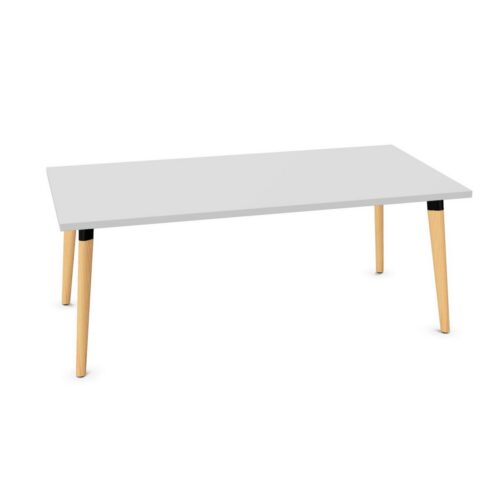
Lounge Furniture With Rectangular Tops and Blue Bases

Lounge furniture with rectangular tops and blue bases pairs a clearly defined tabletop geometry with a colored element beneath it. The combination gives planners a direct way to relate lounge tables to linear seating, wall lines and organized reception layouts. A rectangular top introduces parallel sides and visible corners, while the blue base can provide a separate visual reference within the group. Both attributes should be considered from the positions where people approach and use the seating.

The central question for lounge furniture with rectangular tops and blue bases is how much alignment the room needs. Following the main seating line can establish order, but nearby routes may call for a different position. Assess those relationships before coordinating the blue with other room colors. A well considered scheme gives the shape a clear placement and the base color a clear purpose, without depending on repeated blue accents throughout the entire workplace.

€19.45 p/m
2 models
From €1.68 p/m
2 models
From €11.30 p/m
7 models
From €17.65 p/m
12 models
From €12.07 p/m
2 models
From €11.99 p/m
2 models
From €3.38 p/m
€8.51 p/m
€13.96 p/m
€14.94 p/m
€17.83 p/m
€10.19 p/m

Aligning lounge furniture with rectangular tops and blue bases

Choose a primary reference for the rectangular top: the main sofa, a facing seating line or the architecture around the lounge. Trying to follow several competing directions can leave the group looking unresolved. Once the reference is chosen, review the relationship to the remaining seats. Parallel placement may look orderly, but it still needs to support access around the group. Check the corners beside approaching routes and seated positions. The rectangle provides a clear outline for planning; the suitability of its placement comes from its relationship to the complete room arrangement.

Assess access at the corners

The corners deserve a separate review because they define where the tabletop changes direction. With lounge furniture with rectangular tops and blue bases, assess those points from the route into the seating area and from each place where someone stands up. Avoid assuming that an apparently open passage remains equally clear when seats are occupied. Review the arrangement in use, including any nearby doorway movement. If the layout feels constrained, reconsider the relationship between table and seating before adding other furnishings. The aim is an understandable route through the lounge, with the rectangular outline deliberately located within it.

Use blue to connect selected parts of the room

A blue base can establish a color relationship between the lounge and another visible area, such as the reception backdrop or an adjacent seating zone. Decide whether that connection is intentional. If it is, assess the actual colors together under the relevant lighting rather than assuming that the shared name creates a match. If the blue is intended as an independent accent, compare it with the immediate floor and seating background. Its appearance will depend partly on those surroundings. Coordinate from the complete view, including the amount of base that remains visible beneath the tabletop.

Keep repeated layouts coherent

Where a workplace has several lounge areas, lounge furniture with rectangular tops and blue bases can be assessed through a consistent planning method. Use the same questions about alignment, corner placement and base visibility in each location. Consistency does not require identical orientations: a doorway or change in seating direction may justify a different arrangement. Establish which aspect should connect the areas, whether that is the rectangular geometry, the blue accent or their combined appearance. Then review each setting on its own terms so that repetition supports the building plan instead of overriding local access needs.

Questions about rectangular tops and blue bases

Should the tabletop always follow a wall?

No. The main seating line may be the more useful reference. Compare the wall direction with the position of the seats and surrounding routes, then choose the alignment that gives the lounge a clear internal arrangement and understandable access.

What should be checked around the rectangular corners?

Review approaches to the seats, movement when people stand and nearby doorway activity. Consider these situations together. A corner that appears unobtrusive in an empty room may sit directly within a route once the lounge is being used.

How can blue bases connect separate lounge areas?

When planning lounge furniture with rectangular tops and blue bases, compare the visible blue across the relevant spaces. Assess lighting, surrounding colors and sightlines. Treat the color as a deliberate connection while allowing each tabletop arrangement to respond to its own seating layout.

Explore related selections