

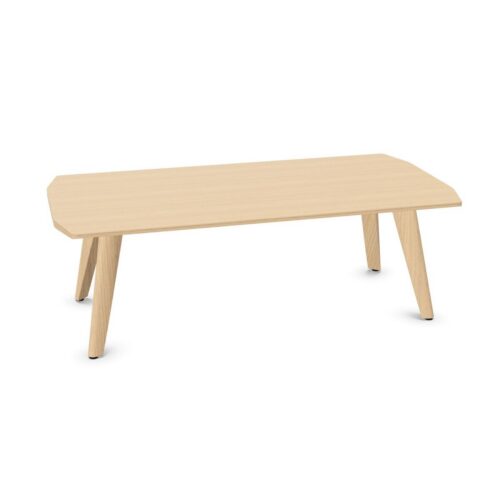
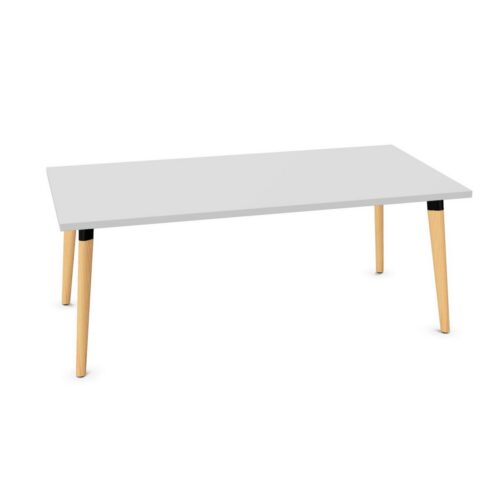
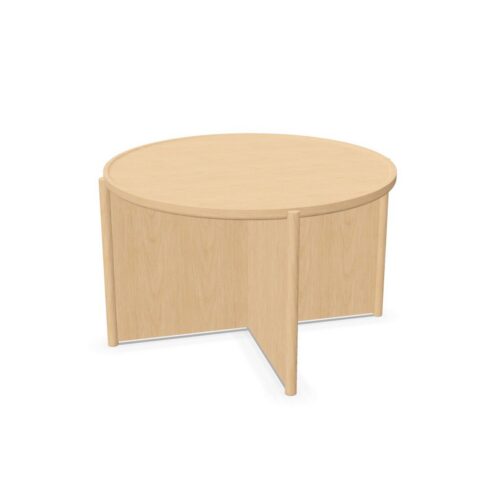
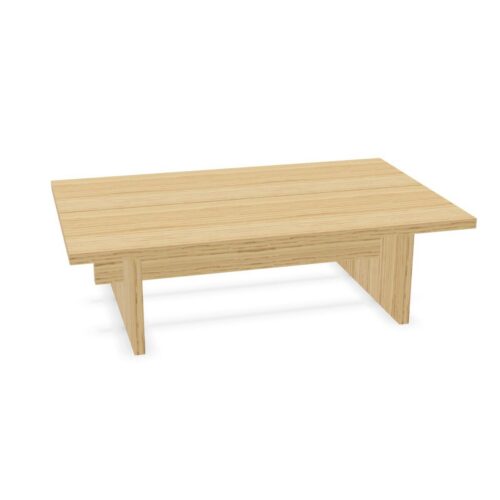
Lounge Furniture: Rectangular table top shape, Wood base material

Lounge furniture with rectangular tops and wood bases provides a clear starting point for seating areas organized around straight lines. The rectangular top can relate directly to a sofa frontage, while the wood base defines the supporting material beneath it. Together, these attributes invite a considered approach to alignment: the surface should belong to the seating group, and the base should be assessed from the positions where people will encounter it.

For reception lounges, informal meeting areas, and shared waiting spaces, begin with the relationship between the table and the principal seats. A rectangular outline makes orientation especially noticeable. Its long edges, short ends, and corners each affect how the arrangement reads. Compare those relationships before considering decorative details. Keep the top material and the base’s particular form open until confirmed, since neither follows automatically from the selected shape and base material.

€44.69 p/m
2 models
From €25.77 p/m
2 models
From €6.15 p/m
2 models
From €5.00 p/m
3 models
From €5.13 p/m
2 models
From €124.26 p/m
€23.11 p/m
€24.50 p/m
12 models
From €12.07 p/m
5 models
From €22.26 p/m
€5.99 p/m
€22.24 p/m
4 models
From €19.64 p/m
2 models
From €16.34 p/m
2 models
From €58.86 p/m

Establish the Main Alignment First

A rectangular top creates an obvious direction. Decide whether that direction should follow a sofa, connect two seating positions, or sit across the principal view into the lounge. Use the seating group as the first reference, then check the relationship with nearby walls. Aligning every table with the building can leave it disconnected from chairs arranged at an angle.

Look at the arrangement from both ends. A table that appears centered from the entrance may sit awkwardly relative to the people using it. Resolve that relationship before introducing additional tables or accessories into the same group.

Assess Lounge Furniture With Rectangular Tops and Wood Bases

Read the top and base as two connected decisions. The rectangle establishes the perimeter, while the wood base establishes one material within the composition. Neither attribute confirms the base layout, the appearance of its finish, or the material of the top. Those details need their own review before the piece can be coordinated confidently with its surroundings.

For lounge furniture with rectangular tops and wood bases, examine how the support sits beneath the corners and edges. Its placement matters visually from open sides of the seating group and practically when deciding where individual seats should be positioned.

Give Corners a Deliberate Place

Map the routes people take when entering, leaving, or passing the seating area. Pay particular attention where a table corner meets the opening between chairs. The relevant question is whether that corner belongs within the seated group or projects into a route used by other people. Consider the entire furniture arrangement rather than the tabletop alone.

A rectangular outline can also help organize a group that feels visually scattered. Compare the long edge with the sofa frontage and the short ends with neighboring chairs. Use those relationships to establish order without assuming that every item must share an identical alignment.

Balance the Base With the Room

The visible wood base may relate to other wood elements, but shared material names do not guarantee a matching appearance. Compare the actual finishes and the amount of each element visible in the room. A support seen from several approaches has a different presence from one mostly hidden behind the seating.

When reviewing lounge furniture with rectangular tops and wood bases, keep decorative coordination secondary to placement. First establish the table's relationship with seats and routes. Then consider whether the base contributes appropriately to the room's material composition, without assigning unconfirmed qualities to its construction.

Frequently Asked Questions

Should the long edge always follow the sofa?

That is a useful starting arrangement, but it is not a fixed rule. Compare access from the main seats and the routes at either end. An alternative orientation may suit a group whose chairs face several directions.

How should the table corners relate to walkways?

Place them deliberately within the seating arrangement and review nearby entrances to the group. Check the route people actually take, including when someone is already seated, rather than judging only from an empty room plan.

What material details need separate confirmation?

Lounge furniture with rectangular tops and wood bases does not establish the top material, wood species, finish, or supporting configuration. Confirm those details separately before coordinating the table with existing furniture or describing its material relationships.

Explore related selections