

Lounge Furniture With Rectangular Tops and Blue Surfaces

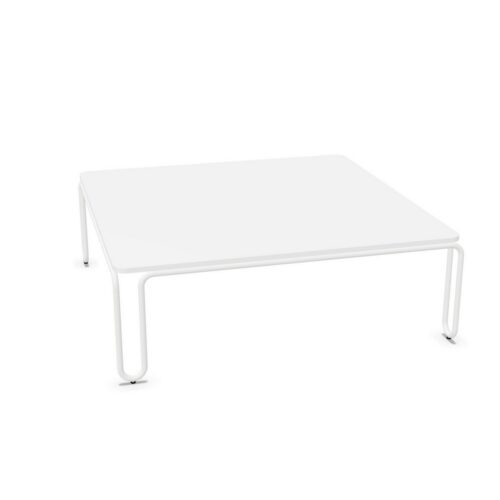
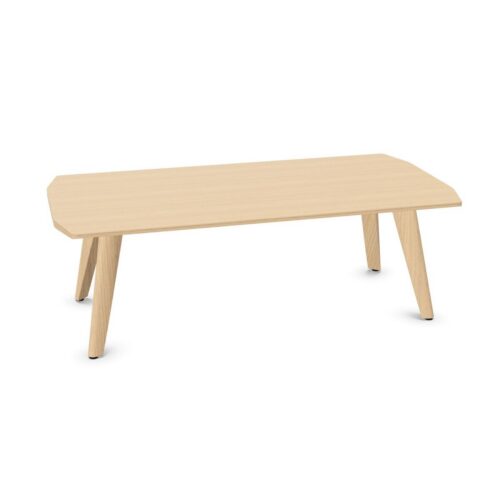
lounge furniture with rectangular tops and blue surfaces combines a directional tabletop shape with a clearly defined surface color. This pairing is relevant when a lounge is organized around straight seating lines and the table is expected to play a visible part in the room’s color scheme. The rectangle establishes edges and ends that must relate to the seating. Blue adds a decision about where color is concentrated within the wider interior.

Begin with the table’s intended relationship to the people using it. Compare alignment with the main seating line, access from the ends, and the route into the group. Then assess the blue surface from the same viewpoints. Keeping the layout and palette connected helps establish whether the combination supports the planned lounge, particularly where the seating area remains visible from reception or neighboring work settings throughout the room.

10 models
From €16.65 p/m
€19.45 p/m
2 models
From €25.77 p/m
3 models
From €9.37 p/m
2 models
From €1.68 p/m
3 models
From €9.37 p/m
€23.45 p/m

Aligning Lounge Furniture With Rectangular Tops and Blue Surfaces

Use the main seating line as the first reference for the rectangular top, then check whether that alignment serves the complete group. A long edge beside a sofa may establish a clear direction, while seats at the ends require their own assessment. Decide which positions are intended to share the surface and place it accordingly. Review the rectangle within the room's other visible lines, but keep the seating relationships primary. An orderly composition is most useful when the table's purpose within the lounge is equally clear to those reviewing the plan.

Use Blue to Define a Visual Relationship

Consider whether the blue surface should relate closely to nearby colors or form a distinct part of the interior. Its position matters as much as the tone itself. A table visible from adjoining areas introduces blue into those views, so include them in the comparison. Place the proposed color beside the relevant upholstery and fixed interior references under the intended lighting. Establish the desired relationship before considering alternatives. The blue designation identifies color; it does not establish surface material, texture, sheen, or how the complete furniture piece is constructed.

Review Corners Along the Approach

The placement of lounge furniture with rectangular tops and blue surfaces should include a deliberate review of corners and end edges. Mark the approach to each seat and the route people use when leaving the group. Assess these movements with other seats occupied. If the table sits near a through route, distinguish that route from access into the lounge so both remain clear in the plan. A rectangular top gives a recognizable outline, but its suitability depends on the surrounding furniture positions and the way people will use the room.

Keep Color and Layout Decisions Connected

Prepare a brief that includes the intended seating group, the table's direction, and the role of blue within the palette. Use the same viewpoints when comparing alternatives. If the table is moved to resolve a seating issue, review the color composition again, since the blue surface may become more or less prominent from another area. Equally, a preferred color relationship should not prevent reassessment of an awkward placement. Confirm unspecified characteristics separately and keep the review grounded in the selected shape, selected color, and the actual needs of the proposed lounge arrangement.

Questions About Rectangular Blue Lounge Tops

Where should the long edge be positioned?

Start by relating it to the main seating line, then examine the opposite side and both ends. The final position should serve the intended group rather than follow a wall or room axis automatically.

How should blue be assessed from adjoining areas?

Review the surface from the routes and work settings that overlook the lounge. Compare its tone with the colors visible in those views, then decide whether the resulting emphasis matches the interior brief.

What should remain consistent during comparison?

Assess lounge furniture with rectangular tops and blue surfaces against the same seating plan, table orientation, and color intention. Consistent references make differences easier to judge without introducing assumptions about materials or other characteristics that remain unconfirmed.

Explore related selections