










Arranging Lounge Furniture With Rectangular Tops and Brown Surfaces
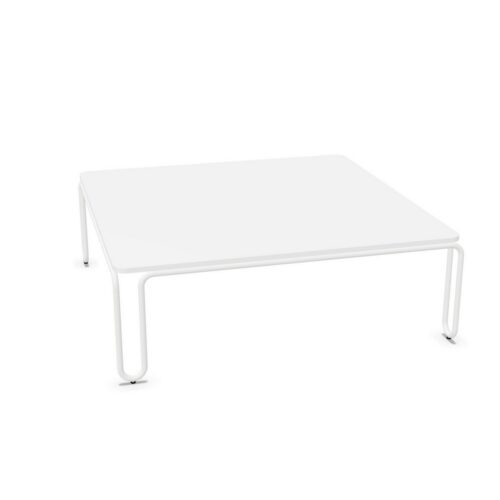
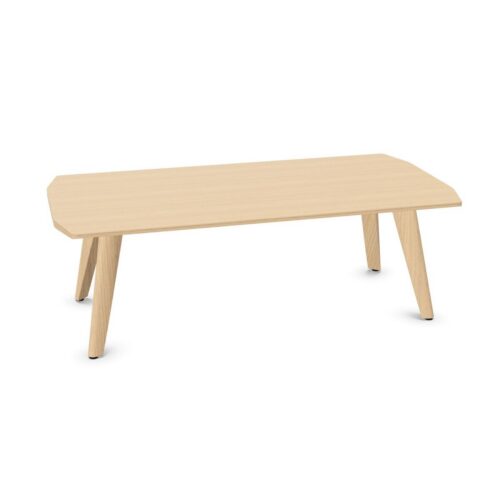
Begin with the seating group rather than the walls. Identify the seats the table is intended to serve, then position its long and short sides in relation to them. Parallel lines can help make the arrangement easy to read, but visual order should be tested against everyday use. Consider how a person at each seat would approach the surface, place an item, and stand to leave. Review the end positions with particular care. Their relationship to the table may differ from that of seats facing a long side, even when the overall arrangement looks symmetrical.
Separate Table Alignment From Through Movement
A rectangular top can follow the direction of a room while still projecting into a route at one end. Trace movement around the whole outline, including the corners nearest circulation. Check the paths taken by someone entering the lounge and someone leaving a seat at the same time. Where the room carries traffic to another destination, establish that route before refining the table position. A floor plan should include adjacent furniture and the normal occupied arrangement. Reviewing an isolated tabletop can overstate the space available and conceal the point where movement becomes less direct during use.
