

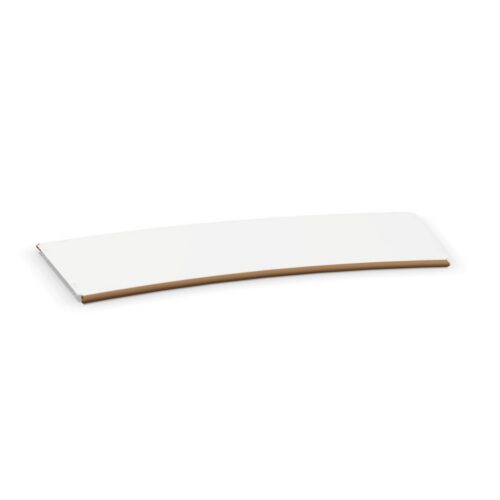
Round Tops With Gold Surfaces

lounge furniture with round tops and gold surfaces places a distinct color within a circular outline, creating a clear subject for a workplace lounge composition. The planning question is where that combination should sit in relation to the seats and the room’s main views. Start with the shared center of the seating group, then decide how prominently the gold surface should appear within the wider palette.

A round top does not provide a long edge to follow a sofa or wall, so its position depends on the arrangement around it. Assess the perimeter from several seats and approaches. Review the gold color under the intended room lighting without assuming a metallic material, gloss or reflective effect. This keeps the comparison focused on the selected attributes: a round tabletop and a gold-colored surface, considered together within a specific lounge setting.


Centering lounge furniture with round tops and gold surfaces

Find the shared center of the seating group before using the room itself as a reference. The best position for the circular outline may differ from the midpoint between walls. Consider which seats are intended to relate most directly to the surface and how the group is approached. Then assess the gold color from the entrance. A centered arrangement can still look unbalanced if the surrounding seats and large areas of color are unevenly distributed. Review position and color emphasis together, using the actual room plan rather than an isolated furniture view.

Distribute Color With a Clear Purpose

Decide whether the gold surface should be the only use of that color in the lounge or part of a repeated theme. A single concentration and a dispersed pattern create different visual relationships. Compare both against the existing interior before adding further accents. Pay attention to the largest neighboring areas of color, since they establish the context in which the top is seen. Gold identifies the selected surface color here. It does not establish the material, sheen or surface treatment, so assess those details separately when they matter to the project.

Arrange Seats Around the Circular Outline

Evaluate lounge furniture with round tops and gold surfaces from each intended seating position. With no long side establishing a front, the relationship between the seats becomes especially relevant. Avoid assuming that every seat must be equally spaced or that the arrangement must be symmetrical. Instead, review how the seats belong to the group and how people approach them. Trace routes around the full circular perimeter, including turns near neighboring furniture. The absence of corners does not establish clearance or access characteristics; those depend on the complete arrangement and need their own review.

Control the View From Arrival Areas

Where the lounge is visible from reception or an adjoining workspace, assess the round gold surface as part of that longer view. Consider what appears behind it and whether other prominent colors compete for attention. Then return to the seated perspective, where the surface occupies a different part of the view. Include any objects planned for the top so the comparison reflects the intended setting. Keep those objects consistent when assessing alternatives. A useful final decision explains both why the circle sits where it does and why the gold color belongs at that point in the room.

Frequently Asked Questions

Does the round top need to sit centrally in the room?

No. Its relationship to the seating group is the more useful starting point. Compare that position with the entrance view and surrounding routes before finalizing the arrangement.

Should gold be repeated throughout the lounge?

Only if repetition supports the intended composition. Compare a concentrated use of gold with a wider distribution, keeping the existing palette and principal viewpoints in mind.

How can the combination be compared consistently?

Assess lounge furniture with round tops and gold surfaces using the same seating positions, lighting context and planned surface objects. This makes the relationship between circular shape, color and placement easier to judge.

Explore related selections