

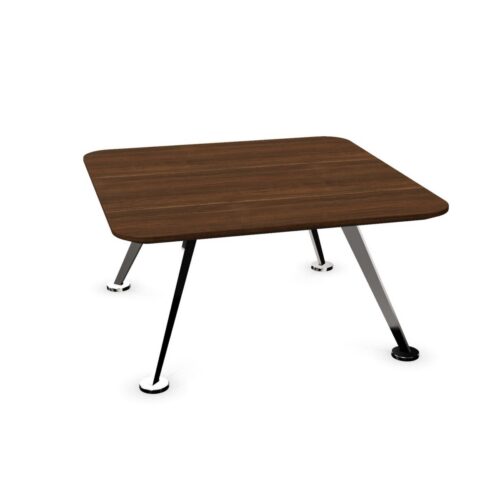
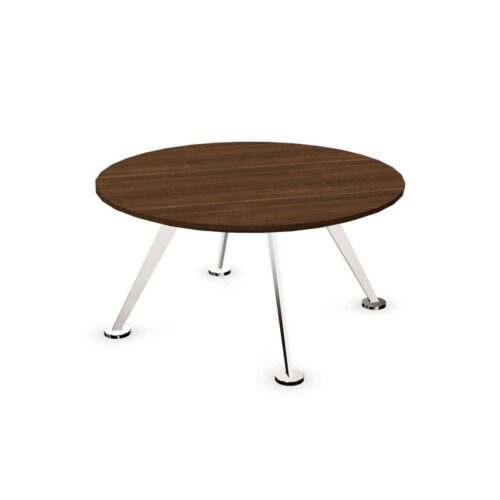
Lounge Furniture With Round Tops and Brown Surfaces

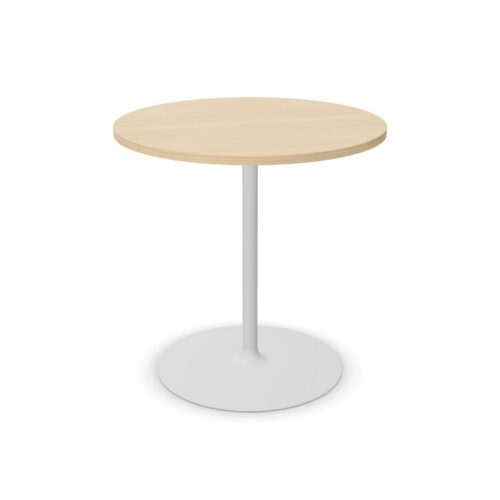
lounge furniture with round tops and brown surfaces is a focused choice to assess when seating is arranged around a shared center. A round tabletop has no long side to establish the direction of the group, so the seats and surrounding routes take on more of that role. The brown surface adds a color relationship that should be considered from every position around the table.

Planning lounge furniture with round tops and brown surfaces starts with the people using the space. Mark where they will sit, how they will enter the group, and which seats should relate directly to the surface. Then compare the circular outline with the surrounding arrangement. Brown should be evaluated against the actual floor and seating colors, especially where similar shades could make the table boundary less distinct. Review the complete group from its principal approaches before settling on a position.

2 models
From €9.47 p/m
2 models
From €7.46 p/m
€12.65 p/m
4 models
From €35.51 p/m
€31.06 p/m
€17.73 p/m
3 models
From €99.55 p/m
€19.70 p/m
2 models
From €15.15 p/m
2 models
From €7.63 p/m
€22.10 p/m

Grouping Lounge Furniture With Round Tops and Brown Surfaces

Establish the seating pattern before placing the table at its apparent center. A circle can sit within a symmetrical group, but it can also relate to seats arranged less evenly around the room. In either case, identify which positions are intended to use the surface and review them individually. A table centered within the room may be offset from the people it serves. Start with their positions, then assess how the resulting arrangement relates to the wider lounge. This gives the round outline a practical role instead of relying on visual centrality as the main reason for its placement.

Review Entry Points Into the Group

The absence of tabletop corners does not determine how easily someone can enter or leave the seating area. That depends on the surrounding furniture and the routes between it. Trace a visitor's approach to each seat, including the seats furthest from the entrance. Consider how people already seated would affect that movement. Where the group sits beside a through route, review the circular boundary at the point nearest the passage. Keep personal belongings in mind during the walkthrough, because the space used by a group extends beyond the outlines of the empty furniture shown in a plan.

Assess Brown From Every Side

A round central surface can be viewed against different backgrounds as people move through the room. Compare the brown color from the entrance, from the main seats, and from any adjacent circulation route. Look for deliberate relationships with surrounding colors while keeping the tabletop outline distinguishable. Brown alone does not describe the surface's material or texture, so base the palette decision on its actual appearance. For lounge furniture with round tops and brown surfaces, this all-around review is particularly useful: there is no single long face that can be treated as the only important view during planning.

Decide What the Shared Center Should Serve

Describe the table's intended role in the conversation group. It may provide a place for items used by selected seats or be intended as a common surface for the whole arrangement. Check the relationship from each seat without assuming that circular geometry makes access equal. Seating position still matters. Review where people would place cups or personal belongings and whether those locations conflict with another person's space. If the arrangement feels uneven, revisit the seating pattern as well as the table position. A small change in the group can be more relevant than centering the table more precisely.

Frequently Asked Questions

Does a round top give every seat equal access?

No. Access depends on where the seats are placed around it. Review each occupied position and the intended use of the surface before assuming the arrangement is evenly shared.

Should the table be centered in the room?

Begin by centering its role within the seating group. Its relationship to the room can then be assessed alongside circulation and the views from neighboring areas.

How should a brown top relate to the floor?

Compare their actual colors under the room's lighting. Consider both the overall palette and whether the circular tabletop boundary remains sufficiently distinct from its background.

Explore related selections