

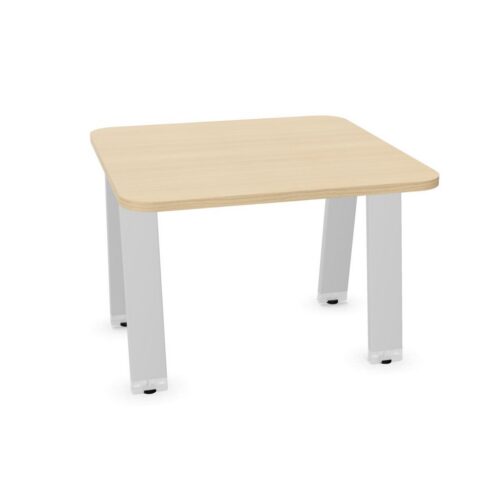
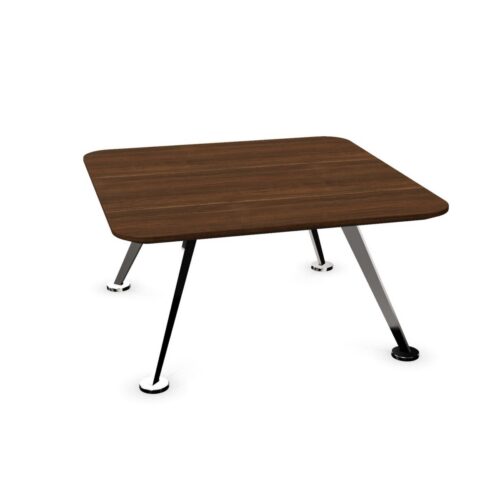
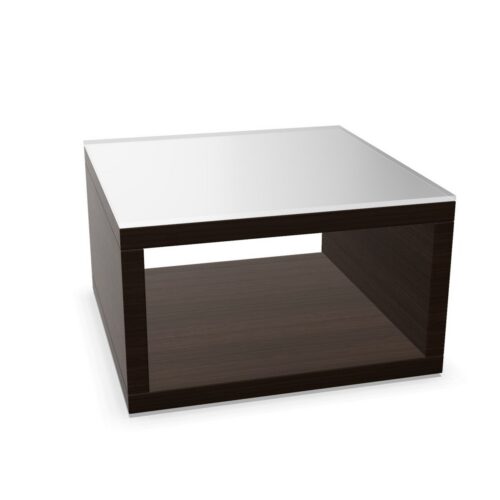
Lounge Furniture With Square Tops and Brown Bases

lounge furniture with square tops and brown bases brings a regular outline into a lounge arrangement, with brown providing a separate visual reference at floor level. The square shape makes the relationship between adjacent seats particularly noticeable: its edges can echo the room’s main lines or sit at a deliberate angle to them. Neither approach should be chosen without considering how people enter and leave the seating group.

For lounge furniture with square tops and brown bases, begin by deciding whether the area should read as a formally aligned setting or a more varied composition. Then compare the table with the seating, nearby circulation, and floor color. A brown base does not establish any material, so focus first on the selected color and shape. Together, these attributes create a specific planning question: how can a defined geometric outline sit coherently within the room without making movement around its corners an afterthought?

2 models
From €19.09 p/m
€13.37 p/m
€6.38 p/m
2 models
From €124.26 p/m
2 models
From €7.63 p/m
2 models
From €5.62 p/m
€22.10 p/m
2 models
From €8.28 p/m
€25.73 p/m
3 models
From €11.44 p/m

Aligning lounge furniture with square tops and brown bases

A square top gives you edges that can relate directly to the main lines of the room. Begin by comparing an alignment with the walls against an alignment with the seating. Those directions may coincide, but they may also differ in a lounge positioned within a larger open area. Choose the reference that makes the seating group easiest to understand in context. Turning the table changes where its corners meet approach routes, so orientation should be reviewed as a practical decision as well as a visual one. Keep the surrounding furniture visible throughout that comparison.

Establish a clear color relationship

Brown at the base can connect visually with other brown elements or remain a separate accent within the lounge. Start with the floor because the base is read against it from many everyday viewpoints. Next, compare the color with the seating and any nearby fixed finishes. Avoid assuming that all browns will look coordinated simply because they share a color name. Look at the actual appearance together and decide what relationship you want. A close relationship can support visual continuity; a more noticeable difference can give the table a clearer individual presence within the group.

Review the spaces between adjacent seats

Square tops create distinct relationships with seats placed on neighboring sides. When planning lounge furniture with square tops and brown bases, look carefully at those meeting points. Consider where people turn toward each other, stand up, or move behind a chair. The corners may face into different parts of the group depending on the orientation, which makes a rotated layout worth reviewing separately. Do not assume that an arrangement suited to facing sofas will work equally well beside individual chairs. Evaluate the complete seating pattern and identify which approach routes matter most for the intended room use.

Repeat the geometry with purpose

If the lounge forms part of a larger workplace, decide whether the square outline should echo other visible geometry or distinguish the seating area. Repetition can establish an orderly visual relationship, but excessive matching is not a requirement. Compare the square against the room's dominant lines and the outlines of neighboring furniture. Then check whether the brown base supports the same intention through its relationship with the floor. Document the chosen orientation and color reference so that later layout decisions remain consistent. This is particularly useful when the lounge sits beside several different workplace settings with their own visual character.

Frequently asked questions

Can a square top be positioned diagonally?

Yes, a diagonal position can be considered as a layout option. Review where the corners then point, how people approach the seats, and whether the orientation remains coherent with the surrounding room.

Is a square top suited only to symmetrical seating?

No. It can be assessed within an uneven seating arrangement, provided its position responds to the actual seats and access routes. Symmetry is one possible design choice rather than a necessary starting condition.

What makes comparisons between options useful?

Compare lounge furniture with square tops and brown bases in the same proposed layout. Keep the seating and viewpoints consistent so that differences in orientation and the appearance of brown can be judged clearly.

Explore related selections