

Lounge Furniture With Square Tops and Blue Bases

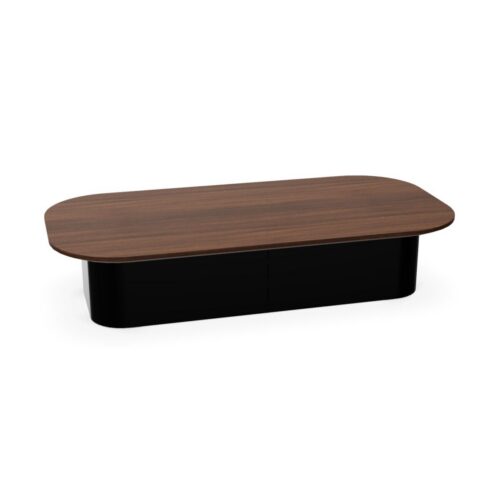
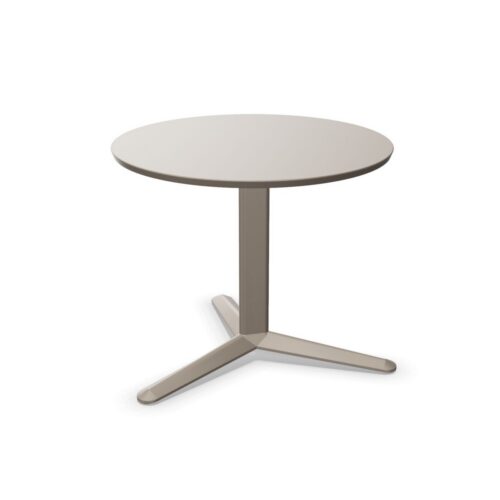
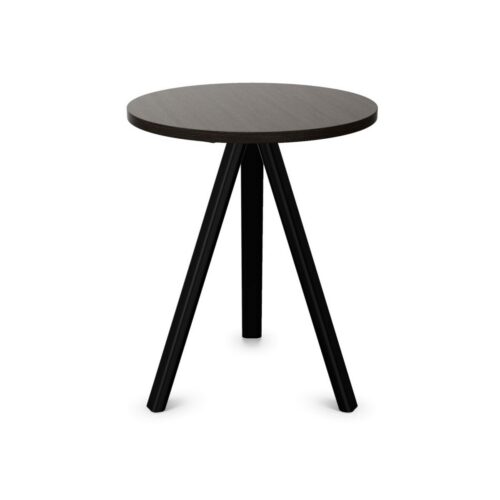
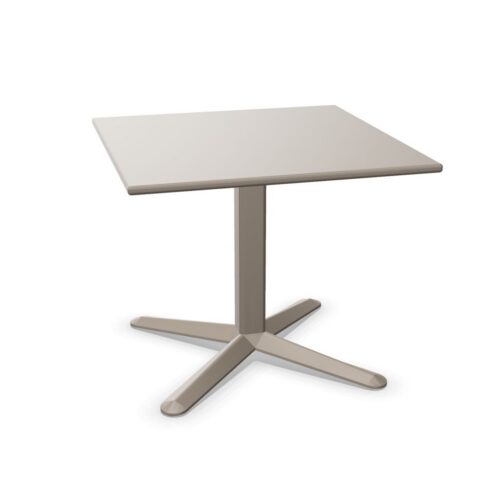
Lounge furniture with square tops and blue bases combines equal sided tabletop geometry with color at base level. The pairing lends itself to a planning discussion about alignment: how the top sits against seating lines, how its corners meet surrounding routes and where the blue appears within the group. A square outline gives the arrangement a clear geometric reference, but the final position should still follow the needs of the room.

Assess lounge furniture with square tops and blue bases in relation to the actual seats, including their direction and the openings between them. A square top can be aligned with the room or considered at a different orientation, but either approach needs a reason. The blue base introduces a second layer of coordination. Decide whether it should repeat a workplace accent or remain local to the lounge, then compare the complete arrangement from the main approach and from the seated positions.

7 models
From €17.65 p/m
10 models
From €6.52 p/m
7 models
From €5.17 p/m
9 models
From €7.11 p/m
2 models
From €8.28 p/m
2 models
From €3.38 p/m

Orienting lounge furniture with square tops and blue bases

Start by identifying the strongest line in the seating arrangement. This might follow the main sofa, the facing seats or a nearby architectural boundary. Align the square top with that reference and review the result before considering a rotated position. Rotation changes where the corners sit relative to the seats and circulation, even though the top retains the same shape. Compare both the overhead plan and the view on entering the lounge. The preferred orientation should explain the relationship between the table and its surroundings without relying on decoration to make the layout feel intentional.

Check each side against the seating

Equal sides do not guarantee equal relationships to the people around the table. With lounge furniture with square tops and blue bases, examine how each side corresponds to the adjacent seating. Some positions may face the surface directly, while others approach it across a corner. Check those differences before assuming that visual symmetry produces a useful arrangement. Review how people enter and leave each seat, particularly where the group meets a workplace route. If a corner interrupts that movement, reconsider the orientation or seating position as part of the whole layout rather than treating the issue in isolation.

Make the blue base part of a clear palette

A square outline can create a strong geometric presence, so consider how much additional emphasis the blue base should introduce. A repeated blue may connect the group to nearby workplace elements. An independent blue accent may instead distinguish the lounge within a larger room. Compare these approaches against the existing palette before adding further colors. Look at the base from the doorway and from the seats, where surrounding furnishings may conceal different parts of it. Assessing these views together helps establish whether shape and color are equally prominent or whether one should lead the composition.

Use consistency carefully across neighboring groups

When lounge furniture with square tops and blue bases appears in a plan for adjacent seating areas, distinguish visual consistency from identical placement. The square geometry can remain a common reference while the orientation responds to each group's approach. Likewise, blue can connect the areas without requiring every surrounding furnishing to match. Review the view across the room to see whether the groups feel related, then check each individually for access and seating relationships. This method keeps the shared design idea clear while recognizing that a lounge beside a wall has different spatial conditions from a group within an open area.

Questions about square tops and blue bases

Is a rotated square suitable for a lounge?

It can be considered when there is a clear relationship to the seating and surrounding routes. Review the corner positions carefully. A rotated arrangement should be judged by how it works within the room, rather than by its appearance in isolation.

Do equal sides mean every seat should face a side?

No. The room may require a less symmetrical arrangement. Compare how each seat relates to the surface and how people approach it. The useful question is whether the whole group is coherent, rather than whether every position repeats the same geometry.

What helps coordinate several square topped lounge groups?

Assess lounge furniture with square tops and blue bases using consistent questions about alignment, access and color visibility. Let the shared attributes connect the groups, while allowing each arrangement to respond to its own entrance routes and surrounding seating.

Explore related selections