

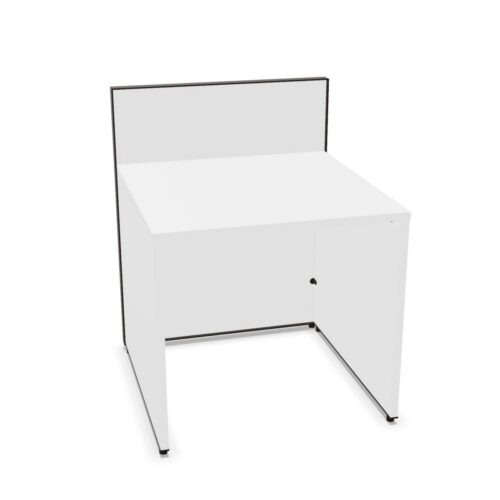
Lounge Furniture With Straight Blade Tops and Beige Bases

lounge furniture with straight blade tops and beige bases calls for a considered comparison of top outline and base color within the intended seating area. Straight blade identifies the selected top shape, while beige describes the base. These two attributes provide a specific visual direction, but the exact outline and its relationship to the seats should be reviewed before deciding where the furniture belongs.

Use lounge furniture with straight blade tops and beige bases as the starting point for a coordinated lounge composition. Establish which seating line the top should relate to, how the arrangement is approached, and whether the beige should blend with or stand apart from nearby finishes. Avoid drawing conclusions about construction, materials, or edge details from the shape name. A useful assessment concentrates on what can be established: the selected shape, the selected base color, and the way both will read within the proposed room arrangement.

3 models
From €18.78 p/m
10 models
From €6.68 p/m
12 models
From €6.72 p/m
3 models
From €2.58 p/m
2 models
From €12.89 p/m
8 models
From €3.44 p/m
3 models
From €18.57 p/m
12 models
From €5.54 p/m

Reviewing lounge furniture with straight blade tops and beige bases

Start by examining the actual top outline in relation to the proposed seating. The straight blade designation is a shape reference, so use the visible form when considering orientation instead of inferring additional details from the name. Identify the room line or seating line that should guide placement. Then review whether that orientation creates a coherent relationship with the rest of the group. Where several orientations seem possible, compare them against the same entrance view and seating arrangement. This keeps the decision focused on the particular combination rather than on assumptions about other lounge furniture.

Decide how beige should relate to its surroundings

Beige can sit within a closely related neutral palette or introduce a difference against another room color. Its appearance should be judged beside the actual floor and surrounding furniture. In a largely neutral setting, compare the beige with adjacent finishes to decide whether their relationship feels intentional. Where the floor is more contrasting, consider how clearly the base will appear beneath the top. Neither approach establishes a material or surface treatment. Keep the color decision separate from those details and record which existing finish provides the main reference for the proposed lounge arrangement.

Test alignment from more than one viewpoint

For lounge furniture with straight blade tops and beige bases, a single frontal view is insufficient for judging the full composition. Look from the main entrance, from the neighboring workspace, and from the intended seats. The top's orientation may appear convincing from one direction while feeling disconnected from another. Follow the routes people take around the group and identify the points where they turn or pause. Use those observations to refine placement. The aim is to establish a consistent relationship between top, base, seating, and room without assigning unverified characteristics to the furniture.

Create a focused comparison brief

A clear brief makes alternatives easier to assess. State the intended seating arrangement, the main direction of the group, and the color relationship expected from the beige base. Include the actual top outline as a visual reference so that everyone involved is discussing the same shape. Keep questions about construction separate until those details have been established. During review, ask whether each option supports the agreed room composition and whether its position respects the approach to the seats. Record any unresolved detail as a question to verify, rather than filling the gap with an assumption.

Frequently asked questions

Does straight blade establish the edge construction?

No. Treat straight blade as the selected top shape. It does not by itself establish edge construction, thickness, or material. Assess the actual outline and verify any additional details separately when they affect the project.

How should beige be assessed in a neutral room?

Compare it directly with the floor, seating, and nearby fixed finishes. Decide which relationship should guide the composition, rather than assuming that different neutral colors will automatically appear coordinated when placed together.

What should the planning brief prioritize?

For lounge furniture with straight blade tops and beige bases, prioritize the top's actual outline, its orientation beside the seats, and the intended relationship between beige and the room palette.

Explore related selections