


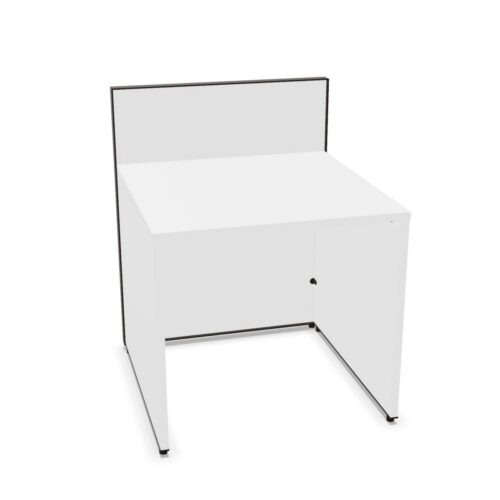


Orienting lounge furniture with straight blade tops and grey bases
Draw the actual tabletop outline within the proposed seating group and compare more than one orientation. Use the primary seating line as an initial reference, then check whether a different position gives the table a clearer relationship to the whole group. The straight blade designation should remain a shape reference, not a substitute for examining the complete outline. Consider how the top appears from occupied seats as well as from the entrance. A strong visual direction can be useful in a room plan, provided it does not pull the table away from the people it is intended to serve.
Choose the alignment that belongs to the setting
When comparing lounge furniture with straight blade tops and grey bases, distinguish between room alignment and seating alignment. A table can echo the direction of a wall while sitting awkwardly within the chairs around it. Equally, an arrangement centered entirely on the seating may need adjustment to preserve a clear route beside it. Work through these relationships in order: identify the table's users, position the seats, place the top, then review the surrounding circulation. This gives the selected shape a practical reason for its orientation instead of relying solely on a visually neat plan.
