

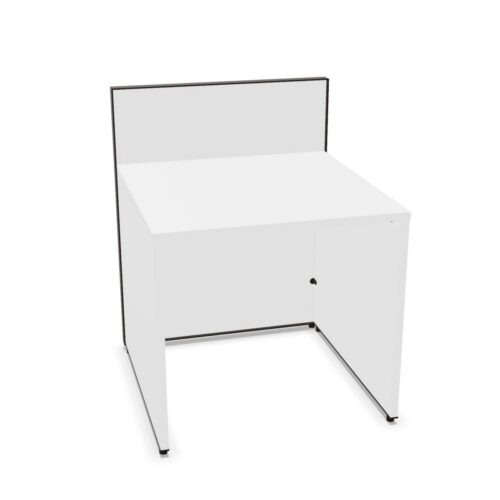
Lounge Furniture With Straight Blade Tops and Green Bases

Lounge furniture with straight blade tops and green bases combines a named tabletop shape with green at base level. For a workplace lounge, the practical task is to understand the actual top outline and place it in a clear relationship to the seating. The shape name alone should not determine assumptions about its edge treatment or construction. Green adds a separate visual choice beneath the top, which should be assessed within the surrounding room palette.

Start with the strongest seating line and examine how the tabletop follows or departs from it. Then consider where the green base will be visible from the main approach. A base color can connect a lounge to existing room accents or distinguish the seating group within a larger space. Treat that as an intentional design decision, and compare the complete arrangement before extending the same color into neighboring workplace areas or additional furnishings.


Assessing lounge furniture with straight blade tops and green bases

Begin by examining the actual tabletop outline associated with the straight blade description. Do not infer a specific thickness, edge treatment or construction from the name. Instead, identify the visible lines that matter to the room arrangement and compare them with the direction of the seats. This creates a practical basis for positioning the table. Review the proposed relationship from the entrance as well as from within the group. The aim is to establish why the top sits where it does before considering how the green base contributes to the appearance of the lounge.

Choose an alignment reference

A lounge may contain several competing directions: seating facing a window, a wall running at another angle and a circulation route crossing nearby. Decide which reference should organize the table. Following the main seating line is a useful starting point, but it should be checked against access and the shape of the group. Avoid adjusting the table to every surrounding line at once. A clear reference makes the arrangement easier to assess. Once it is established, review the seats that do not follow that direction and confirm that their relationship to the surface remains considered.

Make green a deliberate visual connection

In lounge furniture with straight blade tops and green bases, green is a color decision rather than evidence of any material or environmental characteristic. Assess it through the intended palette. It may repeat an existing green elsewhere in the workplace or provide a local accent beneath the tabletop. Compare the actual appearance against the floor, seating and background visible from the main approach. Where several greens are present, judge their relationship directly instead of assuming a match. Keep the reason for the color clear before extending it across other parts of the room.

Resolve the boundary between lounge and route

The table should belong clearly to the seating group when the lounge sits beside a workplace circulation route. Review the actual perimeter against the positions where people pass, turn and approach the seats. Assess the layout with the group occupied, since seated people change its apparent boundary. Also consider whether the green base visually connects the table to the lounge or draws attention from the route beyond it. Neither outcome is automatically preferable; the choice depends on the intended room composition. Make the boundary understandable through placement before relying on color to define the area.

Questions about straight blade tops and green bases

Does straight blade describe a particular edge construction?

Do not assume that it does. For lounge furniture with straight blade tops and green bases, examine the specific top outline and edge details directly. The selected shape name is not enough to establish construction, materials or additional characteristics.

Which room line should guide the table position?

Start with the main seating arrangement, then test that alignment against nearby routes and architectural boundaries. Choose the reference that gives the table a clear relationship to the group while keeping approaches to the seats understandable.

Should green be repeated in adjoining workplace areas?

Only when that repetition supports the intended color scheme. First assess how visible the base is within the lounge. A local accent may be sufficient, while a deliberate connection to adjoining areas may call for a related green elsewhere.

Explore related selections