



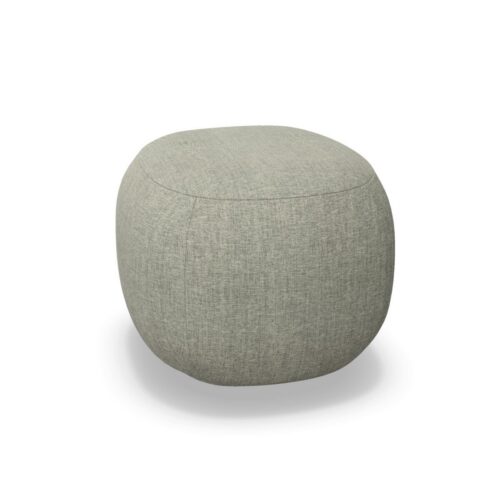


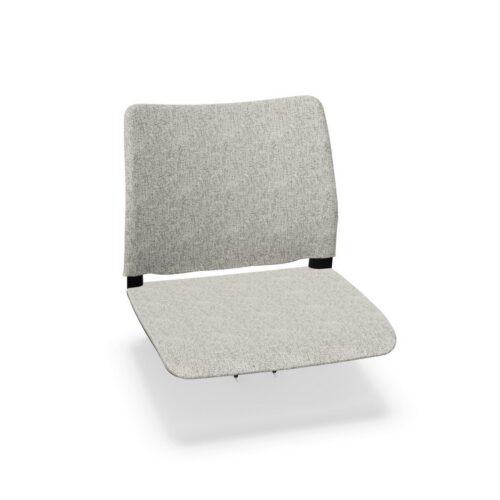


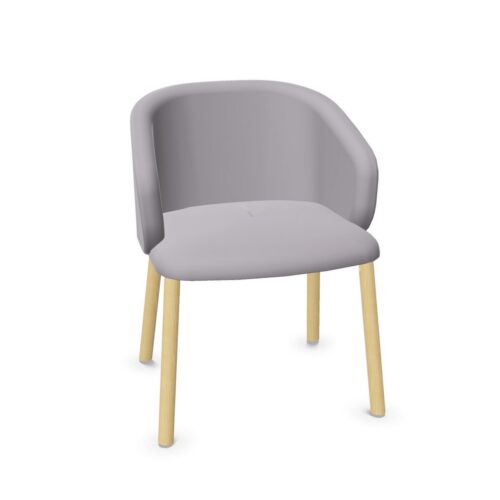


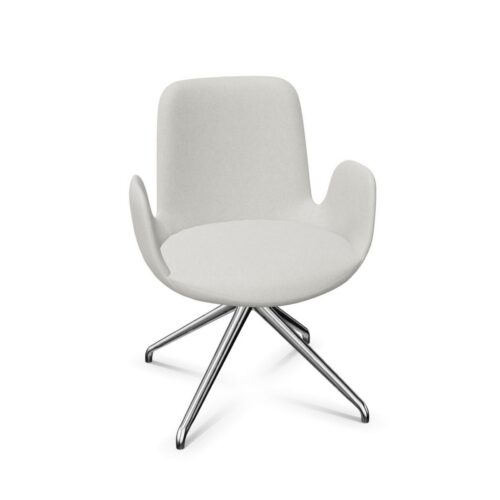


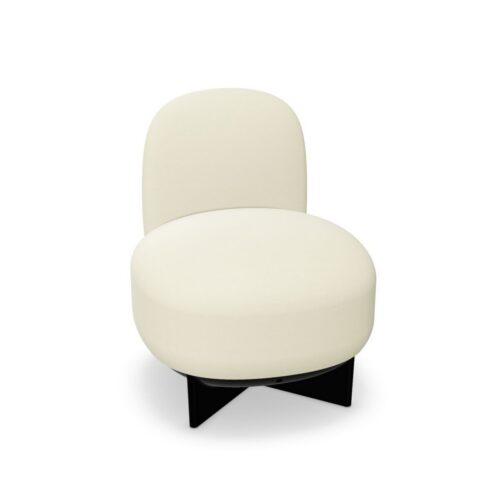


Grouping lounge furniture with fabric upholstery and plastic bases
Start by defining the relationship between people within the seating area. Decide whether the arrangement is intended mainly for individual pauses, paired conversations, or a shared group setting. Orient the furniture around that purpose before refining the color relationship between the upholstery and the bases.
The plastic base material does not establish a single visual style. Review the actual form and appearance of each option, including how much of the base is visible. In a group arrangement, repeated base shapes can become a noticeable part of the composition even when fabric provides the main color.
Give the shared lounge a clear identity
Identify the visual connection between the lounge and the surrounding workplace. It may come from a repeated upholstery color, a related base appearance, or a consistent furniture outline. Choose which relationship matters most so that the area has a coherent direction without requiring every element to be identical.
When comparing lounge furniture with fabric upholstery and plastic bases, assess how the group reads from outside its immediate area. People approaching from a corridor should be able to recognize the seating destination. Color can contribute to that recognition, alongside placement and the orientation of the furniture.
