

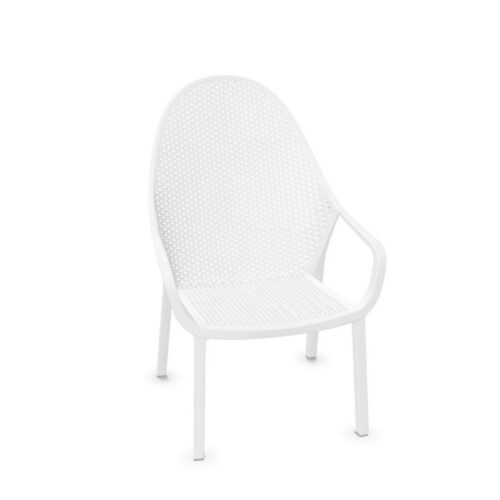
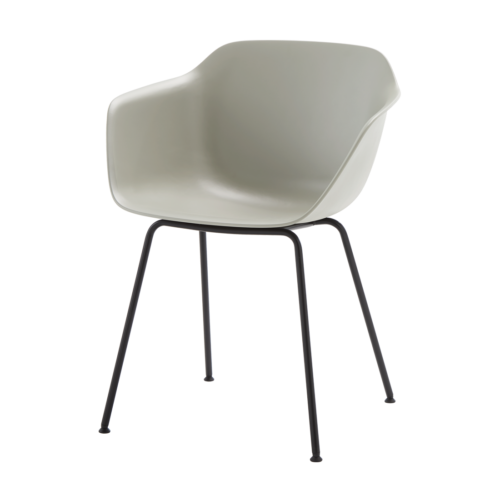
Lounge Furniture With Plastic Upholstery and Plastic Bases

lounge furniture with plastic upholstery and plastic bases puts the same named material in two distinct parts of the furniture. That shared designation does not mean the upholstery and base have identical colors, finishes, or construction. For a workplace lounge, compare how the upper and lower sections relate before deciding whether the overall appearance should feel unified or deliberately divided. The distinction matters when several pieces are viewed together.

Start with the room’s visual priorities. A restrained setting may call for a close relationship between the body and base, while a more varied interior may accommodate a clearer difference between them. Assess the actual design from the entrance and across the seating group. Pay particular attention to the outline, the visible transition between sections, and how repeated pieces affect the composition. Plastic in both positions is a material starting point, rather than a complete design description.

17 models
From €4.61 p/m
4 models
From €50.73 p/m
10 models
From €17.02 p/m
22 models
From €4.90 p/m
2 models
From €3.26 p/m

Comparing lounge furniture with plastic upholstery and plastic bases

First decide whether material continuity should also mean visual continuity. Two plastic components can have different appearances, so assess the actual upholstery and base together. A closely related color pairing may emphasize the overall silhouette. A more distinct pairing may draw attention to the division between the upper body and its support.

Make that choice in relation to the room, rather than in isolation. Review nearby surfaces and existing furniture to identify whether the lounge needs another clear outline or a quieter visual presence.

Use repeated shapes with intention

In a shared lounge, repetition can become more noticeable than any individual detail. Compare how the profile of each piece reads across the proposed group. Look at the rhythm created by backs, sides, and bases, and consider whether it supports the intended arrangement.

Matching materials do not require matching forms throughout the room. Establish which element will connect the furniture: an upper silhouette, a base profile, or an actual color relationship. Keeping that decision explicit helps prevent a collection of individually suitable pieces from appearing unrelated once placed together.

Separate appearance from practical requirements

For lounge furniture with plastic upholstery and plastic bases, assess the intended pattern of use independently from the material pairing. A reception waiting area and an informal staff lounge may need different seating arrangements, even when the selected materials are the same.

Map where people arrive, pause, sit, and leave. Check whether each seat can be approached without passing through another person's immediate space. Then confirm the relevant product details and care guidance. The word plastic alone does not establish surface treatment, maintenance requirements, or suitability for a particular setting. Those questions require specific information about the furniture being considered.

Review the whole composition before deciding

Compare the upper body and base against the room's floor and background. An apparently unified piece can read differently when placed beside a contrasting wall or under directional lighting. Use representative samples where possible, and avoid judging the relationship solely from an isolated image.

For a varied arrangement, identify a limited set of visual relationships to repeat. Consider the view across the entire lounge, including gaps between pieces and the outlines visible along circulation routes. This provides a clearer basis for selection than assuming that plastic in both positions will automatically create a coordinated result. Review the arrangement again from the principal entrance before finalizing the composition.

Frequently asked questions

Will the upholstery and base have the same finish?

Not necessarily. Plastic identifies the selected material in both positions, but it does not establish matching finishes. Confirm each surface separately and compare them under the lighting planned for the room.

Can different shapes work within the same group?

Yes, provided their relationship is deliberate. Compare their outlines together and decide which visible feature connects them. A shared material designation alone may be too broad to create the intended visual consistency.

What is the best starting point for comparison?

Start with the room's purpose when assessing lounge furniture with plastic upholstery and plastic bases. Then compare the upper and lower sections, the overall silhouette, and the way each proposed arrangement supports clear movement through the space.

Explore related selections