


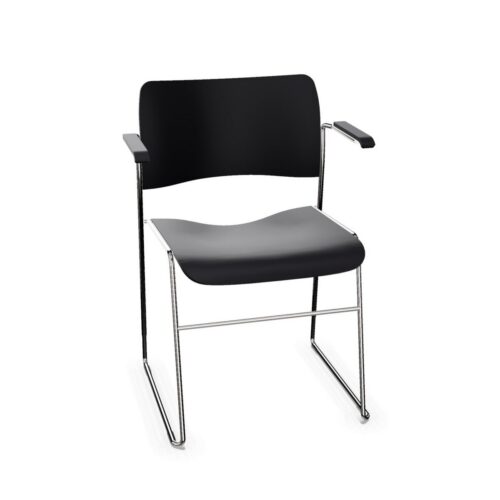


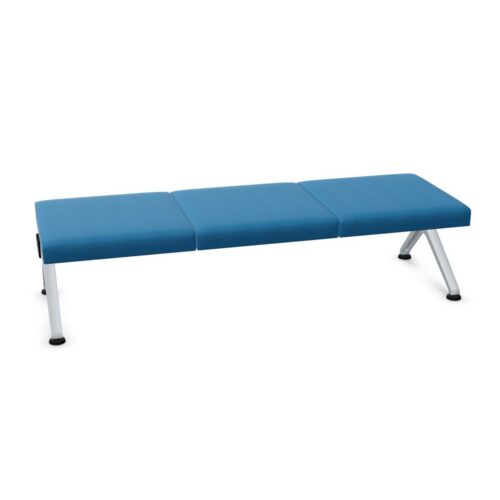


Planning lounge furniture with plastic upholstery and metal bases
Begin with the relationship between the plastic seating element and the metal base. Assess their actual colors and finishes together, then compare the complete piece with the room. Avoid assigning a particular appearance or use characteristic to either material without confirmation. The selected combination gives the project a material direction, while the detailed proposal establishes how that direction will look and function in the intended setting. Review the main background, the floor, and nearby furniture as part of the same composition. This helps the team judge the whole piece rather than approving its separate elements in isolation.
Use Color Relationships Deliberately
Neither plastic nor metal specifies a color, so develop the visual scheme from confirmed finishes. Decide whether the seating element and base should appear closely related or clearly differentiated. Compare that pairing with the surrounding interior before repeating any color elsewhere in the lounge. If several seating positions are proposed, assess their combined appearance from the entrance and adjoining routes. A consistent relationship between the plastic and metal elements can give the arrangement a clear visual direction, but the result depends on the actual surfaces and their setting. Record the agreed references for later coordination with adjacent furniture.
