

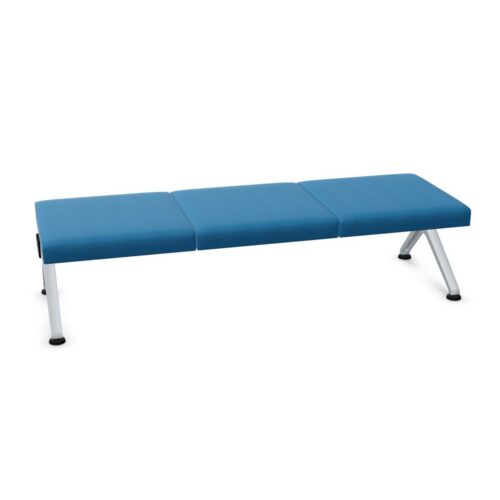
Lounge Furniture With Plastic Upholstery and Wood Bases

lounge furniture with plastic upholstery and wood bases combines a plastic upholstered body with a wood support structure. The planning question is how those two visible elements relate to the interior around them. In a workplace lounge with existing wood details, the base may provide a point of connection, while the upholstery introduces a separate surface to consider. Actual tones and finishes determine that relationship; the material names do not establish a particular style.

Begin by identifying which existing wood elements matter most to the room’s appearance. Compare the proposed base with those features rather than trying to coordinate every surface at once. Then assess the plastic upholstery alongside the base and the surrounding background. This approach helps establish a clear material hierarchy, whether the furniture forms a reception group, marks a waiting area, or sits within a broader shared lounge.

2 models
From €12.20 p/m
3 models
From €6.87 p/m
17 models
From €9.51 p/m
43 models
From €22.39 p/m
79 models
From €31.57 p/m
3 models
From €5.00 p/m
4 models
From €5.64 p/m

Coordinating lounge furniture with plastic upholstery and wood bases

Choose a reference point for the wood base before comparing upholstery appearances. This might be a prominent architectural detail or another established wood element in the room. The aim is to understand whether the base should echo that reference or remain visibly distinct.

An exact visual match is not the only coherent approach. Different wood tones can sit within one scheme when their relationship is intentional. Compare representative surfaces together, allowing for the room's lighting and the distance from which the furniture will usually be seen.

Give each material a clear visual role

The plastic upholstery and wood base need to work as one composition, even when they have clearly different appearances. Look at where the two meet and how much of each is visible. A strongly expressed base changes the visual balance compared with one largely concealed by the upper body.

Assess this balance across the room rather than only at close range. If existing wood details already attract attention, decide whether another noticeable wood element supports the scheme. Keep judgments about color and finish separate from assumptions about construction or surface performance.

Plan the furniture around the setting

Place lounge furniture with plastic upholstery and wood bases in relation to the purpose of the area. For reception waiting, establish an understandable connection to the arrival point. For a shared staff lounge, consider how people approach a group and whether different conversations can occur without confusing the route through the room.

Review the base from the sides and rear as well as the front. A wood base may become an important part of the view from an adjoining space. Check that the furniture's visible structure contributes to the intended composition from each regularly used approach.

Build a comparison around actual evidence

Record the qualities that matter before assessing individual designs: the wood's visible tone, the upholstery appearance, the base outline, and the relationship between the upper and lower sections. Distinguish confirmed details from impressions formed through photography. Samples and clear finish information are particularly useful when coordinating with existing wood.

Material names do not establish the wood species, finish treatment, or upholstery characteristics. Confirm those details where they affect the project. Apply the same care to maintenance information rather than transferring instructions from another piece that happens to use similar materials. This creates a practical comparison grounded in the actual furniture and the intended room.

Frequently asked questions

Should the base match existing wood exactly?

An exact match is optional. Establish if you want continuity or a deliberate difference, then compare the actual tones together. A clear relationship is more useful than relying on the word wood alone.

Does this combination imply a particular interior style?

No. The overall effect depends on the furniture's form, colors, and finishes. Assess those details in context before describing the combination as suitable for a particular visual direction.

What should be reviewed before arranging a group?

For lounge furniture with plastic upholstery and wood bases, review the visible wood relationship across the whole group. Then check the approach routes, side views, and connection between the seating area and the surrounding interior.

Explore related selections