

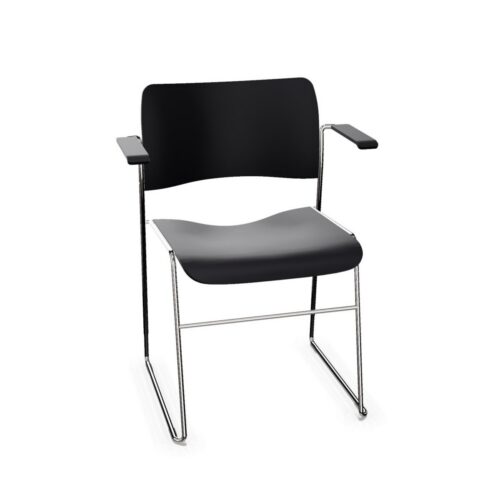
Wood Lounge Furniture With Aluminum Bases

lounge furniture with wood upholstery and aluminum bases calls for a coordinated review of the wood seating element and the aluminum beneath it. This combination establishes two materials without defining their colors, finishes, or construction details. In an open workplace lounge, those unresolved visual details matter because the furniture may be seen against several different backgrounds. Assess the complete piece from the main approaches before deciding how closely it should relate to neighboring furniture or architectural finishes.

Organize the comparison around visible relationships. Consider the wood against nearby wood surfaces, the aluminum against other confirmed base finishes, and both materials against the floor. Matching one element does not automatically coordinate the whole piece. A practical approach is to identify the most important reference in the room, develop the seating proposal around that relationship, and then check how it works from the other positions where people will encounter the lounge.

14 models
From €8.26 p/m
43 models
From €22.39 p/m

Positioning lounge furniture with wood upholstery and aluminum bases

Open lounges often present several equally important views. A seating group may face one part of the workplace while its sides or rear remain visible from another. Mark those approaches before evaluating the wood and aluminum combination. Review the proposed furniture against the background seen from each direction, rather than relying on a single presentation image. The wood element and aluminum base may relate differently to each background. Use this review to decide which relationship should lead the scheme and where a change in orientation could make the intended material composition clearer across the surrounding area.

Establish the Aluminum Finish Independently

Aluminum identifies the selected base material, but it does not define the final surface appearance. Confirm the proposed finish before comparing it with nearby details. If another aluminum element is intended as a reference, assess the actual surfaces together rather than assuming a match. Consider whether the base should be a visible part of the lounge composition or a less prominent detail beneath the wood element. That decision depends on the confirmed finish, the surrounding floor, and the arrangement. Review all three together so that the base is considered in its actual visual setting.

Make the Wood Reference Specific

When assessing lounge furniture with wood upholstery and aluminum bases, identify which existing wood surface is relevant to the proposal. A room may contain several wood appearances, and the seating does not need to relate equally to all of them. Compare the actual wood sample with the chosen reference and with the confirmed aluminum finish. Examine the complete relationship under the lounge lighting. If the intended result is coordination rather than a close match, describe that intention clearly. This gives reviewers a practical basis for assessing later adjustments without treating every difference between wood surfaces as a problem.

Connect Material Decisions to the Layout

Once the main material relationship is agreed, test it across the proposed seating group. Consider whether repeated wood and aluminum elements help the positions read as one shared lounge or whether the arrangement needs clearer separation between activities. Keep main routes understandable and make entry to each group apparent from the approach. Review the furniture both with and without people occupying it, since occupied positions change the visible composition. Confirm practical use requirements through the actual furniture design. Material names alone should not stand in for a review of the seat construction, care guidance, or suitability for the intended setting.

Frequently Asked Questions

Must Aluminum Bases Match Other Aluminum Details?

A shared material does not require an identical appearance. Decide whether the design calls for a close match or a more general relationship, then compare the confirmed finishes directly. Assess the result within the room rather than through material names alone.

Which Wood Surface Should Guide the Comparison?

Choose the existing surface that has the strongest visual relationship to the seating's intended position. Compare that reference with the proposed wood and aluminum together. This keeps the review focused when several different wood appearances are present in the wider interior.

Why Review More Than the Front View?

lounge furniture with wood upholstery and aluminum bases may remain visible from adjoining routes and work areas. Side and rear views show relationships that a front view can miss, including how the base and wood element sit against different surrounding finishes.

Explore related selections