

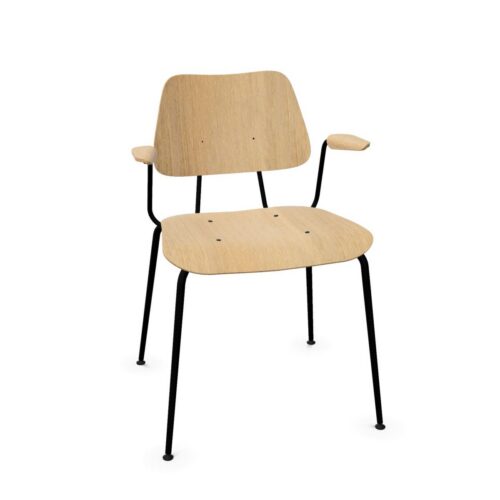
Wood Lounge Furniture With Metal Bases

lounge furniture with wood upholstery and metal bases brings wood and metal into the same seating proposal, making their relationship central to the interior scheme. Assess the wood seating element and the metal base as distinct parts of the complete piece. The selected materials do not establish a wood species, a metal type, or a particular finish. Those details need to be understood before the furniture can be coordinated closely with an existing reception area, workplace lounge, or informal meeting space.

Begin by identifying the room’s strongest existing material references. If wood already appears nearby, decide whether the new seating should relate closely to it or remain visibly distinct. Review the metal base against the floor and adjacent furniture at the same time. A useful comparison considers the complete combination in its intended position, with attention to the views seen from entrances and circulation routes as well as from within the lounge.

4 models
From €17.07 p/m
8 models
From €13.28 p/m
17 models
From €9.51 p/m
43 models
From €22.39 p/m
3 models
From €14.53 p/m
7 models
From €6.92 p/m
5 models
From €11.44 p/m
22 models
From €4.90 p/m
6 models
From €7.24 p/m
10 models
From €4.67 p/m
3 models
From €18.37 p/m

Evaluating lounge furniture with wood upholstery and metal bases

The wood and metal elements should be assessed together, but each needs its own clear description. Confirm the actual wood appearance and the proposed metal base finish before judging their relationship. Avoid assuming that all wood will coordinate with existing wood details or that metal implies a particular color. Place the relevant samples alongside the room's established finishes. This helps distinguish a considered material pairing from a near match that may look accidental. Assess the result in the intended setting and under its lighting, including the background against which the seating will usually be viewed.

Choose a Relationship to Existing Wood

Where a lounge sits beside existing wood elements, decide early whether continuity or separation better suits the room. A close visual relationship requires comparison of the actual surfaces, rather than reliance on a general material name. A more distinct approach still needs a clear rationale, such as connecting the seating to another part of the interior. Review all visible wood elements together before adding further references. Too many unrelated appearances can make the design intention difficult to read. Record which existing finish the seating should relate to so that later project decisions maintain the same direction.

Give the Metal Base a Defined Role

For lounge furniture with wood upholstery and metal bases, determine whether the base should connect with nearby details or serve mainly as part of the seating's own composition. Compare its confirmed finish with the floor and the wood element above it. Review any proposed relationship to other metal surfaces directly; shared material terminology does not establish an identical appearance. In an open lounge, look at the bases across the full seating group. Their spacing and visibility depend on the arrangement, so use the proposed floor plan and approach views to assess the repeated material relationship in context.

Plan Around the Intended Conversation

Define the lounge's role before deciding how individual pieces face one another. A group intended for colleagues meeting informally may need a different relationship to surrounding routes from seating used by visitors awaiting reception. Establish where people approach, where they pause, and how they enter the group. Then review the exposed sides and rear of the proposed furniture. Keep the material comparison connected to these views rather than treating the piece as a front-facing object. Confirm the actual seat construction and suitability for the intended use separately; the wood and metal combination alone does not answer those practical questions.

Frequently Asked Questions

Should the Wood Match Existing Interior Finishes?

A close match is one possible design direction, but it requires direct comparison of the actual surfaces. A distinct wood appearance can also be considered if its relationship to the wider room is deliberate and clearly understood by the project team.

Does Metal Identify a Specific Base Construction?

Metal is a broad material description. Establish the proposed metal type, finish, and construction separately where they matter to the project. Do not infer a particular appearance or use characteristic from that general material description alone.

What Should Be Reviewed Before Agreeing the Arrangement?

Review lounge furniture with wood upholstery and metal bases through its confirmed material finishes, complete furniture design, and proposed positions. Check main approaches, access to each seating position, and the relationship to nearby wood and metal elements within the room.

Explore related selections