










Review beige finishes carefully
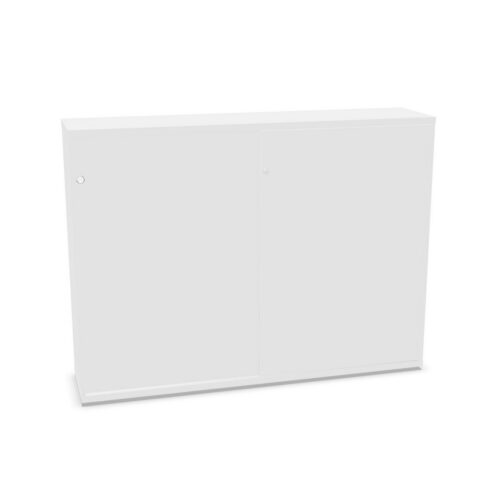
Beige describes a colour value, not every detail of a finish. Compare product images and written descriptions to understand how the selected model is presented. Consider the surrounding desks, storage and wall colours, and whether the cabinet should coordinate with or distinguish itself from the room scheme.
Different products may show different tones or surfaces within a broad colour group. Confirm stated finish details for the actual cabinet rather than inferring texture, sheen or material from the filter. If several units are planned, review candidates together and verify each product’s description.
Arrange contents across three shelves
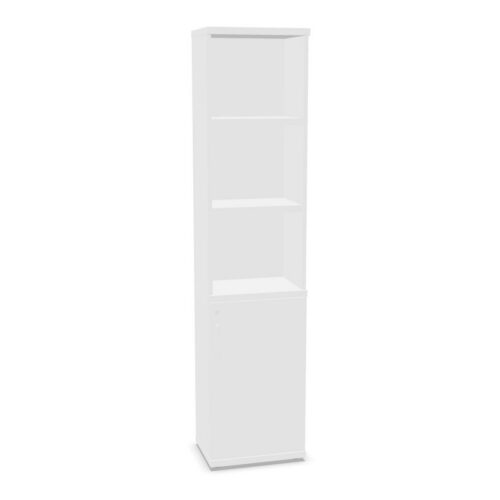
The filter indicates three shelves, but does not establish their dimensions, spacing or load capacity. Check the product information for the interior configuration before deciding what to store. Think about the size of the items, how they should be grouped and whether users can reach them comfortably.
A simple arrangement can separate supplies by purpose, team or frequency of use. Communicate the plan to colleagues and keep regularly needed items accessible, subject to the cabinet’s actual layout. Verify measurements for the selected product, especially when contents have specific size requirements.
Check placement and everyday access
Compare the cabinet’s stated dimensions with the intended location. Consider the routes people use, adjacent work surfaces and how the selected model opens. The storage should be reachable without obstructing movement or making common tasks awkward. Product-specific placement information can help determine whether the candidate suits the room.
If the cabinet is shared, decide who will maintain its contents and how often the arrangement should be reviewed. Assigning a clear storage purpose helps prevent unrelated items from accumulating. Consider the room as a whole so that colour, access and storage function work together.
