



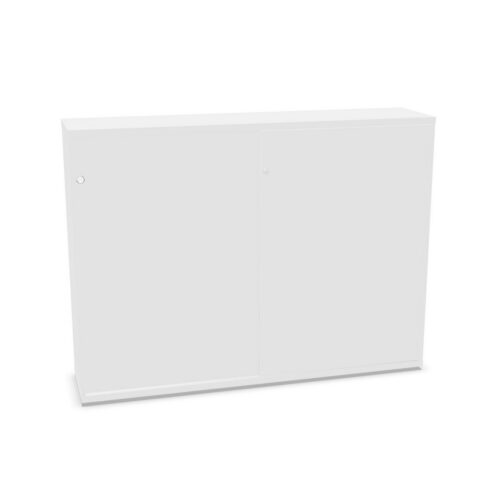
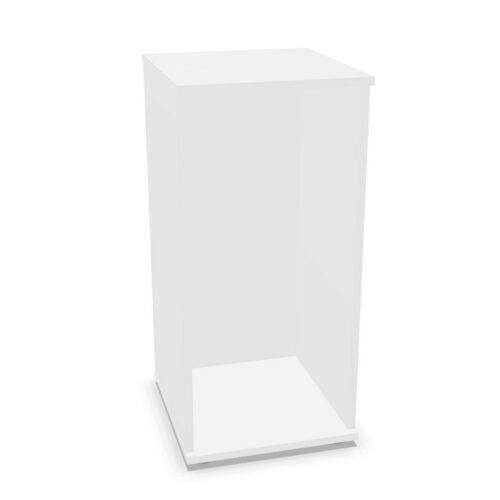


Assess transparent office cabinets in context
A transparent finish can create a different visual impression from an opaque colour, so consider the cabinet together with the room and its intended contents. Review the product imagery and description, then think about what will be visible from nearby work areas. Decide whether that visibility supports the design plan or whether the cabinet should be placed in a more contained area. The actual product details should guide the assessment.
Consider what is behind and around the cabinet as well as the cabinet itself. Walls, adjacent furniture and the materials being stored may influence how it appears within the office. If multiple units are planned, decide whether transparency should be consistent across the group or used selectively. These choices can help the team create a clear relationship between storage and the rest of the interior.
Choose contents and organisation with care
Think through what the cabinet will hold and how its users will retrieve items. The contents may be shared resources, documents or materials assigned to a particular group. Check the product’s described interior arrangement and opening method against the task. Since a transparent finish may make the contents more visually present, a clear organisation approach can be especially useful in shared environments.
Decide how materials should be grouped and who will maintain the cabinet. If it serves several colleagues, agree on a simple routine for returning items to their place. Consider whether certain contents should be kept together or separated for easier use. These decisions help the cabinet remain orderly and make its role understandable to people who rely on it.
