









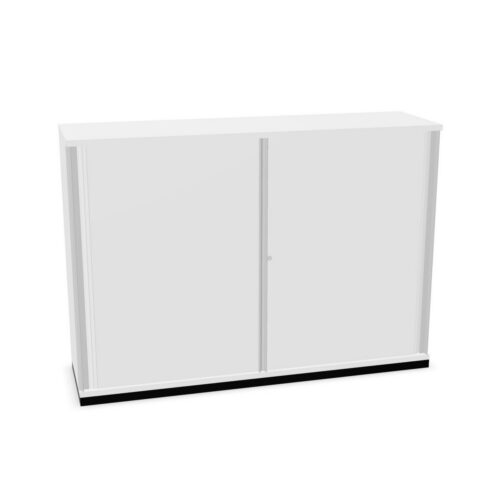
Confirm the plastic door details
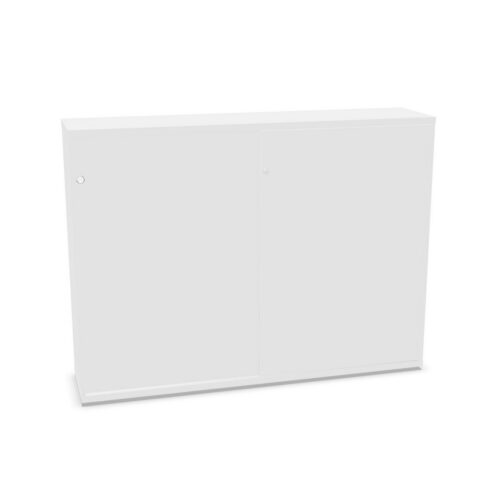
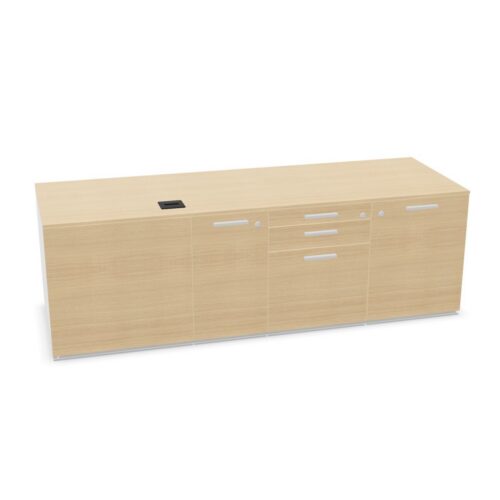
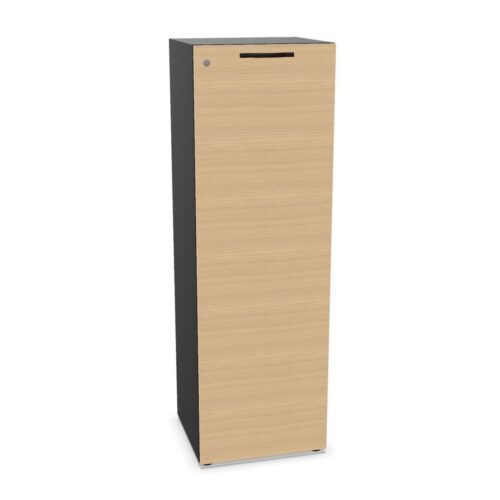
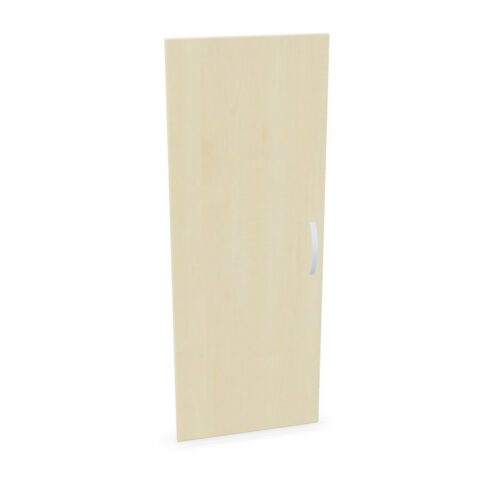
Plastic is a broad material category. Review the product for panel composition, finish, frame and hardware. If a specific material property matters, request formal documentation for the exact cabinet. The filter alone does not provide a complete construction description.
Use care advice for the selected plastic surface and other cabinet materials. Avoid unapproved cleaners or abrasive tools. Keep instructions with facilities records and check hinges and handles periodically.
Check the interior and filing options
The absence of a hanging-frame value does not describe all internal fittings or accessory compatibility. Confirm whether shelves are supplied and whether a frame can be added if required. Check product drawings and dimensions before planning storage.
If the cabinet will hold folders on shelves, measure them and consider door access. Make categories clear and place frequent-use documents within easy reach. Follow loading guidance for the cabinet and any shelves.
Organise shared materials
Set clear storage categories and decide who maintains them. Use labels where they help users return supplies or records to the correct area. Review the contents regularly and remove items that no longer support current work.
A plastic-door cabinet can still conceal its contents; do not assume panels are transparent based on material alone. Check the actual design and consider whether users need labels, an inventory or another method to locate materials.
Plan placement and maintenance
Measure the cabinet position and allow space for doors, handles and user approach. Review delivery and assembly instructions. Ensure that users can reach the interior and that the cabinet does not block circulation.
Follow product-specific care for plastic doors and the cabinet body. After installation, check door movement and access. Retain model details for cleaning, service or future relocation.
