









Assess silver in context
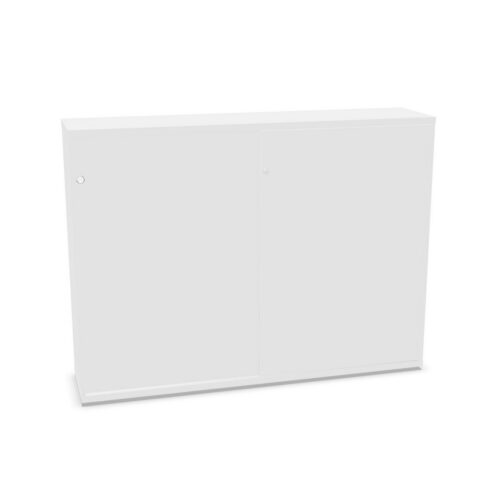
Review product images and written finish information with nearby furniture and surfaces. Silver may complement other materials or provide a clear contrast in the workplace.
The filter does not specify exact material, sheen or texture. Confirm those details for the chosen cabinet where relevant. When multiple units are planned, compare their listings together and verify each model individually.
Make three shelves practical
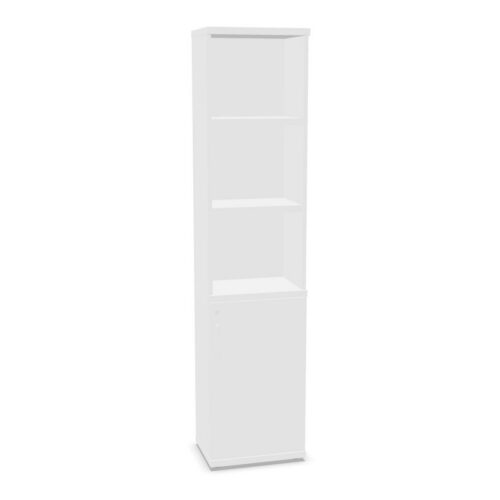
The three-shelf value does not establish dimensions, spacing or load capacity. Check the product’s interior details and compare them with the items to be stored. Consider how users will reach the levels and keep the contents organised.
Group supplies by purpose or frequency of use. Clear labels can help colleagues return items consistently. Confirm measurements for size-sensitive contents using the selected model’s information.
Plan placement and user access
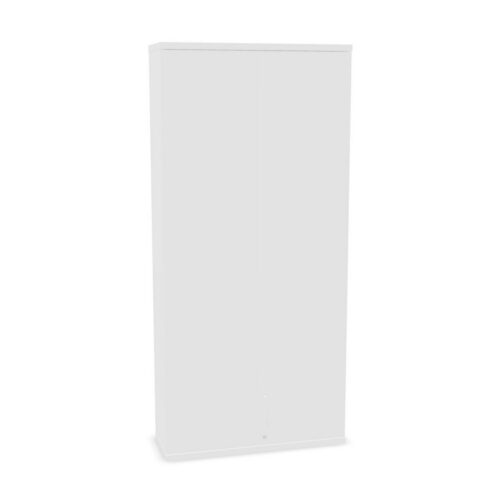
Check the cabinet’s overall dimensions and opening arrangement against the proposed location. Consider surrounding routes and nearby work surfaces. Users should be able to access the shelves without disrupting normal movement.
If the unit is shared, decide who reviews the contents and removes materials no longer needed. A clear purpose can help the storage remain useful.
Compare product details
Cabinets matching silver and three shelves may still vary in materials, doors and other features. Read each listing for verified specifications and care information.
Compare candidates with the intended contents, location and access requirements. Confirm project-specific details before choosing.
Connect to a wider storage system
Decide where related materials should be kept and communicate the division to colleagues. Clear categories can reduce duplication and searching. Keep labels consistent across the workplace.
Use product-specific information to assess the silver finish in context. A planned role and location can support the room scheme.
