









Plan a simple three-shelf arrangement
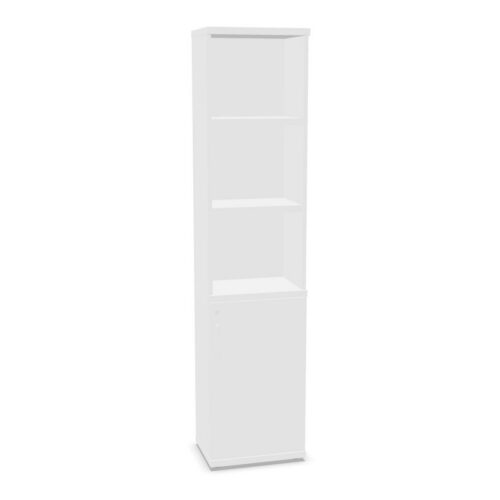
Three shelves can support a straightforward way to separate related materials, provided the arrangement reflects how people work. Consider grouping by activity, team or frequency of use, then check the product’s interior description against the contents. Do not assume the shelf count alone establishes capacity or suitability; the individual product’s configuration and the items involved should guide the plan.
For shared storage, explain what belongs on each level and how colleagues should return materials. An organisation plan works best when it is easy to remember and maintain. Consider whether all shelves need a distinct purpose or if some categories can share space. Keeping the structure practical can help the cabinet remain orderly without making the routine difficult for users.
Review the entire cabinet configuration
Check the opening style and how users will access the shelves in the intended location. Consider the type of materials involved and whether any of them need a different arrangement. Read the product-specific interior information and compare it with the storage brief. Similar shelf counts can still appear in cabinets with different overall layouts, so review each candidate on its own details.
Think about who will use the cabinet and how often contents move in and out. A shared resource point may need clear ownership, while a cabinet serving one group may follow a more specific system. Decide who will keep it organised and how the arrangement should change if the contents evolve. These questions help connect the three-shelf configuration with a sustainable workplace routine.
