

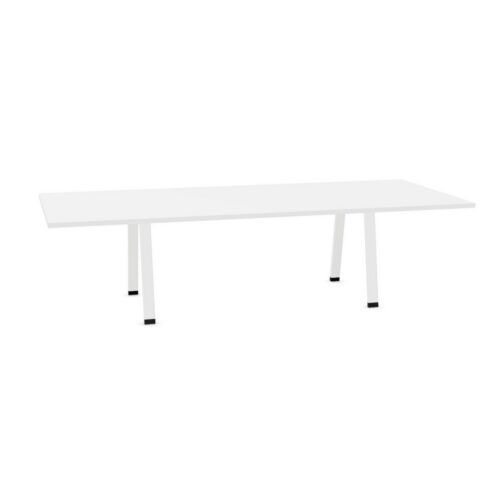
Brown Bases for Connected Conference Interiors

Conference tables with brown bases provide a brown color reference within the meeting room’s lower furniture layer. That reference can relate to flooring, storage or chair details, but it does not establish a material or construction. Begin with the colors already present and decide whether the base should create continuity or remain visibly separate. Brown surroundings can differ considerably, so a shared color description is only the beginning of the comparison.

Review the table position against the floor, then include the chairs and furniture seen beyond it. A base that appears distinct on its own may read differently when dark upholstery or another brown surface sits immediately behind it. Assess the entrance view and the seated view together. This helps you coordinate the palette while maintaining an arrangement that gives participants clear approaches, useful sightlines and convenient routes into and out of the meeting.

3 models
From €20.05 p/m
2 models
From €28.04 p/m
€9.29 p/m
€9.94 p/m
2 models
From €9.51 p/m
€31.41 p/m
€11.34 p/m
2 models
From €19.95 p/m
2 models
From €10.48 p/m
4 models
From €7.81 p/m
2 models
From €8.94 p/m
4 models
From €9.16 p/m

Comparing Conference Tables With Brown Bases and Floors

Brown flooring can provide a closely related background for a brown base, but the actual colors may differ in ways that become noticeable when they meet. Compare them at the intended table position and under the room's usual lighting. Decide if you want the base to connect visually with the floor or stand apart from it. If the floor contains several colors, assess the whole area beneath and around the table rather than an isolated patch. Keep the seating layout clear through its arrangement, so the room does not depend on the base being visually prominent to remain understandable.

Relating Brown to Existing Furniture

Storage units, doors and nearby tables may already introduce brown into the meeting setting. Establish which of these elements should relate to the base before seeking a match across the whole room. Their actual appearance matters more than a shared description, and a deliberate difference can be a coherent choice. Look at pieces that will be seen together from the entrance or across the table. If several browns compete for attention, consider whether the chair palette can provide separation. The objective is a considered relationship between visible elements, rather than identical color throughout every part of the workplace.

Keeping Chairs Distinct Within the Arrangement

With conference tables with brown bases, chair upholstery and frames can either repeat the brown reference or give it a separate background. Assess both components together. Dark chairs may create a closely grouped appearance around the base, while a different color may distinguish the seating more clearly. Review these alternatives through the actual room palette rather than assuming one is universally preferable. Pull chairs into their ordinary meeting positions and check the approaches between them. Their placement needs to accommodate how people enter, sit and leave, even where a more closely grouped arrangement might appear coordinated when unused.

Balancing the Lower and Upper Room Palette

The brown base occupies only part of the conference room's visual field. Compare it with the tabletop color, chair upholstery and the walls seen above the furniture. If brown already appears extensively below the tabletop, decide whether other parts of the room should repeat it or introduce a clearer difference. Review the view toward the main presentation or discussion point as well as the view toward the entrance. These directions may reveal different backgrounds behind the same furniture. A coordinated palette should remain understandable across normal meeting viewpoints without requiring every surface to share the base color.

Frequently Asked Questions

Does a brown base indicate a wood material?

No. Brown describes the selected base color. Conference tables with brown bases should not be assumed to use wood, veneer or any other material, nor to have a particular surface treatment, from that color designation alone.

Is matching a brown floor essential?

No. A deliberate contrast can work alongside a close color relationship. Compare the actual appearances in the room and decide whether the base should connect with the floor or remain a distinct part of the furniture arrangement.

How can several brown elements work together?

Identify which pieces should share a visual connection, then assess them from common meeting viewpoints. Use chair colors and the surrounding palette to separate different browns where needed, rather than expecting every brown reference to look identical.

Explore related selections