

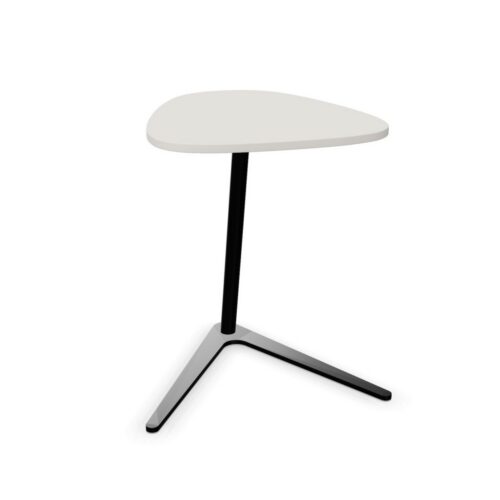
Manually Adjustable Conference Tables in Silver

Record a normal starting arrangement for the room, then establish when changing the table height would help the next activity. The distinction affects room preparation because the tabletop position can be changed manually. Silver remains a color description, without establishing the material or surface treatment of the base. Consider these properties together when planning a meeting space that needs a deliberate adjustment routine and a coordinated furniture palette.

Begin by identifying why the working position would change and who will make that adjustment. Review the actual operating method rather than assuming a crank or another specific mechanism. Chairs and nearby furniture should be assessed at the intended settings, with access left clear for operation. Silver-base manually adjustable tables also need to relate visually to the floor, chair frames and storage, so practical positioning and color decisions should develop alongside each other.

7 models
From €10.56 p/m
9 models
From €6.19 p/m
2 models
From €5.94 p/m

Planning manually adjustable conference tables with silver bases

Manual height adjustment adds a task to the room's preparation. Decide whether the level will normally remain in one position or change for particular uses. That decision should follow the intended meeting activities, not an assumption that an adjustable feature needs to be used at every session.

A fixed table has no height-setting task, while this combination allows the working level to change manually. Make that difference useful by establishing a clear preparation sequence. Set the table according to its operating instructions, review the chairs and then arrange the materials needed for the discussion.

Leave the Operating Area Usable

The actual adjustment mechanism determines where access is needed. Once that method is established, avoid placing storage, spare chairs or personal belongings where they obstruct operation. Do not assume a particular mechanism location or style from the manual-adjustment description alone.

Describe the working positions the room needs, then test the table with occupied chairs, connected equipment and clear access to each seat. Check nearby furniture and any equipment connections before a change. A clear operating area should remain part of the normal layout instead of depending on furniture being temporarily moved whenever adjustment is required.

Review the Chair Relationship at Each Intended Position

A changed working level can alter how a chair meets the tabletop. Consider the seated position, the approach to the surface and any interference from armrests. Evaluate those relationships at the settings intended for the room, rather than assuming that a suitable arrangement at one position will remain suitable at another.

Keep circulation in the assessment too. People need to reach their seats and move behind occupied chairs after the table has been prepared. Manual adjustment is a way to change the working level; it does not establish the table's suitability for every posture or remove ordinary seating considerations.

Coordinate Silver Without Assuming a Material Match

Compare the silver base with nearby chair frames and the floor. Similar colors can create a visual connection, but silver-colored elements may still differ in appearance. Assess the actual relationship instead of relying on the shared color name to provide an exact match.

Because silver does not identify a material, avoid building the room concept around an assumed metal construction or reflective finish. Start with the known color and how it sits within the broader palette. View it from seated positions and the entrance, where the background and prominence of the base may differ.

Frequently Asked Questions About Manual Silver Tables

What should I confirm about height adjustment?

The working height is adjusted manually. Review the actual procedure in the table’s instructions, then assess the intended positions with the chairs and equipment used in the room.

Should adjustment happen during a meeting?

Plan changes according to the actual operating instructions and the room's routine. Preparing the intended position before the discussion lets chairs and materials be arranged around it. No particular operating procedure can be inferred from manual adjustment alone.

Can silver bases be coordinated with colored chairs?

Yes, consider their relationship as part of the room's overall palette. Compare the actual colors and chair frames together. Establish the practical seating relationship first, then decide whether silver should connect with or contrast against the chairs.

Explore related selections