

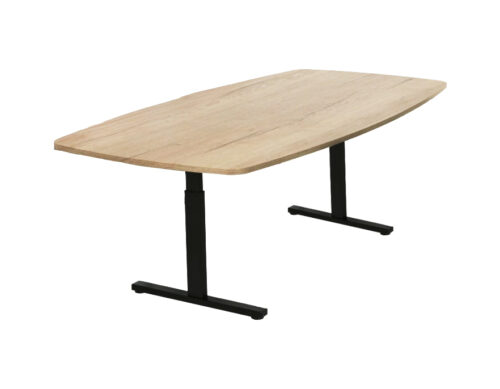
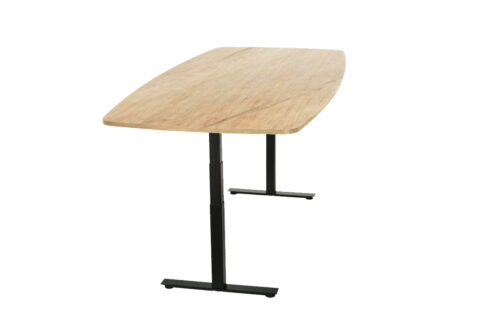
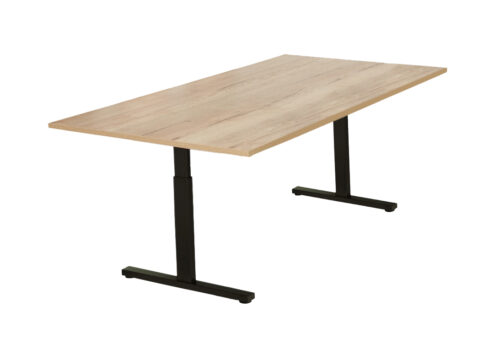
Oak-Color Conference Surfaces With Manual Adjustment

Keep the height-setting routine consistent with the room’s booking pattern so the next group knows how the furniture has been prepared. Oak is the surface color description here, rather than confirmation of the tabletop material. Consider the appearance alongside existing furniture, then assess whether changing the working level by hand supports the room’s activities and preparation routine.

An oak-color surface may relate to nearby doors, flooring or storage without being an exact match. Decide which of those relationships matters most from the meeting area and compare the finishes directly. Manual adjustment adds a practical task to room setup, so think about who prepares the table and when its working level would change. Review access around the chairs and nearby equipment as part of that routine. The color and adjustment method provide a starting point for planning without establishing other construction details.

€11.05 p/m
€27.04 p/m
€6.13 p/m

Start With the Room's Adjustment Routine

Describe the activities that require a different working level and where adjustment would fit between them. Manual height adjustment is most relevant when that task has a clear place in the room's routine. Consider who prepares the space, whether equipment remains on the tabletop and how chairs are arranged before the table level changes. Do not assume a particular adjustment mechanism from the description alone. Review the actual operation separately so the furniture plan supports access wherever it is needed, including during preparation and the reset after a meeting.

Planning manually adjustable conference tables with oak surfaces

A useful comparison separates the working arrangement from the surface appearance. Changes to the tabletop level need to work with chair positions, presentation views and the space people use when approaching or leaving the table. The selected combination adds manual height adjustment and specifies oak color. It does not establish that the tabletop is made from oak. Assess whether adjustment answers a recurring need, then consider whether the color belongs in the intended palette. This keeps both decisions tied to known characteristics rather than treating a familiar color name as evidence of material or construction.

Coordinate Oak Color With Permanent Room Elements

Doors and flooring often remain in place when meeting furniture changes, making them useful reference points for the tabletop's appearance. Compare the oak-color surface with those elements and with nearby storage. Decide if you want a close relationship or a deliberate difference. A general oak description does not establish an exact tone, and it need not match every wood-colored element in the room. Review the combination with chair upholstery in place, since seating affects how the tabletop and surrounding finishes appear together during a normal meeting.

Preserve Access Around the Adjustable Table

Plan the routes people use to reach chairs, shared materials and presentation equipment. Then consider the access required when someone prepares the table for a different working level. Nearby storage, spare chairs and temporary equipment can affect both activities, even when the tabletop's color coordinates well with the room. Place those items purposefully and review the arrangement with chairs occupied. Manual adjustment does not establish other features such as mobility or cable storage, so assess those questions separately instead of relying on assumptions when developing the meeting layout.

FAQ

Does oak color establish the tabletop material?

No. Oak is the selected surface color in this combination. It does not confirm solid oak, another oak construction or any particular grain. Compare the appearance with surrounding finishes, and assess material and maintenance requirements independently when they matter to the workplace.

How can shared teams prepare a manually adjustable table?

Agree when the working level should be set and who prepares the room. Include chairs, meeting materials and equipment in that routine. Base the practical steps on the actual mechanism, since manual height adjustment alone does not establish a particular method of operation.

What should I confirm about height adjustment?

The working height is adjusted manually. Review the actual procedure in the table’s instructions, then assess the intended positions with the chairs and equipment used in the room.

Explore related selections