

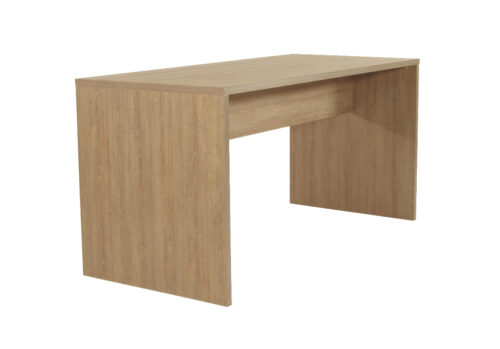
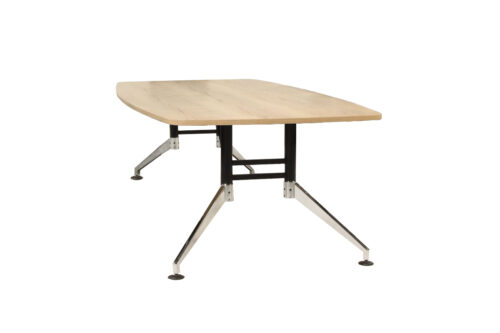
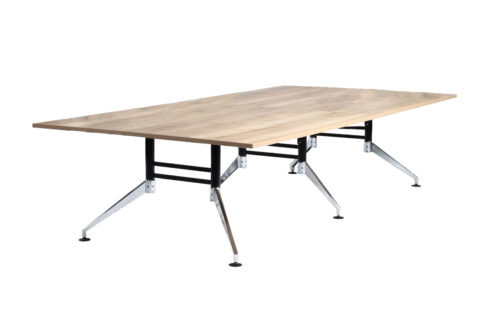
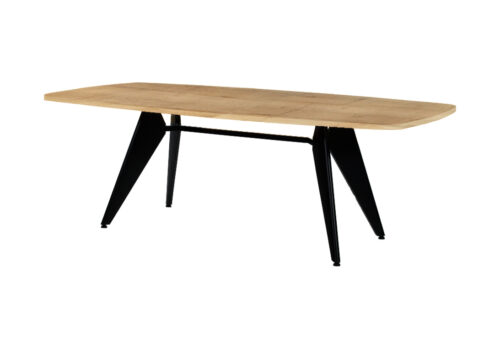
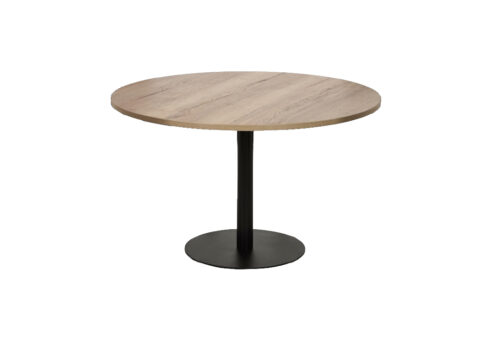
Oak-Color Meeting Tables With Fixed Height

Fixed-height conference tables with oak surfaces bring an oak-colored focal point to a room arranged for seated meetings. The working level remains unchanged, so the relationship between the tabletop and the chairs should lead the selection process. The oak surface color then helps connect the meeting area with surrounding finishes, whether the room already contains wood-colored doors and storage or uses a more varied palette.

Consider how the room works during an ordinary meeting before deciding how closely its finishes should match. Participants need a comfortable position for writing and discussion, along with straightforward routes to their seats. An oak appearance can be repeated elsewhere in the room, but coordinated tones do not need to be identical. Treat oak as the selected surface color rather than evidence of a particular material, and assess the actual appearance alongside the furniture that will remain.

€14.33 p/m
€16.17 p/m
€26.01 p/m
€10.84 p/m
€7.97 p/m

Coordinating Fixed-Height Conference Tables With Oak Surfaces

Begin with the wood-colored elements already visible from the meeting area. Doors, cabinets, and other furniture may each have a different tone, even when they share an oak description. Compare them together under the room's usual lighting. If their colors differ, decide whether the variation feels deliberate or whether another surrounding finish would provide a clearer connection. Repeating an oak reference throughout the room is optional. A table can also serve as the main wood-colored element among painted walls and upholstered seating. The useful question is whether the overall palette supports a coherent room, rather than whether every finish carries the same name.

Make Chair Compatibility the First Practical Check

Because the tabletop does not adjust in height, assess how the intended chairs position people for the work expected. Writing notes, referring to documents, and joining a discussion all require a comfortable relationship with the surface. Check that armrests do not prevent a natural approach to the table and that participants can sit with their feet supported. Where seat adjustment is available, consider its useful relationship with the fixed working level. This is also a reason to review existing chairs early when refreshing a conference room: keeping them may affect which table arrangement works well for the people using it.

Arrange the Room for Conversation and Shared Viewing

Fixed-height conference tables with oak surfaces should be positioned around the actual focus of meetings. If people mostly discuss work together, assess whether they can see one another without repeatedly shifting their chairs. If shared presentations are common, review the view toward the display from the intended seats. Keep the doorway and any frequently used storage accessible during an occupied meeting. The oak-colored surface contributes to the room's appearance, while the fixed working level establishes a consistent seated setup. Neither property determines the best orientation by itself; that decision comes from how discussion, documents, and shared viewing interact in the room.

Give the Oak Color Room to Read Clearly

Consider what will sit immediately beside and behind the table in the usual view. Several competing wood colors can make coordination harder to judge, while surrounding plain finishes may give the oak appearance a clearer role. This does not require an entirely neutral room. Chair upholstery, artwork, or a painted wall can introduce another color if the relationship feels considered. Review lighting as part of the same exercise, since the apparent color may differ between daylight and artificial light. Avoid drawing conclusions about texture, durability, or maintenance from the oak color alone; those are separate characteristics that need their own assessment.

Frequently Asked Questions

Must an oak-colored table match the doors?

No. Compare the tones in context and decide whether they work together. A deliberate difference can be easier to coordinate than an attempted match that looks inconsistent under the room's normal lighting.

Does the oak description mean solid wood?

The selected property describes surface color. It does not establish solid wood or any other construction. Use the oak appearance to plan the room's palette without treating it as a material specification.

When does this combination suit an established meeting room?

Fixed-height conference tables with oak surfaces are worth considering when the room centers on seated meetings and an oak-colored surface fits the surrounding finishes. Confirm chair compatibility and the working position before making appearance the deciding factor.

Explore related selections