

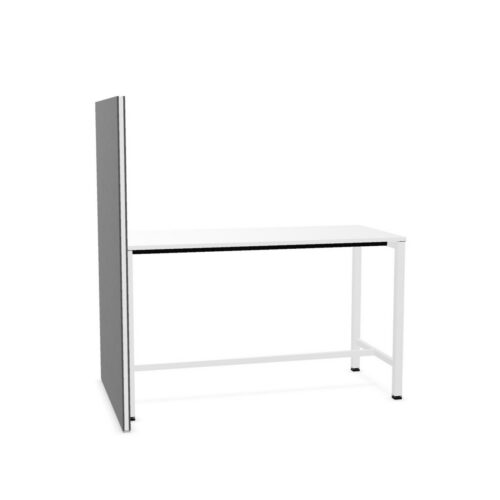
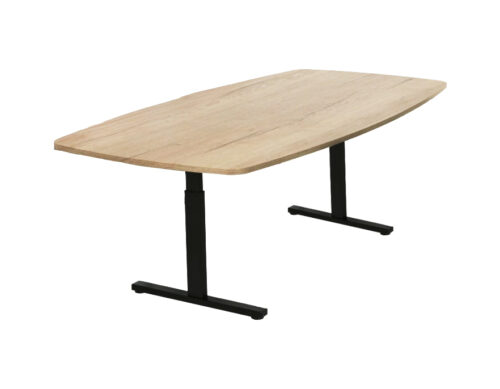
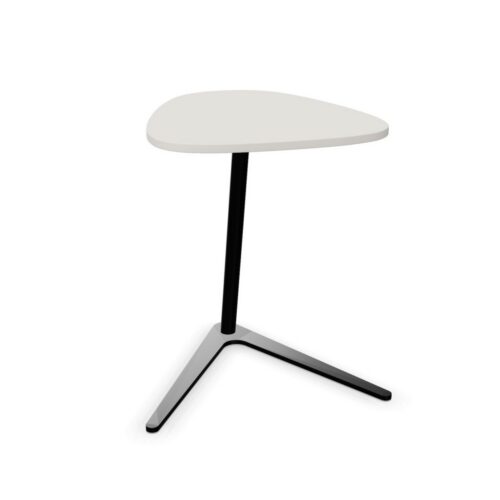
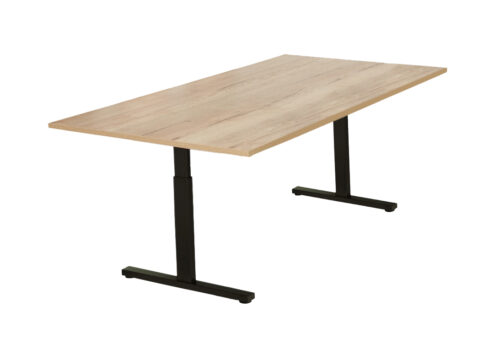
White Meeting Tops With Manual Adjustment

Before agreeing an adjustment routine, confirm that users understand the relevant instructions and know how the room should be left for the next session. This combination instead pairs that surface color with manual height adjustment. Consider whether changes in working level belong in the room’s routine, and how someone will prepare the table before use. The white appearance shapes the palette, while the manual adjustment method affects the sequence of room setup.

White surfaces should be considered alongside the actual walls, chairs and storage rather than treated as an automatic match for every light finish. Compare those elements together and decide whether the table should blend in or stand apart. Then review the space around the table for both meeting access and manual adjustment. Nearby furniture and equipment need purposeful positions, especially where the room is shared by teams with different preparation habits or preferred working arrangements.

3 models
From €10.66 p/m
7 models
From €10.56 p/m
€11.05 p/m
9 models
From €6.19 p/m
2 models
From €5.94 p/m
€6.13 p/m

Compare White With the Room's Other Light Finishes

A white tabletop and white storage may share a color description without looking identical together. Compare the actual finishes alongside wall colors, flooring and chair upholstery. Decide whether a close relationship is important or whether a deliberate difference will better define the meeting area. Keep the decision focused on appearance rather than assuming particular surface properties. White alone does not establish material, texture or reflectivity. Consider the room from the entrance and from a seated position, where the tabletop will be seen against different combinations of furniture and background finishes.

Planning manually adjustable conference tables with white surfaces

Begin with the working routine the room needs to support. A clear adjustment routine for manually adjustable conference tables with white surfaces should identify who prepares the table and the arrangement expected after each session. Consider when the level would need to change, who would make that change and whether it fits the preparation time between sessions. The white surface can be assessed separately as a visual choice. Keeping these questions distinct prevents a preferred color from deciding the operating arrangement. It also makes the comparison more useful for teams that share a room but use it in different ways.

Arrange Furniture for Hands-On Preparation

Manual adjustment means the room plan should account for the person preparing the table, as well as the people attending the meeting. Review access around the table with chairs and equipment in their usual positions. The selected characteristics do not establish the adjustment mechanism, so avoid assuming where a particular control or handle will be. Record a normal starting arrangement for the room, then establish when changing the table height would help the next activity. Include the return of chairs and materials after use, so the next group can prepare the room without moving unrelated items.

Check the Layout With Meeting Materials in Place

Review the table as part of a working meeting room, including the documents, laptops or shared materials normally used there. Their placement may affect access during preparation and the change of working level. Consider the relationship between chairs, presentation equipment and routes to the entrance when the room is occupied. The white tabletop contributes to the visual arrangement, but the practical layout needs its own assessment. Keep temporary storage and spare equipment in planned locations so the room remains straightforward to prepare for the next activity or group.

FAQ

Will a white tabletop match white walls?

Not necessarily. Compare the actual finishes together because the same general color description does not establish an identical appearance. Review the tabletop with the chairs and floor as well, and decide whether continuity or a visible difference better suits the room.

Does manual adjustment specify a particular mechanism?

No. It establishes that height adjustment is carried out manually, without identifying the operating method. Assess that method separately when planning access and room preparation. Do not assume the position of a control or the steps involved from the adjustment description alone.

What should I confirm about height adjustment?

The working height is adjusted manually. Review the actual procedure in the table’s instructions, then assess the intended positions with the chairs and equipment used in the room.

Explore related selections