

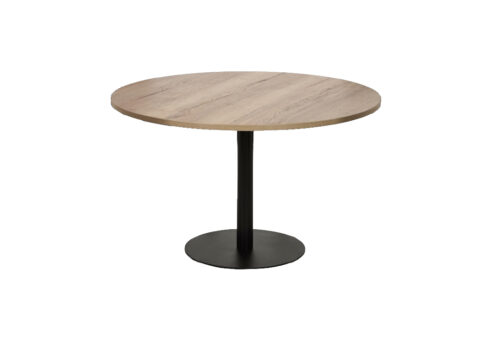
Aluminum-Color Bases for Fixed-Height Conference Tables

Fixed-height conference tables with aluminum bases combine a constant working height with an aluminum base color. Aluminum identifies the color here; it does not establish what the base is made from. With height adjustment absent, the practical focus is the fit between the table, the intended chairs and the meeting routine. The color decision belongs alongside that assessment, particularly where the room already includes similar tones in furniture details or surrounding fixtures.

Plan the seated working position first, then review how people approach and move around the table. Include chairs pulled back from the surface and access to frequently used room features. For visual coordination, compare the aluminum color with existing chair frames and storage details under normal lighting. Avoid assuming a particular sheen or surface treatment from the color name. A coherent arrangement should connect the table’s fixed working position with the room’s everyday use.

€7.97 p/m

Planning Fixed-Height Conference Tables With Aluminum Bases

The absence of height adjustment makes chair compatibility a central decision. Assess the seated relationship with the working surface, including how people read, write and turn toward shared material. Check the intended chairs directly instead of relying on their appearance or their suitability in another room with a different table.

Consider the meeting routine as well as individual seating. A room used for recurring discussions may need a consistent arrangement, while document review introduces different demands on how participants share materials. Fixed-height aluminum-base tables should be assessed against those actual activities, with the working position treated as constant throughout.

Separate Aluminum Color From Construction Assumptions

The aluminum designation is a base color, so it should guide palette decisions without implying a particular material. It also does not specify sheen, texture or reflectivity. Review the actual appearance before deciding how it relates to nearby furniture, especially where several similar neutral tones are already present.

Look for a deliberate connection with chair frames, storage details or other visible elements. A close color relationship may suit the room, but it is not necessary to repeat the tone everywhere. Judge the complete arrangement from the entrance and from occupied seats, where the base may appear against different backgrounds.

Review the Space Beneath and Around the Table

Base color does not tell you how the supports are arranged. Check the actual relationship between the base and intended seating positions, including where people place their feet and how chairs move toward the surface. This is particularly relevant when existing chairs will remain part of the room.

Continue the assessment beyond the table itself. Follow the routes from the door to the seats, storage and presentation area. Include chairs moved away from their working positions. A layout should remain understandable during arrival and departure, rather than depending on every chair being neatly tucked in throughout the meeting.

Compare Alternatives Against a Consistent Room Brief

Set out the room's essential activities, seating requirements and color relationships before comparing table arrangements. This keeps attention on the chosen combination: a fixed working height and an aluminum-colored base. Assess the arrangement with the equipment and meeting materials normally present, without assuming any additional table features.

When comparing fixed-height conference tables with aluminum bases with adjustable alternatives, identify whether a changing working position has a clear purpose. If your routine uses a constant position, concentrate on how well that arrangement supports participants. Keep the same visual criteria across the comparison so color preference does not obscure seating or circulation issues.

Questions About Aluminum-Color Fixed-Height Tables

Does aluminum describe the base material?

It describes the selected base color. Do not infer construction, surface treatment or other material properties from that designation when assessing the table for a meeting room.

What matters most when reusing chairs?

Check the seated working relationship, armrest interaction and access around the actual base. The table has no height adjustment, so evaluate the complete arrangement directly.

Should other room details match the base color?

Matching is optional. Similar tones can create continuity, while a different palette can distinguish the table. Review both choices in the room's usual lighting and furniture arrangement.

Compare how fixed-height conference tables with aluminum bases relates to chair positions and shared views in the intended room.

Explore related selections