

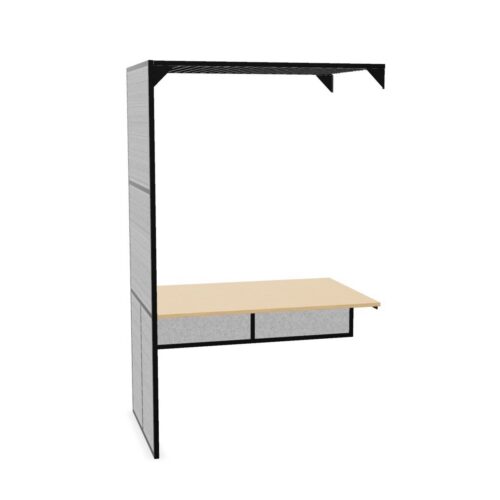
Fixed Meeting Height With Gray Bases

Fixed-height conference tables with grey bases bring a consistent working level and a neutral base color to meeting rooms. With no height adjustment, the relationship between the table and the chairs deserves attention from the start. Consider how people sit, place their feet and move into position during everyday discussions. The gray base can connect visually with surrounding furniture, while its exact appearance should be considered alongside the room’s lighting and floor color.

This combination suits planning around an established meeting routine. The table remains at its set height, so seating choices and room arrangement carry the responsibility for accommodating different participants. Fixed-height tables with gray bases can form a quiet visual foundation, leaving other room elements to provide contrast. Keep circulation routes clear and assess the complete seating arrangement before deciding where the table belongs, especially when chairs face a shared screen or presentation wall.

2 models
From €18.78 p/m
11 models
From €21.26 p/m
10 models
From €16.65 p/m
9 models
From €22.04 p/m
3 models
From €125.11 p/m
4 models
From €13.30 p/m
11 models
From €8.94 p/m
3 models
From €35.88 p/m
5 models
From €41.00 p/m
2 models
From €41.00 p/m
9 models
From €96.74 p/m
6 models
From €41.00 p/m
8 models
From €54.73 p/m
4 models
From €51.25 p/m
8 models
From €41.00 p/m
4 models
From €30.13 p/m
€10.50 p/m
2 models
From €4.93 p/m
3 models
From €2.38 p/m
2 models
From €6.73 p/m

Planning Around Fixed-Height Conference Tables With Grey Bases

A fixed working height makes the table-to-chair relationship a central selection question. Start with the chairs people will actually use, then consider their seated position against the tabletop. Participants should be able to approach without having to sit sideways or leave an awkward gap. Adjustable seating may help accommodate individual preferences, but it does not change the table itself. Review armrest clearance and where feet will rest rather than relying on visual alignment alone. This assessment is particularly useful in rooms used by different teams, where the same furniture must support varied seated habits throughout the working day.

Use Gray to Connect the Lower Room Palette

The base color is most visible below the tabletop and between chairs. Think about what surrounds that area: flooring, nearby storage and the lower parts of other furniture. Gray can be repeated for continuity or placed against a different color to define the table more clearly. An exact color match should never be assumed from a general color name. Consider the base in the room's actual light, including changes between daylight and artificial lighting. Keep the wider palette deliberate so that the base contributes to the room without requiring every visible element to use the same color.

Arrange Seating Before Finalizing Circulation

Fixed-height conference tables with grey bases need a layout that works when the room is occupied, not only when chairs are tucked away. Picture someone arriving late, another person stepping out and a colleague moving toward a presentation area. Those movements should not depend on everyone else shifting their chair. Check the route from the entrance to the seating positions and consider whether nearby doors or storage need access during meetings. Because the working height cannot change, use chair placement and table orientation to resolve awkward approaches. A clear arrival route also helps visitors understand where to sit.

Match the Room to Its Established Meeting Routine

A room used mainly for seated discussions can be planned around a consistent table height. Think through the activities that recur: reviewing documents, taking notes and turning toward a shared display. Position the furniture so those changes of attention feel straightforward. If the room also needs a substantially different working posture, assess that requirement separately rather than expecting a fixed table to adapt. The gray base addresses visual coordination; it does not determine how the room functions. Keep those decisions connected but distinct, giving equal attention to the daily meeting routine and the surrounding interior.

Frequently Asked Questions

Can the working height be changed?

No. Fixed-height conference tables with grey bases have no height adjustment. Choose seating and plan the room around the established working level, checking the seated relationship before settling on an arrangement.

Must the chairs have gray bases too?

No. Matching can create continuity, while a different chair color can provide contrast. Judge the combination against the floor and surrounding furniture rather than treating identical colors as a requirement.

What should be checked near the entrance?

Review the approach with chairs in use. People should be able to reach their seats and leave the room without the entrance route being blocked by pulled-back chairs or nearby furniture.

Explore related selections