

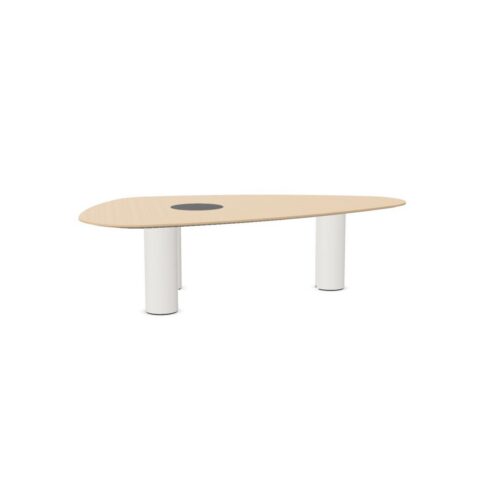
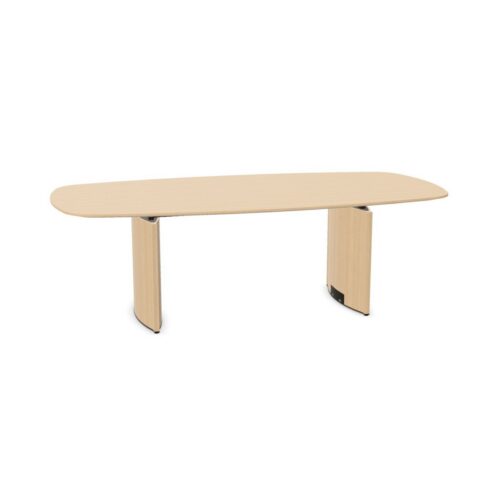
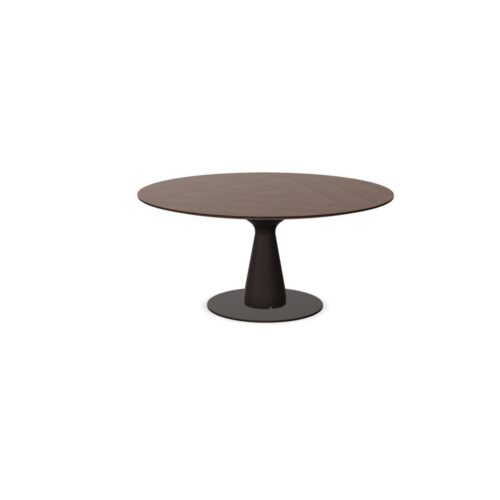
Beige Bases for Fixed Conference Settings

Fixed-height conference tables with beige bases combine an unchanging working level with a base color that can sit comfortably within a restrained interior palette. This pairing suits meeting rooms where the table remains at an established height and the seating arrangement follows a familiar pattern. Beige introduces color below the tabletop without requiring the base to become the strongest visual element in the room. Consider it alongside the floor, chairs and nearby storage, since these elements shape how clearly the base stands out.

With fixed-height beige-base tables, chair compatibility deserves attention from the start. The table cannot be raised or lowered to resolve an awkward relationship between the seat and working surface. Review how people approach their places, sit during discussions and move away afterward. A coordinated color scheme supports the room visually, while a carefully considered seating layout makes the fixed working level practical for its intended use.

4 models
From €13.30 p/m
11 models
From €8.94 p/m
4 models
From €6.03 p/m
4 models
From €59.03 p/m
€14.84 p/m
3 models
From €15.35 p/m
5 models
From €14.84 p/m
3 models
From €9.35 p/m
3 models
From €55.87 p/m
€16.90 p/m
€119.06 p/m
2 models
From €17.92 p/m
3 models
From €25.22 p/m
11 models
From €15.25 p/m
4 models
From €23.04 p/m
5 models
From €16.03 p/m
9 models
From €14.80 p/m
8 models
From €12.16 p/m
8 models
From €30.83 p/m
7 models
From €21.96 p/m
30 models
From €16.42 p/m
6 models
From €11.54 p/m
3 models
From €90.74 p/m

Planning Around Fixed-Height Conference Tables With Beige Bases

Begin with the way the room operates during an ordinary meeting. If people usually work from the same seating arrangement, a fixed table height provides a consistent reference for positioning chairs and shared materials. Walk through the arrival, discussion and departure stages before settling the layout. People should be able to reach their places without passing through another participant's immediate working area.

The beige base belongs in this planning exercise too. Check whether it remains visually distinct from the floor, especially along routes people use when entering or leaving their seats.

Coordinate Beige With the Surrounding Palette

Beige can connect with pale walls, muted upholstery or warmer floor colors, but the result depends on the particular shades already present. Compare the base color with its immediate surroundings rather than treating every beige element as an automatic match. A similar palette can create continuity; a difference in tone can make the table structure easier to distinguish.

Fixed-height conference tables with beige bases also allow color decisions to remain separate from height decisions. Establish whether the fixed working level suits the room first, then judge how the beige contributes to the overall interior.

Give Chair Fit Priority Over Visual Matching

A chair that looks coordinated may still feel awkward at the table. Consider the relationship between the seated position and the tabletop, including whether armrests interfere with moving closer. Because the table height stays unchanged, adjustments available through the seating become especially relevant. Assess the combination as people will actually use it, with papers or other ordinary meeting materials in front of them.

Leave room for chairs to move back naturally. A tidy arrangement when every chair is tucked in does not necessarily provide a comfortable route when a meeting is underway or someone needs to leave early.

Organize the Room Around a Stable Working Level

Place frequently used room elements where participants can reach them without disrupting the discussion. Shared writing surfaces, presentation areas and storage should relate to the table's established position. Keep the route from the door understandable, and avoid using spare chairs as temporary storage along that route.

For fixed-height conference tables with beige bases, a useful final review combines function and appearance. Sit at the proposed positions, check the route behind occupied chairs and view the beige base against the floor. These checks address different needs without assuming that a coordinated color scheme resolves the practical layout.

Frequently Asked Questions About Fixed Beige Tables

Does a beige base determine the tabletop material?

No. Beige identifies the base color only. It does not establish the tabletop material, surface treatment or construction. Consider those details separately if they matter to the room, while keeping the fixed working height central to the seating decision.

Can chair adjustments compensate for a fixed table height?

They may help establish a workable seated position, depending on the chairs involved. Assess the table and seating together. The fixed table itself cannot be raised or lowered, so a visual match between the two is insufficient.

Should the floor match the beige base exactly?

An exact match is unnecessary. Compare the colors in the room and consider whether the base remains easy to distinguish. Both continuity and contrast can work, provided the combination supports a clear, considered meeting space.

Explore related selections