

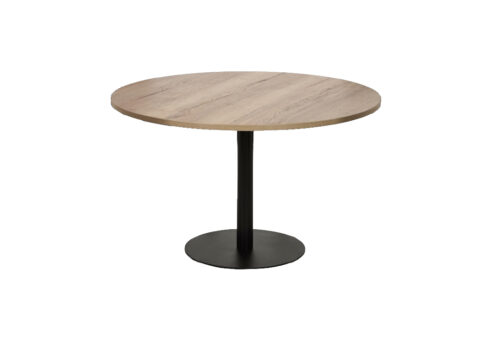
Aluminum Base Color for Conference Rooms

Conference tables with aluminum bases offer a starting point for coordinating the lower part of a meeting room with its surrounding furniture. Here, aluminum identifies the base color; it does not establish the material or construction. Consider that color alongside chair frames, floor finishes and nearby storage. These elements share the same field of view beneath the tabletop, so their relationship deserves attention when planning a room for regular discussions, presentations and collaborative work.

Begin with the features of the room that will remain in place. Existing chair frames may provide a useful reference, while the floor determines whether the base stands apart or becomes less noticeable. Review the arrangement from the doorway and from a seated position. A combination that appears coordinated in an empty room can read differently once chairs, bags and everyday meeting equipment occupy the space around the table.

€7.97 p/m

Coordinating Conference Tables With Aluminum Bases

Decide whether the base should repeat an existing color or introduce a separate reference within the room. Chair frames, cabinet handles and other visible details can help establish that direction, but they do not need to match exactly. Compare their actual appearance rather than relying on similar color names. If several surrounding elements already differ, introducing another close approximation may make the arrangement feel less deliberate. A clearer relationship can come from repeating the aluminum base color in a limited part of the setting while allowing the floor and upholstery to provide contrast.

Reading the Base Against the Floor

The floor forms the immediate background for the table base. Review this relationship where the table will stand, including the view across the room toward windows or internal glazing. Floor patterns may make the outline less obvious, while a more uniform background may give it greater visual emphasis. Neither outcome is automatically preferable. Decide whether the table should be a clearly defined meeting point or sit more quietly among existing furniture. Keep practical routes easy to understand through furniture placement, and leave the approach to chairs unobstructed regardless of how noticeable the base appears.

Comparing Chair Frames and Upholstery

When assessing conference tables with aluminum bases, look at complete chairs rather than frame colors alone. Upholstery may dominate the view when people are standing, while frames become more apparent across an unoccupied room. Place these different views within the same decision. Repeating the base color in every chair is an option, but a deliberate contrast can be equally coherent. Check how the chosen chairs relate to the actual base arrangement when pulled back for use. Color coordination should support a workable seating layout without determining where people must sit or how they enter.

Checking the Room During Everyday Use

Review the palette under the lighting used for routine meetings. Daylight and electric lighting can change how adjacent colors appear, so a comparison made near a window may not settle the decision for the whole room. Include nearby storage and any visible equipment in the assessment. If the room also accommodates presentations, consider the view toward the screen and the background seen by participants joining remotely. The base color can contribute to a coordinated setting, but it does not establish screen visibility, cable arrangements or suitability for any particular meeting format.

Frequently Asked Questions

Does aluminum base color establish the material?

No. The selected property identifies color only. Conference tables with aluminum bases should therefore be assessed for their appearance without assuming a particular metal, construction method, surface treatment or other unconfirmed characteristic.

Should the chairs use the same base color?

Matching can create a repeated visual reference, but it is not essential. Compare the chair frame and upholstery together, then decide whether repetition or a clear contrast works better with the floor and surrounding furniture.

Which viewpoint is most useful when comparing colors?

Use several everyday viewpoints: entering the room, sitting at the table and looking across the seating area. Each reveals a different relationship between the base, chairs and floor, helping you judge the complete arrangement.

Explore related selections