

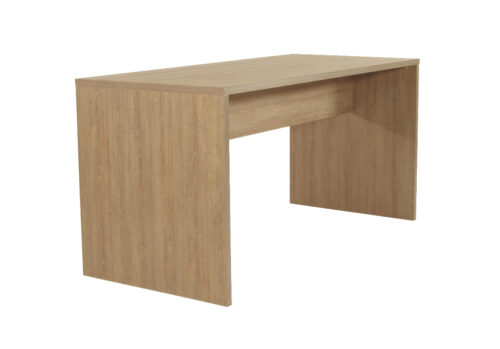
Oak-Color Bases in Non-Stackable Meeting Spaces

Non-stackable conference tables with oak bases combine an oak base color with a clear limitation on storage arrangements. The table cannot be stacked, so its regular position and any alternative destination need to be considered together. Oak describes the base color here, rather than confirming a particular material. Use that color as a reference for the room’s palette while assessing how people will approach the table, take their seats and move between meeting activities.

The useful starting point is the room’s routine. If discussions usually follow the same arrangement, focus on a well-planned everyday position. If the room must be cleared, establish where the table will go without relying on stacking. Compare the oak color with nearby flooring, doors and storage under normal lighting. An intentional relationship between those elements can give the setting coherence without requiring all wood-toned furnishings to look alike.

€14.33 p/m

Plan Non-Stackable Conference Tables With Oak Bases

Think through the room from arrival to departure. Participants need to find their seats, see shared information and leave without disrupting the whole discussion. Place the table in relation to those movements, then assess how the chairs occupy the surrounding space during an actual meeting rather than only when tucked away.

Non-stackability makes the table's usual position especially relevant when floor space must serve other activities. Decide whether the room can support those activities around the table or whether relocation is necessary. That decision should come from the work being done, with the oak base color considered as part of the resulting arrangement.

Relate Oak Color to Existing Furnishings

Select a clear visual reference for the base. Existing doors, storage or flooring may already establish an oak or other wood-toned palette. Compare the colors directly instead of assuming they will match. Differences can work when they appear intentional and are considered alongside the chairs and surrounding wall colors.

Review the setting under the lighting used for discussions and presentations. Look from the doorway as well as from seated positions, because the balance between base, floor and chairs changes with the viewpoint. Keep the emphasis on visible coordination. An oak color description does not establish the construction or other physical characteristics of the table base.

Make Any Storage Plan Work Without Stacking

If non-stackable conference tables with oak bases need to leave the room, identify a practical holding area before establishing a reset routine. The destination must accommodate the intended furniture arrangement without stacking. Include chairs and temporary equipment in the plan, rather than treating the table as the only item that moves.

Check the route and handling requirements against the actual furniture. Keep access to entrances, shared storage and neighboring work areas available. A holding area that works only when another room happens to be empty may not support a dependable routine. Plan the return arrangement too, so the next discussion can begin in a familiar setting.

Balance a Settled Appearance With Everyday Use

An oak-colored base can connect the table visually with existing furnishings, but the room must also support ordinary movement and preparation. Provide sensible places for bags and temporary materials. Check that chairs can be pulled back and that people can reach the presentation area without navigating around belongings.

Agree on how the room should be left after meetings. If the table remains in place, a consistent chair arrangement may be the main reset task. If it moves, make the destination and return position clear. Reassess these habits when the room's use changes. Non-stackability sets a storage condition, while the broader layout should respond to the activities taking place.

Frequently Asked Questions

Does an oak base color indicate oak construction?

No. Oak is the base color for this combination. Assess material and construction information separately, and use the visible tone when coordinating the table with the room's furnishings.

Should these tables stay in position between meetings?

That depends on room use and verified handling information. They cannot be stacked, so any relocation requires a suitable destination and a workable route that preserves access elsewhere.

How can oak-colored tables work with different wood tones?

Choose an intentional relationship rather than assuming an exact match. Compare the base with nearby floor, door and storage colors, then assess the chairs within the same setting under normal meeting lighting.

Compare how non-stackable conference tables with oak bases relates to chair positions and shared views in the intended room.

Explore related selections