


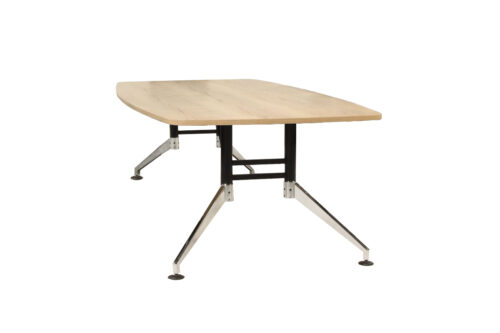
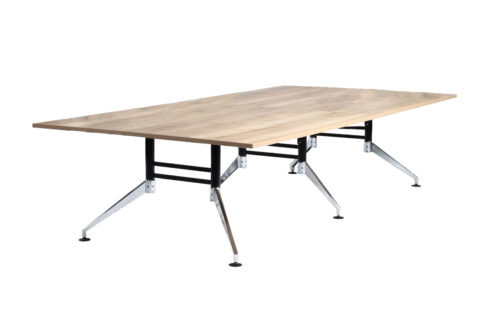
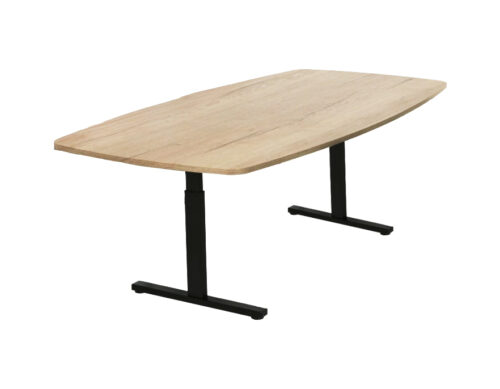
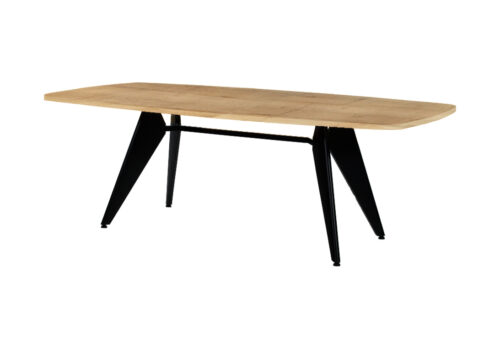
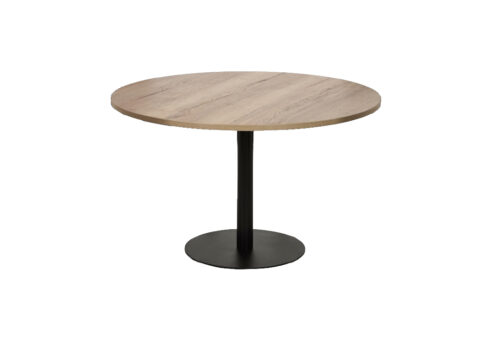
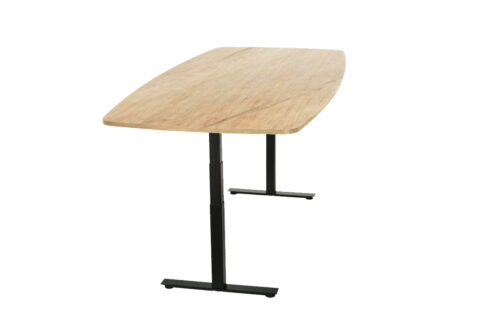
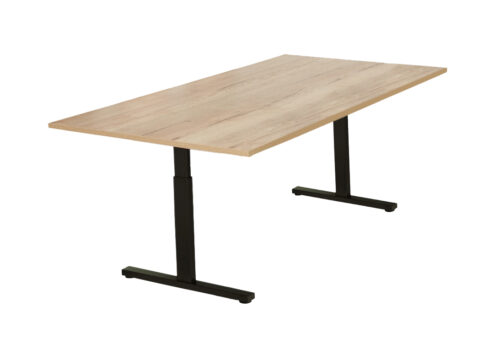
Place Non-Stackable Conference Tables With Black Bases
Choose a position that reflects the room's most frequent use. Consider where participants enter, how they approach their seats and where shared information is presented. Since stacking is unavailable, the table's ordinary position deserves careful thought even when the room occasionally serves another purpose.
Assess the arrangement with chairs occupied and pulled back. Keep access to the entrance and shared equipment understandable. A black base may be more or less visually distinct depending on the flooring, so examine its actual position rather than judging movement space from color contrast alone. Physical access needs its own assessment.
Provide a Destination for Occasional Relocation
If the room must be cleared, decide where the table will go before establishing a reset routine. Non-stackable tables need a storage or holding arrangement that does not rely on placing them on top of each other. Check the destination and the route to it against the furniture's actual handling requirements.
Include chairs and temporary meeting equipment in the same plan. Moving a table out of the discussion area is only useful if the destination remains accessible and surrounding rooms can still function. Keep the intended storage location distinct from entrances and everyday circulation so a room change does not create another obstruction.
