


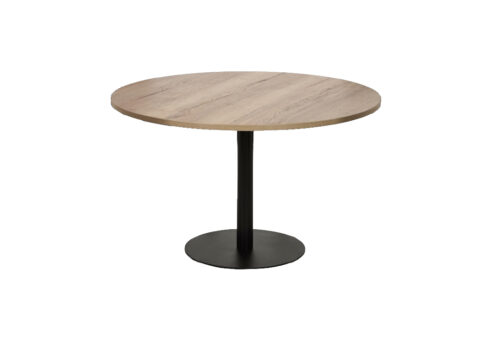
Assess Non-Stackable Conference Tables With Aluminum Bases
Begin with the meeting pattern rather than the color. Determine whether the table is expected to remain in position or leave the room for other activities. Non-stackability makes that distinction relevant because a cleared meeting area needs somewhere else to accommodate the table without placing it on another table.
Then review the aluminum base color within the intended arrangement. Look at the floor, chair frames and nearby furnishings together. The color can create a connection between separate elements, but that visual relationship does not answer questions about storage or repositioning. Resolve the functional arrangement and the room palette as related but distinct decisions.
Compare Aluminum Color With Existing Details
Select the surrounding elements that should guide coordination. Chair frames, door details or storage fittings may already establish a similar color reference. Assess whether the table base should continue that relationship or introduce a separate tone. Matching every visible detail is unnecessary if the overall room remains visually coherent.
Use the room's normal lighting for the comparison. Daylight and artificial lighting may alter how nearby colors appear together. View the base from the entrance and from seated positions, where different details become prominent. Avoid drawing conclusions about material, surface treatment or maintenance solely from the aluminum color description.
