

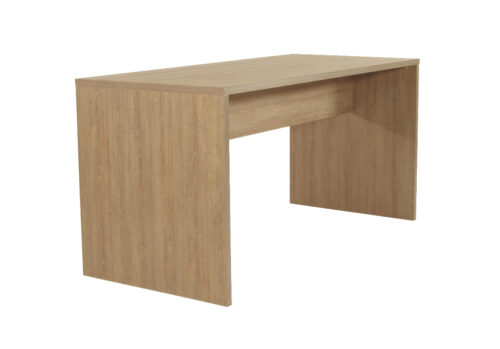
Dark Gray Oak Tones Without Stacking

Non-stackable conference tables with dark gray oak bases bring a specific base color into a meeting arrangement that cannot be stacked for storage. Dark gray oak should be treated as a color reference rather than a statement about construction material. Consider how that tone relates to the floor and chairs, then assess whether the table will stay in its usual position or need a separate destination when the room changes use.

This combination calls for attention at floor level. The base sits visually beside chair frames, floor finishes and any belongings left near seats, while non-stackability affects where the table can go between activities. Compare the dark gray oak color with existing gray and wood-toned elements in the actual room. At the same time, walk the route between the meeting position and any proposed holding area so appearance and room operation are considered together.

€14.33 p/m

Place Non-Stackable Tables With Dark Gray Oak Bases

Establish the table's usual relationship with the room entrance and presentation area. Then position chairs around the activities that happen most often. A useful everyday arrangement should let participants reach their seats and leave the room without unnecessary disruption, while keeping shared information visible from the intended seating positions.

Check the setting with chairs occupied and moved back. The dark gray oak base color may relate closely to some floor or chair colors, so assess the actual furniture position separately from its visual contrast. A base that appears integrated with the room still occupies space that must be accounted for in circulation.

Compare Dark Gray Oak With Nearby Tones

Look for the room elements that provide the most relevant color references. Gray seating, wood-toned storage or a patterned floor may each influence how the base appears. Choose which relationship should lead rather than trying to coordinate with every visible furnishing at once. A deliberate difference can be clearer than an uncertain near match.

For non-stackable conference tables with dark gray oak bases, direct comparison is particularly useful when several gray or wood-inspired colors are already present. Review them under normal meeting lighting and from different positions. Use the color to guide the interior arrangement without drawing conclusions about the base's material, texture or construction.

Work Out What Happens Between Activities

Non-stackability needs to be reflected in any plan to clear the room. Identify where the table will stand and how chairs or temporary equipment will be accommodated at the same time. The holding arrangement should work without placing tables on top of each other or obstructing everyday workplace routes.

Assess the route and handling requirements using the actual furniture information. A room transition is only practical if both the destination and return arrangement are usable. Keep the designated holding area available, and avoid depending on an adjoining space that is regularly occupied by another activity when the meeting room needs to change.

Keep the Default Layout Easy to Restore

Define how the room should look when it is ready for a discussion. Give chairs a consistent resting arrangement and identify places for temporary meeting materials. The table's dark gray oak color can contribute to a coordinated setting, but the room also needs predictable access and clear preparation habits.

If relocation is rare, decide whether an activity can use the existing table position before moving furniture. If relocation is routine, make the destination and return position clear to the people responsible. Non-stackability determines a storage constraint; other handling characteristics must be assessed separately. Review the arrangement whenever the room's purpose or regular users change.

Frequently Asked Questions

Does dark gray oak mean the base is made from oak?

No. Dark gray oak identifies the base color in this combination. Use it as a visual reference, and assess construction details separately for the table being considered.

Can the table be stacked after a meeting?

No. This combination is non-stackable. Leave the table in its planned meeting position or provide a separate holding arrangement that remains accessible when the room needs to change.

What should guide the surrounding chair colors?

Compare chairs with both the base and floor. Dark gray oak can relate to gray or wood-toned surroundings, but the most coherent choice depends on the actual colors already present in the room.

Keep non-stackable conference tables with dark gray oak bases in view while comparing placement, access and the surrounding interior.

Compare how non-stackable conference tables with dark gray oak bases relates to chair positions and shared views in the intended room.

Explore related selections