



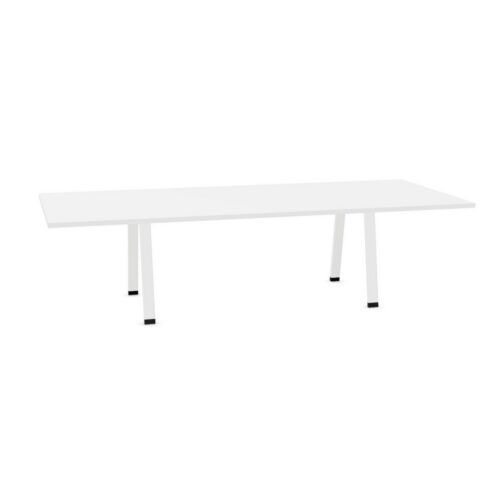


Locating Chairs Around Conference Tables With Four-Leg Frames
Compare the legs with the places people will naturally pull up a chair. Pay particular attention where a seating position falls near a leg, since a small change in alignment can affect how someone approaches the table. Assess the actual arrangement rather than relying on a general expectation of four-leg furniture.
Use the intended chairs when possible. Consider how they move inward, pull back and turn. A chair that looks neatly positioned in an empty room may need a different location during use. Let those movements inform the seating plan before deciding where other room furniture belongs.
Checking the Ends as Part of Everyday Use
End seating deserves attention even if it is used less often than the sides. Look at how someone reaches the seat, positions their feet and stands up afterward. The relationship between the legs and the end of the tabletop can influence these actions, so it should be assessed directly.
Think about whether end positions have a particular role in your meetings. A facilitator may need easy access to a screen or whiteboard, while a participant joining briefly may value a straightforward route from the door. Match the intended use to the practical position instead of assigning seats by appearance alone.
