





Looking Beneath Conference Tables With Column Frames
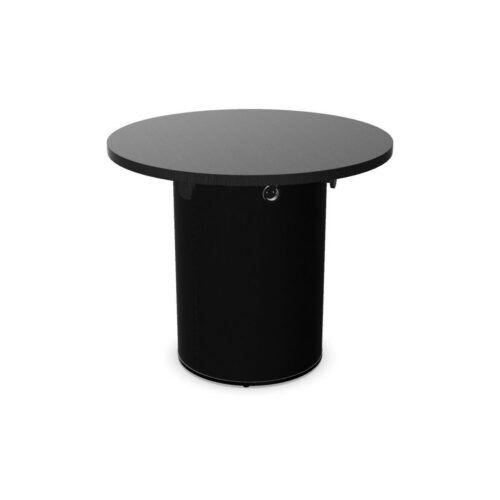
Review the whole support arrangement, including the areas where columns meet their bases. The column itself is only part of what occupies the space beneath the tabletop. Compare those positions with the places participants would naturally put their feet, especially when sitting back or turning during a meeting.
Do not assume that every seat will have the same relationship with the frame. A position aligned with a support may feel different from one between supports. Assess the intended seating arrangement directly and identify which locations suit regular use before organizing the rest of the room around it.
Arranging Chairs for Discussion and Presentation
For discussion, begin with the way colleagues face one another. Place chairs where participants can join the conversation without the frame dictating an awkward position. Then check whether people can pull their chairs back and stand up naturally. These everyday actions provide a more useful assessment than a view of empty seating.
If the room also serves presentations, consider how people turn toward the screen. Their feet and chairs may shift as their attention changes. Review that movement in relation to the supports, and keep the route between the table and presentation area clear for anyone leading the session.
