


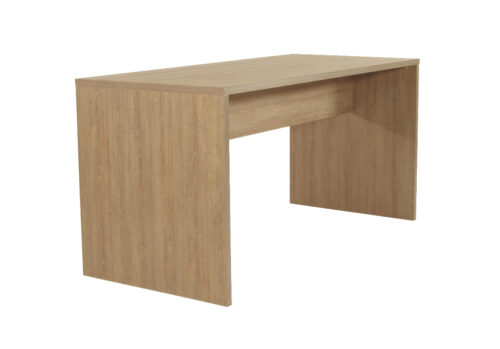
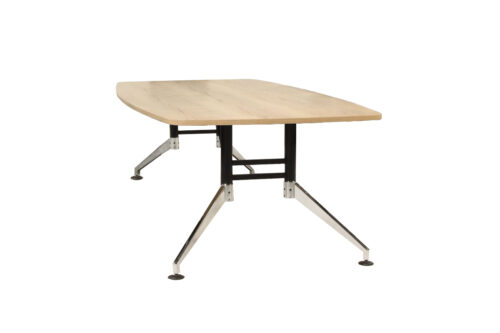
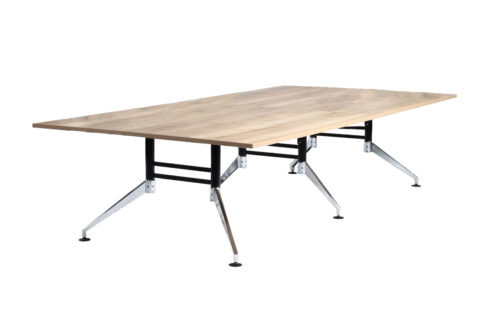
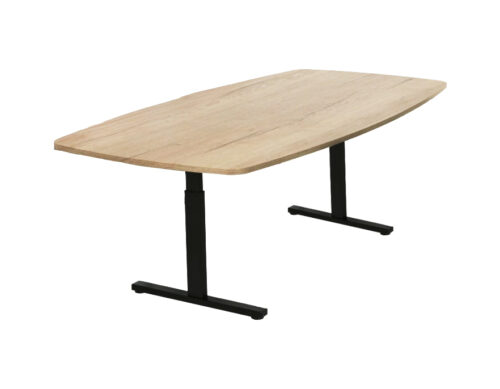
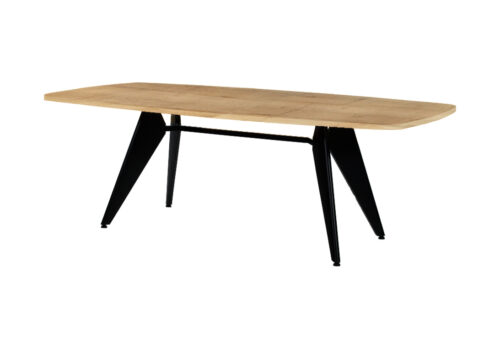
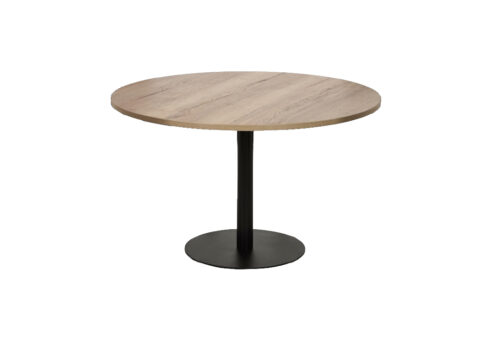
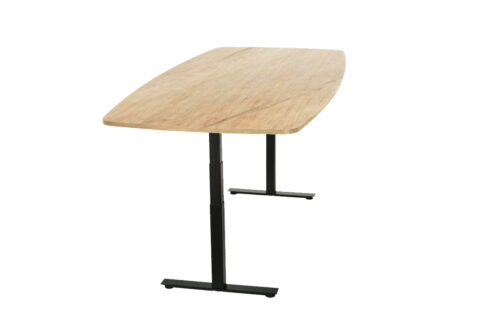
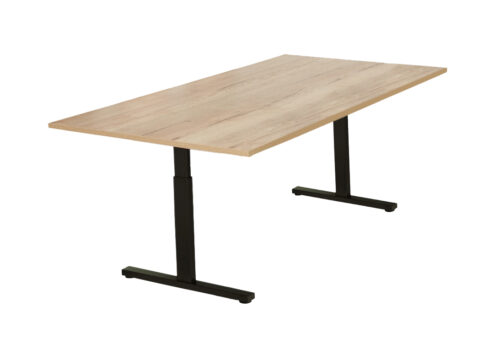
Coordinating non-stackable conference tables with oak surfaces
Begin with the furniture that will remain closest to the table. Chairs, adjacent storage and other work surfaces provide more useful comparison points than an isolated color name. Oak-colored finishes can differ in appearance, so assess the actual relationship instead of assuming that matching descriptions will create a match. Non-stackable conference tables with oak surfaces may remain visible between meetings, making this coordination relevant beyond the time people spend seated. Decide whether the table should continue an existing color theme or introduce a distinct meeting setting, then judge the surrounding furniture against that intention in the room itself.
Choose a home position before planning changes
Give the table an everyday location that supports the room's main activity. Consider views toward a presentation area, movement from the entrance and access to shared storage. Then test whether the room can handle its secondary activities with the table still present. Non-stackability becomes especially relevant when a plan assumes tables can be cleared away quickly into a compact group. Instead, account for each table individually. A useful home position allows recurring meetings to proceed naturally while making occasional changes understandable to the people responsible for preparing the room and returning it to its usual arrangement afterward.
