

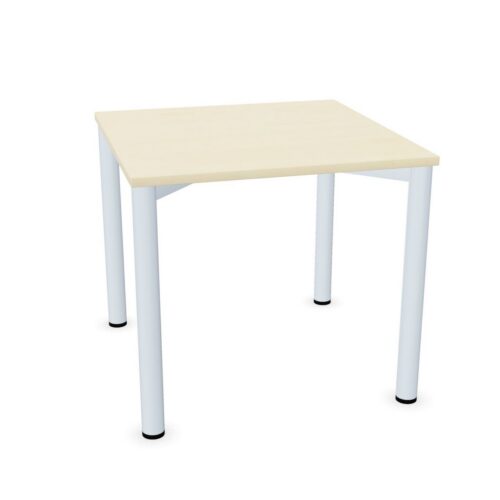
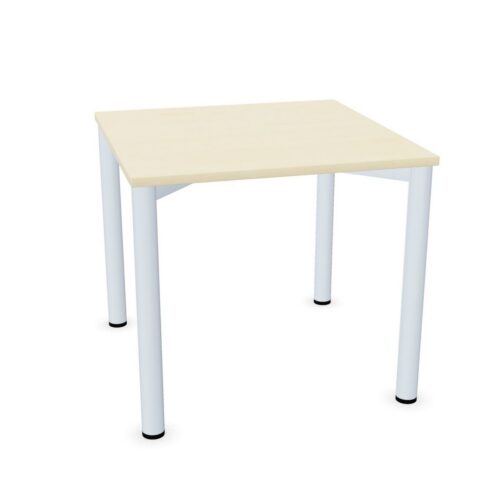
Round Leaf Conference Tables With Grey Bases

Conference tables with round leaf tops and grey bases combine a distinctive tabletop outline with a neutral base color. This pairing gives room planners separate decisions to make about how the table supports conversation and how its lower structure relates to the interior. Consider the round leaf shape in relation to seating positions, shared documents, and the route toward a presentation wall. The gray base can then be assessed alongside flooring, chair frames, and other visible furniture.

Start with the meeting routine rather than the color scheme. A room used for discussion needs different seating relationships from one organized around a screen. Round leaf tables with gray bases can be considered for either setting, but the arrangement deserves careful attention. Check the complete tabletop outline and actual base position, then judge the color under the room’s lighting. A neutral base still needs to work with the surrounding finishes.

10 models
From €6.68 p/m
3 models
From €10.00 p/m
5 models
From €12.69 p/m
24 models
From €23.43 p/m
3 models
From €19.31 p/m
4 models
From €25.07 p/m
2 models
From €25.60 p/m
4 models
From €25.60 p/m
5 models
From €28.58 p/m
5 models
From €88.04 p/m
6 models
From €89.65 p/m
31 models
From €8.94 p/m
9 models
From €4.37 p/m
20 models
From €9.47 p/m
5 models
From €13.30 p/m
4 models
From €27.94 p/m
3 models
From €21.20 p/m
12 models
From €95.03 p/m
12 models
From €59.30 p/m

Planning Conference Tables With Round Leaf Tops and Grey Bases

Begin by deciding where attention moves during a typical meeting. Participants may alternate between colleagues, printed material, and a display, so arrange chairs with those changes in mind. Use the round leaf outline to explore seating positions without assuming that every position offers the same view. Keep the entrance route separate from the places where chairs move back. The gray base provides a neutral visual reference, but it does not resolve circulation or visibility. Those depend on the complete table form, the chairs, and their relationship to doors and presentation surfaces.

Coordinate Gray With Existing Room Finishes

Assess the base color against the finishes already occupying the lower part of the room. Flooring, chair legs, storage fronts, and skirting can all affect whether gray reads as a quiet continuation or a visible contrast. Similar colors do not have to match exactly, although an unintended near match can make a room feel less considered. View available color references together in the intended lighting. For round leaf tables with gray bases, this helps establish a coherent relationship between the distinctive top shape and the room's more neutral background elements before introducing further decorative accents.

Keep Chair Movement Separate From Through Routes

Conference tables with round leaf tops and grey bases need a seating plan that accounts for both occupied and empty chairs. Imagine someone arriving after the meeting has started, another person moving toward a board, and a participant leaving their place. Their routes should remain understandable without requiring others to repeatedly rearrange their chairs. Check where the actual base sits beneath the tabletop, because base color gives no information about legroom. Also consider where bags will go. A clear floor plan depends on everyday belongings as much as on the furniture shown in an initial room arrangement.

Compare the Arrangement From Several Viewpoints

Review the table from the doorway, the presentation position, and the seats people will use. A plan that looks balanced from above may feel different once chairs obscure parts of the base. Consider whether the gray should blend into its surroundings or remain visibly distinct from them. Then return to practical matters: access to shared papers, comfortable conversation angles, and a clear route to the exit. Compare round leaf conference tables with gray bases on these observable relationships. A coordinated appearance is most useful when it supports a room that remains straightforward to use throughout a meeting.

Questions About Round Leaf Tables and Gray Bases

Does a gray base suit every interior?

Gray is a useful neutral starting point, but its appearance depends on neighboring colors and room lighting. Compare it directly with flooring and seating rather than assuming that all neutral finishes will coordinate automatically.

Can the base color indicate legroom?

No. Color describes appearance only. Check the position and form of the actual base against the proposed chair arrangement, especially where participants are likely to sit close to changes in the tabletop outline.

What should guide the final room arrangement?

For conference tables with round leaf tops and grey bases, prioritize conversation, presentation views, and movement around occupied chairs. Use the gray color to coordinate the interior after those practical relationships have been resolved.

Explore related selections