

Gray Bases Beneath Oval Conference Tops

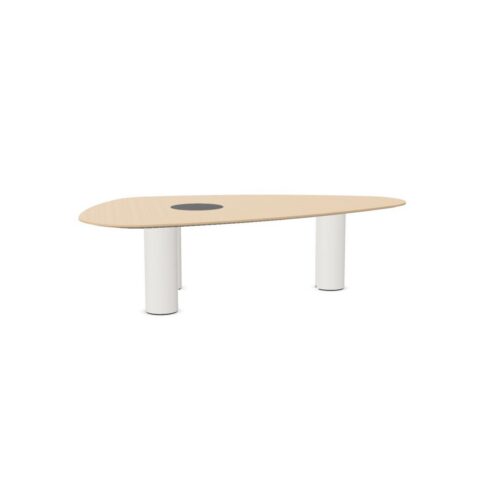
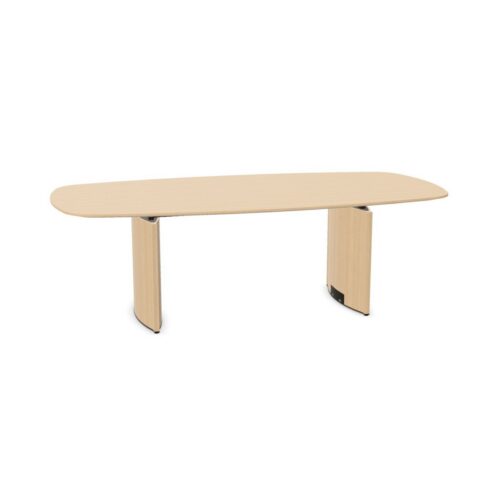
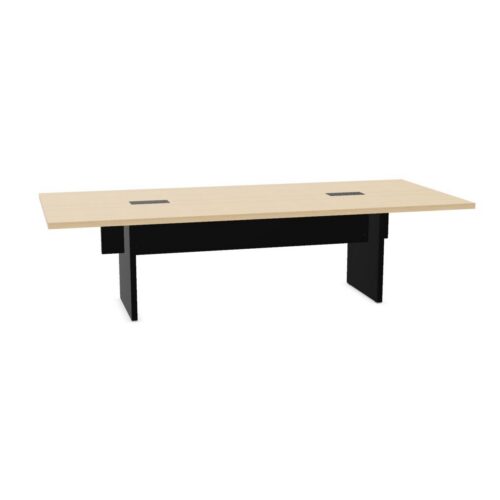
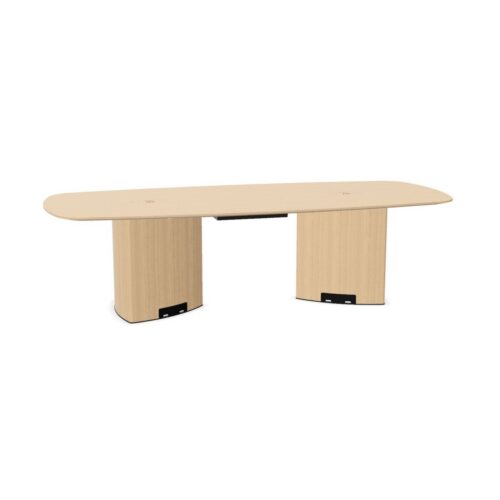
Conference tables with oval tops and grey bases combine a curved tabletop with a neutral base color. This pairing calls for attention to both the arrangement of participants and the relationship between neighboring shades. Gray can connect with existing furniture or flooring, but the result depends on the particular colors present. Consider the base within the whole room rather than assuming that neutral elements will automatically coordinate.

The oval outline offers positions along the sides and around the ends, each with a different relationship to the conversation and any presentation wall. Establish those positions before concentrating on visual alignment. Then review the gray base against the floor and the chairs that will surround it. A practical decision brings together the curved seating arrangement, the actual location of the supports, and the routes needed for people to enter, settle, and move during meetings.

9 models
From €22.04 p/m
8 models
From €12.16 p/m
8 models
From €30.83 p/m
7 models
From €21.96 p/m
30 models
From €16.42 p/m
5 models
From €25.05 p/m
2 models
From €92.11 p/m
2 models
From €147.37 p/m
13 models
From €8.10 p/m
2 models
From €34.54 p/m
€96.44 p/m

Assessing conference tables with oval tops and grey bases

Use the room's existing furniture as the starting point for comparison. A gray base might sit alongside similar chair frames, contrast with a darker floor, or form a separate neutral element beneath the tabletop. Consider which of these relationships feels intentional in the setting. Closely related gray shades can still differ noticeably when placed together, so judge them under the lighting normally used for meetings. Review both seated and standing viewpoints. The base may be partially hidden by chairs during use, changing how strongly its color contributes to the overall appearance compared with an empty room arrangement.

Give each seating position a clear purpose

Work through the activities the room needs to support. A planning discussion may involve participants looking across the table, while a presentation directs their attention elsewhere. Arrange chairs around the oval with those differences in mind. End positions should be assessed for the direction they face and their relationship to adjacent seats. Do not assume that a visually even distribution is automatically useful for the meeting. Consider where a facilitator needs to sit or stand, where shared documents will be placed, and how participants can move between the table and a writing surface without disrupting the group.

Review movement beside the curved ends

The end of a table can lie close to a doorway, storage area, or route through the room. Check those relationships while planning conference tables with oval tops and grey bases. A curved edge changes the boundary of the tabletop, but occupied chairs still extend into the surrounding space. Trace the route behind those chairs and consider what happens when someone stands up. Look at cabinet doors and other furniture that may need access during a meeting. Resolve any competing activities through the furniture arrangement, rather than relying on participants to move their chairs whenever someone needs to pass.

Inspect supports independently of appearance

The selected gray color tells you how the base is described visually, not how it is arranged beneath the top. Review the actual support positions before finalizing chairs around the oval. Pay attention to where participants will place their feet and how they will approach their seats. This matters particularly where chairs change angle around the ends. Once the functional arrangement is established, step back and assess the relationship between the base, chair frames, and floor. That sequence keeps visual coordination connected to a layout people can use naturally through different stages of an ordinary working meeting.

Questions about gray bases with oval tops

Will different gray furnishings always coordinate?

No. Compare the particular shades together in the room. Decide whether their relationship looks deliberate, especially where chair frames and the table base appear close together.

Should the oval follow the room's central axis?

That can be a useful starting point, but doors, shared displays, storage access, and chair movement may suggest a different position or orientation.

What is the most useful comparison sequence?

For conference tables with oval tops and grey bases, assess seating and circulation first, examine the supports next, and then compare the base color with existing furnishings.

Explore related selections