

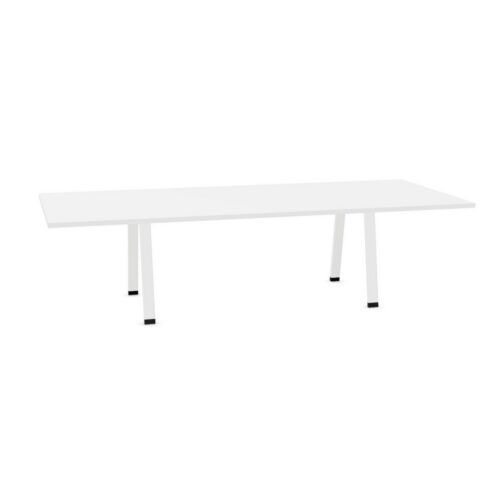
Gray Bases Beneath Rectangular Conference Tops

Conference tables with rectangular tops and grey bases bring a straight-sided meeting layout together with a gray support color that can be coordinated with surrounding furniture. The shape gives the room a clear orientation, making it useful to compare discussion across the table with presentations directed toward an end. The base color is a separate consideration: assess its relationship with the floor, chairs and storage rather than treating gray as an automatic match.

Start by identifying the room’s main activity and the routes people use to reach it. Position the tabletop so that occupied chairs do not interrupt access to doors or shared equipment. Then look beneath the surface to assess the actual support placement. A rectangular top does not establish where the base meets the floor or how chairs fit around it. Review those details alongside the gray color to make the overall arrangement coherent.

2 models
From €18.78 p/m
11 models
From €21.26 p/m
10 models
From €16.65 p/m
9 models
From €22.04 p/m
3 models
From €20.05 p/m
2 models
From €28.04 p/m
€31.41 p/m
€11.34 p/m
2 models
From €19.95 p/m
2 models
From €10.48 p/m
2 models
From €54.73 p/m

Coordinating Conference Tables With Rectangular Tops and Grey Bases

Gray can connect with several elements in a meeting room, but the relationship depends on the particular colors present. Compare the base with the floor first, since these surfaces are seen close together. Then look at chair frames and storage from the entrance. You may prefer a close visual relationship or a noticeable difference between them. Neither approach requires every component to share the same color. Keep the rectangular tabletop in that assessment: its outline organizes the furniture above the base, while the gray below can repeat an existing room color. Assess the whole arrangement under the lighting normally used for meetings.

Orienting the Rectangle Around Shared Attention

A rectangular table offers a clear direction, so decide what deserves attention along that direction. If meetings revolve around a display, check the view from chairs on the sides as well as the ends. If discussion is the main purpose, consider whether participants can address each other without constantly turning. Avoid choosing the orientation solely because it follows a wall. Door positions and the placement of shared equipment may suggest a different arrangement. Draw the chairs into the plan before settling the table position, and include the space they occupy while people are seated. This makes circulation part of the initial decision.

Separating Color Decisions From Support Placement

Gray-base rectangular meeting tables should be assessed for their physical arrangement as carefully as their appearance. Base color does not tell you where supports sit beneath the surface. Check whether the chairs can approach their intended positions and whether the ends are comfortable places to use when included in your plan. Pay attention to how people enter and leave their chairs, especially near corners facing an entrance. These checks also help compare arrangements that look similar from above. A pleasing color relationship with the floor is useful, but it should accompany a layout that works for the people using the room.

Keeping the Surrounding Palette Deliberate

Once the base has a clear relationship with the room, decide where other colors belong. A chair color, wall treatment or storage finish may provide enough variation without introducing another competing element near the table. Rectangular conference tables with gray bases can sit within either a restrained palette or a more varied one; the choice depends on the surrounding design. Consider which elements people see while seated and which are visible only on arrival. This avoids giving equal visual emphasis to everything. Keep the discussion surface and presentation area easy to read as separate parts of the room, with furniture placement supporting that distinction.

Assess conference tables with rectangular tops and grey bases alongside circulation and the meeting's main viewing direction.

For conference tables with rectangular tops and grey bases, map the intended seats before deciding how the table will sit within the room.

FAQ: Gray Supports in Rectangular Meeting Rooms

Will gray automatically match a gray floor?

No. Different grays can look distinct beside each other, particularly under changing room lighting. Assess them together and decide if you want a close relationship or an intentional contrast.

Can the table sit away from the room's central line?

Yes, if that supports access or viewing. Test the position with occupied chairs in mind, checking movement around the corners and the routes between the entrance and shared equipment.

What should be compared before choosing chairs?

For rectangular conference tables with gray bases, compare chair appearance and physical access separately. Check the relationship between colors, then confirm that the chair positions work with the actual supports beneath the top.

Explore related selections