












Conference Tables With Round Tops and Red Bases
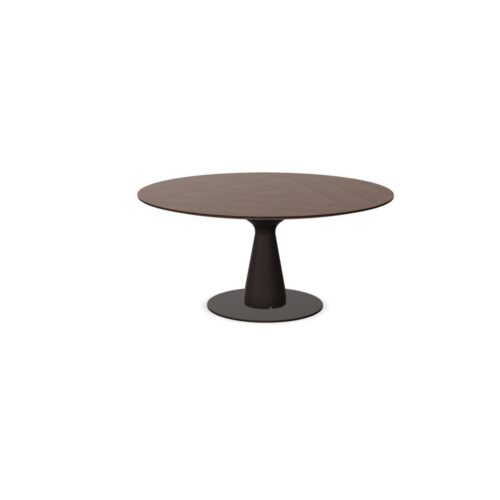
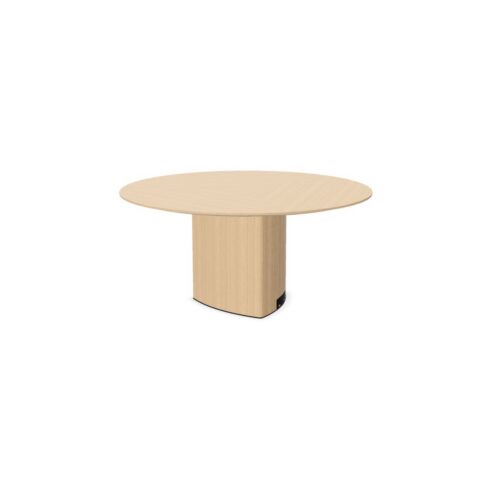
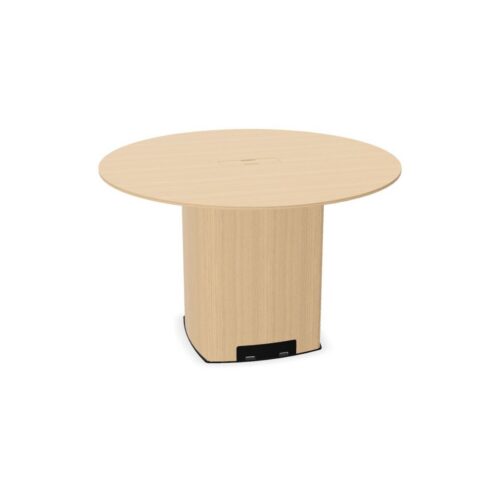
The relationship between shape and color is especially useful when planning a room around discussion. A round top creates a continuous perimeter, while a red base gives the setting a recognizable accent below the working surface. Decide which element should lead the room visually. If discussion is the priority, keep the immediate surroundings easy to read so the base does not compete with presentation content or wall displays. If the room needs a clear identity within a shared workplace, consider where the red will remain visible once chairs are arranged and people are seated.
Make Room for Arrivals and Departures
Plan movement around occupied chairs, rather than judging the layout with every chair pushed toward the table. Participants need to approach their seats, pull back, and leave without interrupting the whole group. The curved edge offers different approach angles, but circulation still depends on the surrounding room. Pay particular attention to the route between the entrance and seating beyond the table. Keep that route separate from any place where colleagues stop to speak outside the meeting. Check access to storage and presentation areas with the intended chair arrangement in place.
Give Red a Clear Visual Role
With conference tables with round tops and red bases, color coordination can be selective. A room does not need red chairs or red walls to make the base feel intentional. Compare a restrained surrounding palette with a scheme that repeats red in a small detail, then consider which approach supports the room's purpose. Look at the base against the floor, because this is often the closest color relationship. Avoid assuming that every red tone will relate equally well to existing finishes. Assess the actual appearance under the lighting used during meetings.
