

Brown Bases Under Round Conference Surfaces

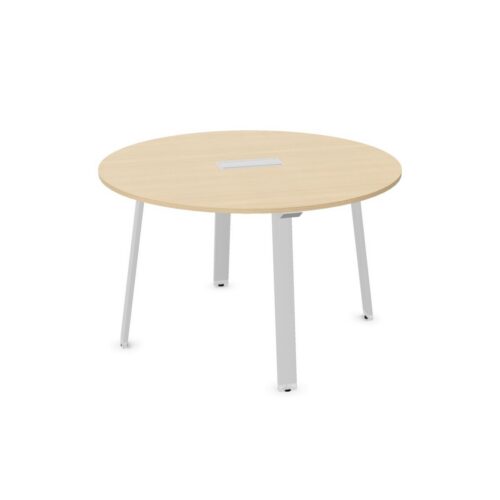
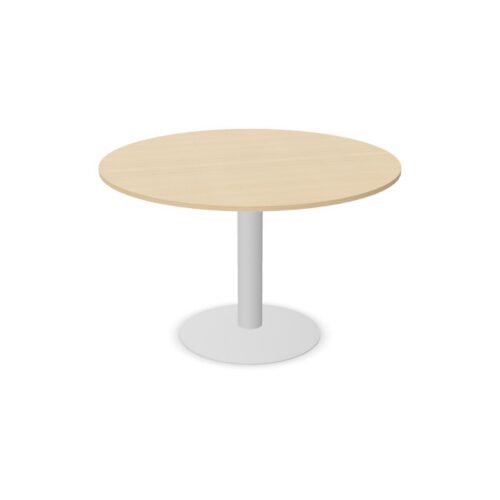
Conference tables with round tops and brown bases bring a circular discussion format together with an earthy color reference. Brown describes the base color; it does not establish its material, texture, or finish. That distinction matters when coordinating a meeting room, because appearance should be assessed against the actual floor and surrounding furniture. The round top has a separate practical role, creating a seating perimeter without an obvious end position.

Consider this combination where the room needs to support face-to-face conversation within an existing interior scheme. Review the brown base alongside nearby tones, then check the layout with chairs in use. A coordinated palette cannot compensate for an obstructed entrance or an inconvenient presentation position. Plan access around the curved edge, keep routes to room facilities clear, and decide whether the arrangement should primarily face the group or respond to a screen elsewhere in the room.

€9.29 p/m
€9.94 p/m
2 models
From €9.51 p/m
2 models
From €10.48 p/m
4 models
From €7.81 p/m
2 models
From €8.94 p/m
4 models
From €9.16 p/m
€10.50 p/m
2 models
From €17.92 p/m
3 models
From €25.22 p/m
11 models
From €15.25 p/m
4 models
From €23.04 p/m
5 models
From €16.03 p/m
9 models
From €14.80 p/m
8 models
From €12.16 p/m
30 models
From €16.42 p/m
6 models
From €11.54 p/m
3 models
From €7.87 p/m
2 models
From €20.85 p/m
€13.94 p/m
3 models
From €11.83 p/m

Place Brown Within the Existing Palette

Begin with the colors already occupying the lower part of the room: flooring, chair frames, and nearby storage. The brown base will be viewed against these elements more often than against a wall seen above the tabletop. Decide whether it should blend with adjacent tones or provide a distinction. Similar color names do not guarantee a close match, so compare actual appearances wherever possible. Keep material assumptions separate from the color decision. A brown base does not, by itself, tell you whether its surface has grain, texture, or any particular construction.

Organize Conversation Around the Curve

The round top offers no obvious head position, which can be helpful when the purpose of the room is shared discussion. Place chairs according to how participants need to see and address one another. Leave practical places for personal notes and any documents used by the group. Review the arrangement with occupied seats in mind, including how someone would leave while others remain seated. The continuous curve changes the relationship between neighboring positions, but it does not determine the table's suitability for every meeting. The intended activity remains the starting point.

Allow the Room to Change Its Focus

Round conference tables with brown bases can be considered for rooms that alternate between conversation and screen-led sessions. Locate the display and examine the intended viewing position of each chair. Some seats may support direct conversation but require turning for presentations. Consider how frequently that change of focus occurs and whether it suits the meeting pattern. Keep access to the display area separate from the route behind occupied chairs where possible. Before settling the room plan, walk through a session that includes arrivals, shared discussion, presentation content, and departure.

Conference Tables With Round Tops and Brown Bases

When considering conference tables with round tops and brown bases, bring the visual and functional reviews together. A layout that shows the brown clearly from the doorway may also expose a difficult route to seating beyond the table. Conversely, the most practical chair arrangement may conceal much of the base. Neither observation settles the decision alone. Assess whether the room reads coherently when ready for use and whether participants can move naturally around it. The combination should make sense as an occupied meeting setting, as well as an arrangement viewed from the entrance.

Questions About Brown-Base Round Conference Tables

Does a brown base mean a wood base?

No. The selected property identifies a color only. Do not infer material, grain, texture, or construction from brown. Coordinate the room using the actual appearance of the base and assess any other characteristics separately.

Can brown work in a room with dark flooring?

It may blend with the floor or remain distinct, depending on the tones involved and the lighting. Review whether that relationship gives the table the intended visual presence, including when chairs partially cover the base.

Where should the meeting leader sit?

Choose a position according to the session. A facilitator may need a clear relationship with the display, writing wall, or entrance. The round shape provides no designated head, so the room's activities should guide that choice.

Assess conference tables with round tops and brown bases alongside circulation and the meeting's main viewing direction.

Explore related selections