

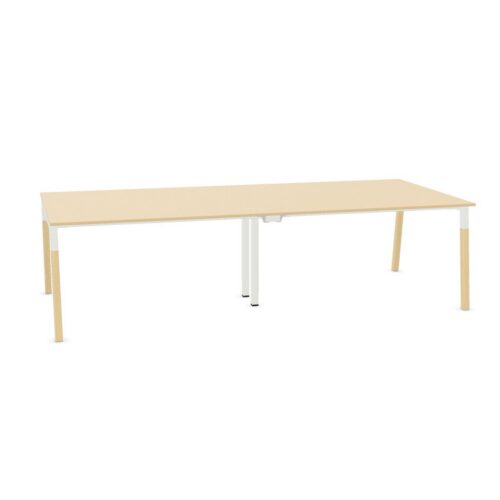
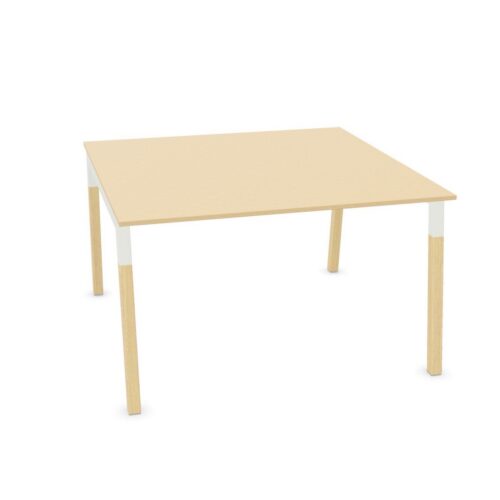
Transparent Bases Beneath Round Conference Tables

Conference tables with round tops and transparent bases pair a circular working surface with transparency beneath it. This combination needs a room-planning approach that distinguishes visual appearance from physical space. A transparent base still occupies space, and the round top still needs a suitable arrangement of chairs and approach routes. Neither property establishes the base material, its support arrangement, or the amount of clear space available to seated participants.

Review the table against the floor and surrounding furniture, since those elements form part of the visual context around a transparent base. Then assess practical use independently: where chairs go, how people reach them, and what participants need to face. A round outline provides no designated head position, but a presentation wall can give the room a clear direction. Consider the setting from standing and seated viewpoints before deciding how the combination should relate to its surroundings.

9 models
From €14.80 p/m
10 models
From €29.42 p/m
4 models
From €29.79 p/m
2 models
From €11.07 p/m

Distinguish Visual Openness From Physical Clearance

A transparent base may be read differently from an opaque one, but its physical outline remains relevant to chair placement and legroom. Do not treat a visually open area as space that people or furniture can occupy. Examine the actual base arrangement separately from the effect of transparency. Check where chairs approach the top and whether participants can adopt useful working positions. The selected properties do not establish how the table is supported. Practical assessment needs to follow the real relationship between the round edge, the base, and the intended seats.

Conference Tables With Round Tops and Transparent Bases

The pairing brings particular attention to the room around the table. Flooring, chair frames, and nearby objects contribute to the background against which the base is viewed. When considering conference tables with round tops and transparent bases, review that setting from more than the entrance alone. A seated participant may have a different view from someone approaching across the room. Do not assume that transparency makes the base disappear. The useful question is how the actual appearance relates to the surrounding furniture while the table performs its intended role in meetings.

Give the Circular Layout a Clear Purpose

Use the round top to plan the participants' relationship with one another. A discussion can be arranged without a designated table end, while a presentation requires attention to a focal point outside the circle. Check those needs separately. Consider where personal notes will sit, where shared papers will be viewed, and how people turn toward a display. Transparency below the surface does not change those working requirements. Keep the room's main activity central to the decision, and avoid allowing the preferred visual effect of the base to determine inconvenient seating or presentation positions.

Review the Room With Chairs in Use

Round conference tables with transparent bases should be assessed as part of an occupied arrangement. Chairs can obscure parts of the base and introduce their own lines into the view beneath the tabletop. That is part of the normal setting, rather than an exception to plan around. Follow the route from the door to the intended seats and check movement behind participants. Include access to displays, storage, and writing areas used during meetings. Visual transparency does not establish physical clearance or accessibility; those depend on the actual furniture arrangement and the surrounding room.

Questions About Transparent-Base Round Conference Tables

What material is a transparent base made from?

Transparency alone does not identify the material or construction. It describes the selected appearance. Avoid inferring other characteristics, and assess the actual base separately for any requirements that go beyond the round top and transparent appearance.

Does transparency provide more space for chairs?

No additional physical space follows from transparency. Chair placement depends on the actual base arrangement and its relationship with the tabletop. Review practical clearance directly rather than using the visual impression beneath the surface as a guide.

Why does the floor matter to this combination?

The floor forms part of the visual background around and, where visible, through the base. Its color and pattern can influence the overall appearance. Review that relationship together with chairs and nearby furniture under normal meeting conditions.

Compare how conference tables with round tops and transparent bases relates to chair positions and shared views in the intended room.

Explore related selections