

Transparent Bases Beneath Rectangular Meeting Tables

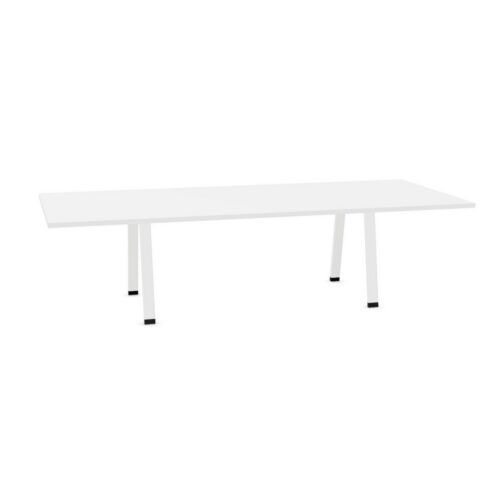
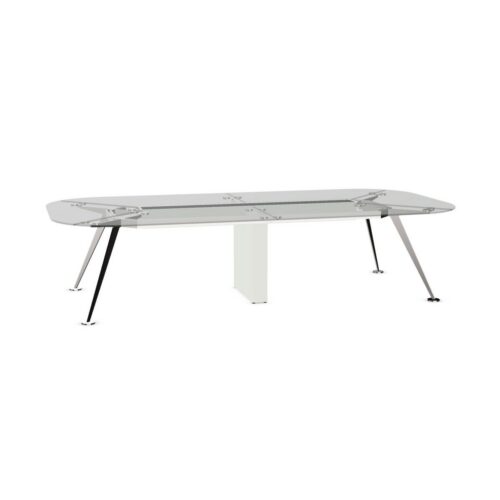
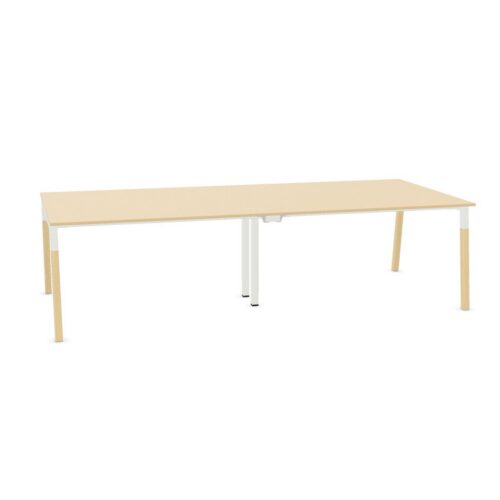
Conference tables with rectangular tops and transparent bases combine a defined tabletop outline with a transparent appearance beneath it. The straight edges establish the meeting surface clearly, while the base introduces a different visual relationship with the floor and surrounding chairs. That relationship deserves attention alongside the practical arrangement of the room.

Start by planning where people sit and how they approach those positions. A transparent appearance does not remove the physical supports, so inspect their placement when assessing chair movement and access. Also consider what remains visible beneath the top, including the floor and everyday belongings. The combination works best as a deliberate room-planning choice: the rectangular surface sets the direction of the meeting area, and the base appearance is assessed within the complete setting. Do not infer a particular material or construction from transparency alone.

3 models
From €20.05 p/m
2 models
From €28.04 p/m
€31.41 p/m
2 models
From €19.95 p/m
2 models
From €10.48 p/m
10 models
From €29.42 p/m
2 models
From €54.57 p/m
4 models
From €29.79 p/m
2 models
From €25.75 p/m
4 models
From €27.57 p/m
2 models
From €11.07 p/m

Assess Conference Tables With Rectangular Tops and Transparent Bases

Separate the visual impression from the physical arrangement. A transparent base can be less visually prominent against some surroundings, but its actual position still matters for legs, chairs, and movement. Look beneath the rectangular top before assigning seats along its sides or ends. Check the approach to each position rather than assuming that an unobtrusive appearance means unrestricted access. This is particularly relevant where someone enters beside the table or needs to move around an end. The useful starting point is the relationship between the tabletop perimeter, the supports, and the intended seating.

Include the Floor in the Composition

The appearance of the area beneath the table becomes part of the design discussion when the base is transparent. Review the floor pattern, changes in floor color, and the objects likely to sit beneath or beside chairs. Assess the actual view instead of relying on an empty-room impression. Bags and personal belongings can alter the composition during use. Consider where these items will normally go without introducing obstacles around seats. A considered floor-level arrangement helps the transparent appearance relate to daily workplace habits, rather than depending on a room remaining perfectly staged.

Use the Rectangular Outline to Direct Activity

When positioning conference tables with rectangular tops and transparent bases, let the meeting format establish the orientation. A display may suggest a clear direction, while a paper-based review may favor easy access from opposing sides. Check views from the proposed seats before committing to either arrangement. The transparency of the base does not change the rectangular top's corners or the need to move around them. Review turning points near entrances and storage, especially when chairs are occupied. Keep the visual assessment and the circulation assessment connected throughout the planning process.

Review the Room in Normal Conditions

Inspect the base against the surrounding floor and furniture under the lighting normally used in the room. Its visibility may depend on the background and viewpoint, so include both standing and seated observations. Avoid assuming a particular degree of clarity, reflectivity, or surface behavior. Those qualities require direct assessment. Look at the complete chair arrangement as well: an apparently open view when seats are tucked in may change during a meeting. Walk the usual route from the entrance to shared equipment and check that people can identify the table's physical boundary comfortably as they approach.

Frequently Asked Questions

Does transparent mean the base is glass?

No. Conference tables with rectangular tops and transparent bases are described here by shape and base appearance. Transparency alone does not establish a material.

Can I plan seats without checking the supports?

No. Inspect the support positions and their relationship with the intended chairs. Visual transparency does not describe the physical space available beneath the tabletop.

Why consider belongings beneath the table?

They form part of the everyday view and can affect access. Plan a sensible place for personal items while assessing the floor, chairs, and transparent base together.

Test rectangular tabletop shape alongside transparent base color from the doorway and occupied seats, checking discussion views and routes through the room.

Explore related selections